Japandi home ideas
Calm rooms start with one small fix
Practical Japandi home ideas for real rooms: layout, light, sound, entryways and bedrooms, explained step by step.
Latest guide
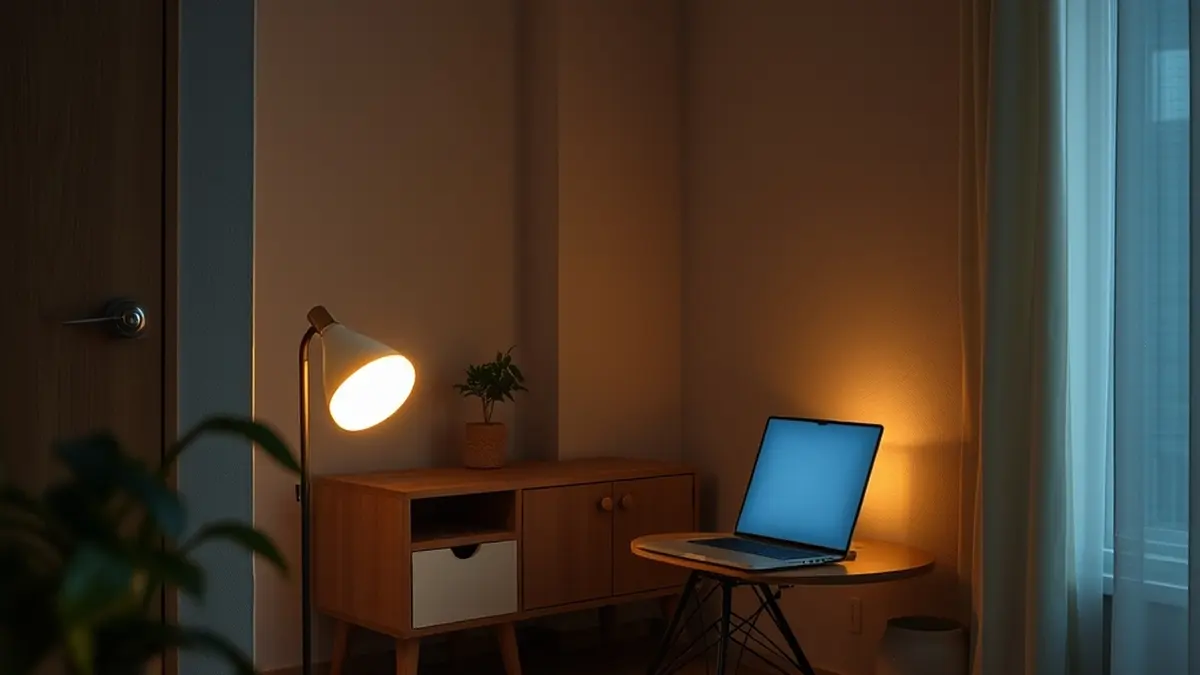
Work From Home in a Studio: A Desk Corner That Disappears at Night
In a studio, the desk is always visible from the bed. Choose a slim desk, a screen or a closing cabinet and a shutdown routine so the work corner can disappear.
More guides
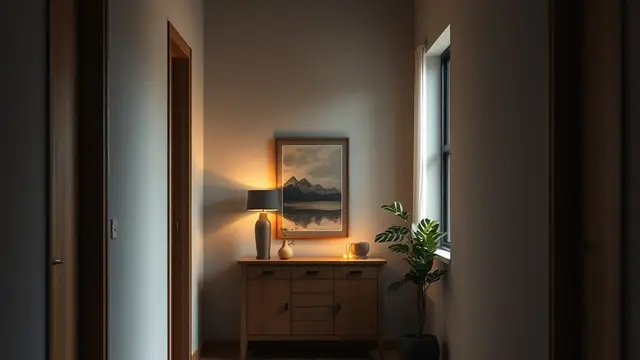
What Do You See From Your Front Door? The Three-Second Sightline Fix
The first three seconds inside your door set the mood of the whole home. Check the sightline, clear the first thing you see and give the eye one calm focus.
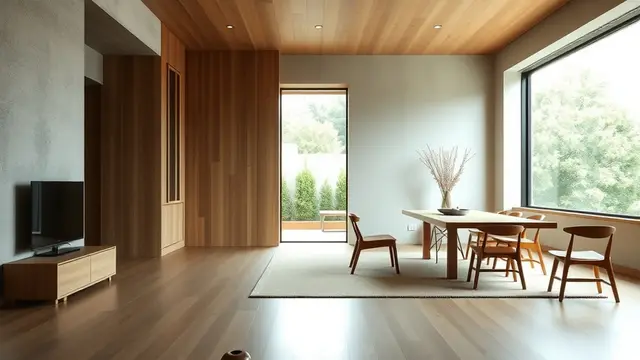
Wabi-Sabi Ceramics at Home: How to Choose and Display Only a Few
Handmade bowls and vases look cluttered when they are all out. Choose three honest pieces, give each room to breathe and use them daily.
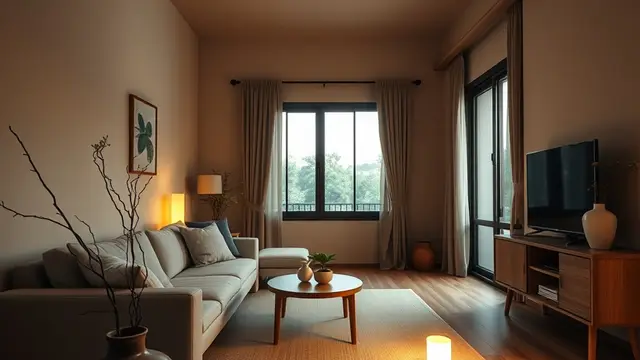
Floor Seating for Guests in a Small Room: A Tatami-Style Corner
No room for a sofa bed or extra chairs? A floor corner with a mat, two cushions and a low table seats guests and disappears when you do not need it.
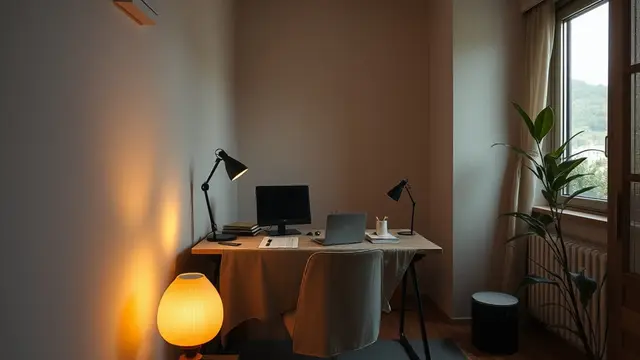
Your Bed Is the First Thing You See: Studio Fixes Without Walls
In a studio the bed is often the first thing you see from the door. Move the sightline, soften the edge and use one low divider instead of a wall.
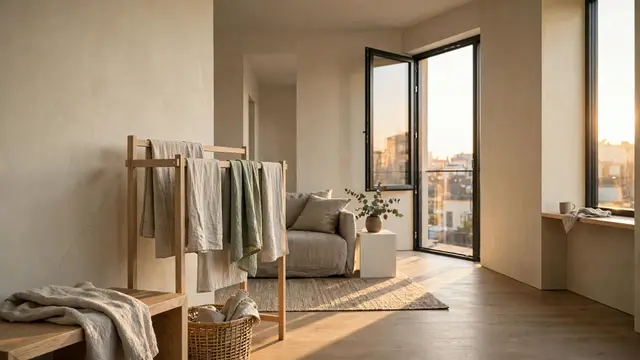
No Room for a Genkan? How to Build a Small Entry Zone in 60 cm
No hallway, no closet, shoes by the door. Build a small genkan-style zone from one mat, one bench and one shelf, using about 60 cm of wall.
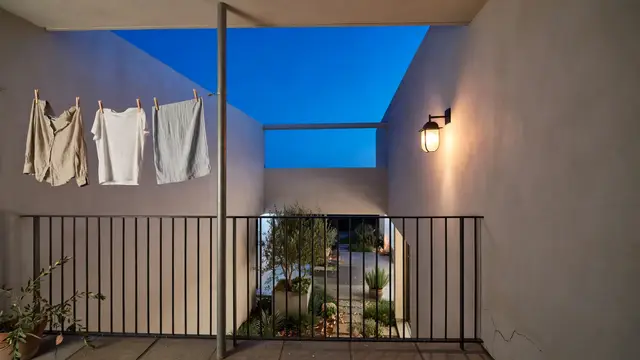
A Small Balcony Corner You Will Actually Sit In: Planter, Seat, Light
A narrow balcony works with one seat, one planter group and one warm light. Keep the floor clear and the corner low and you will use it.
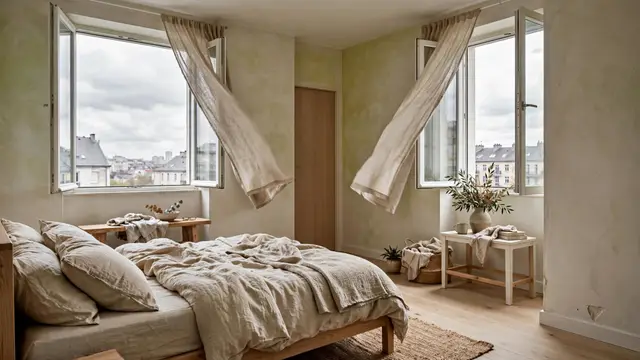
A Bedroom That Is Too Bright to Sleep In: Curtains, Bulb and Streetlight
Streetlight, a bright charger LED and a cool bulb keep a room awake. Block the light at the window, cover small LEDs and use a warm bedside lamp.
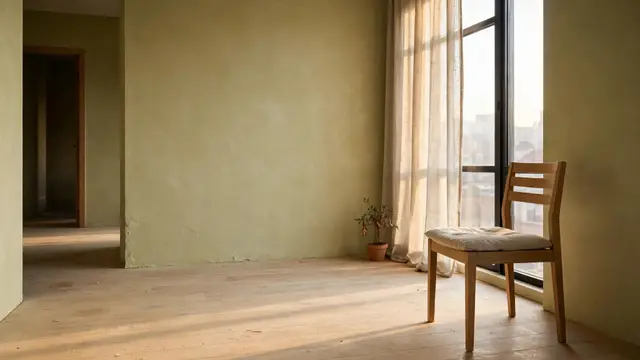
A Reading Corner That Gets Used: Chair, Lamp and Small Table
A reading chair no one sits in is usually missing a lamp or a place for a cup. Set the chair, lamp and table by distance, not by decor.
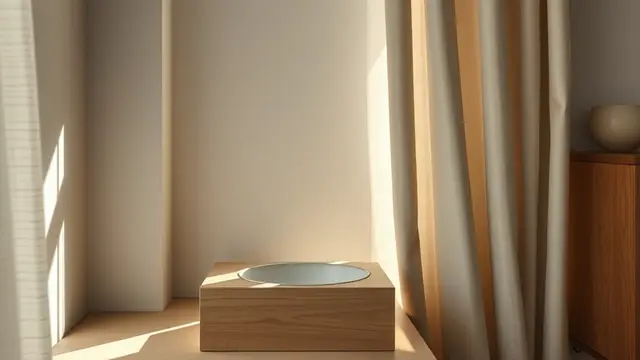
Your Kitchen Island Became a Dumping Ground: Three Rules to Keep It Clear
Mail, keys, school bags and fruit all land on the island. Give each its own home, keep one fixed object and set a nightly reset to keep it clear.
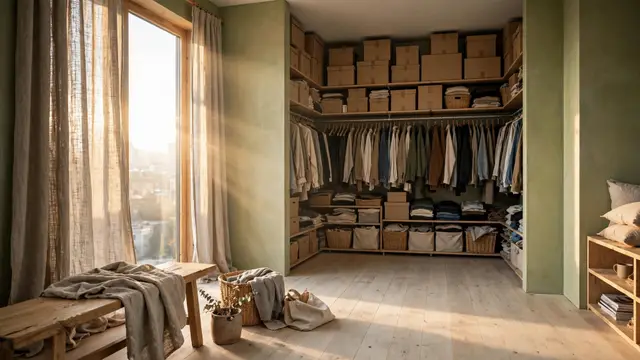
A Hallway That Feels Like a Tunnel: Light, Wall and One Quiet Object
A narrow hallway feels like a tunnel when the light is flat and the walls are bare. Add a warm low light, one texture and one object at the end.
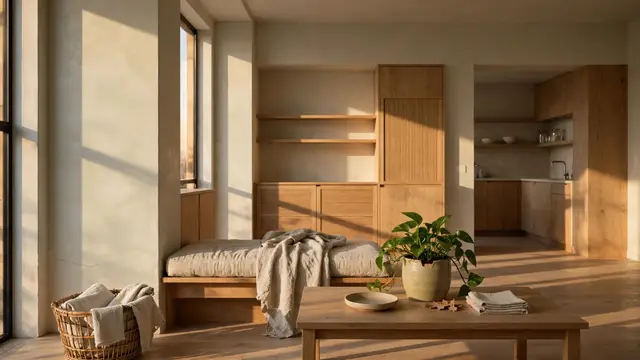
Guests in 30 Minutes: A 20-Minute Living Room Reset in the Right Order
Guests are coming and the living room is a mess. Reset it in 20 minutes: floor first, surfaces second, light last. Order matters more than effort.
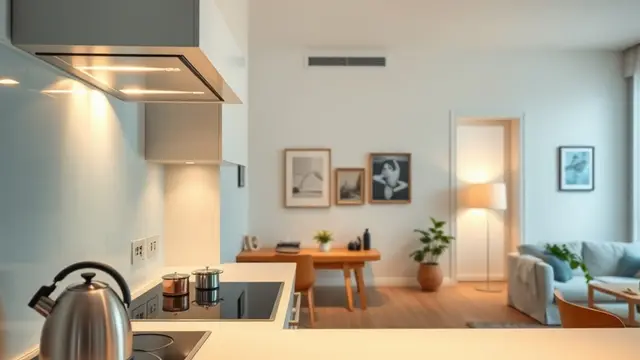
Dish Rack Always Full? Where Drying Dishes Go in a Small Kitchen
A full dish rack takes a quarter of a small counter. Use a smaller rack, a drying mat or an over-sink shelf and put dry dishes away in one move.
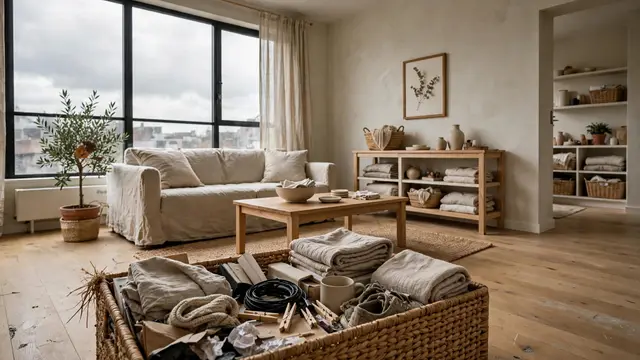
Your Dining Table Is Also a Desk: How to Keep Both Without the Mess
When the dining table becomes a desk, laptop and papers end up next to dinner. Use one tray, one reset and a two-minute handover instead of a second desk.
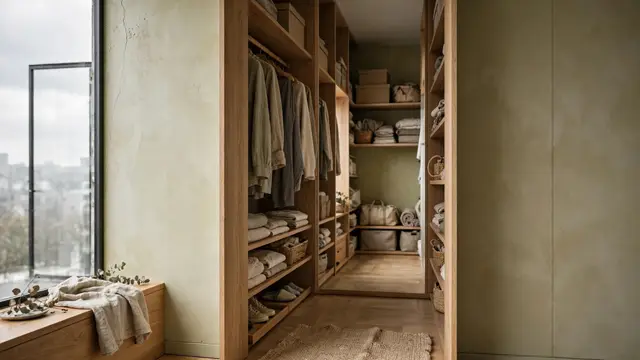
Cables and Chargers Everywhere? Build One Cable Bay at Your Desk
Chargers, adapters and cables multiply on a small desk. Use one box, one strip and a tray to keep cables in one place and the desk visible.
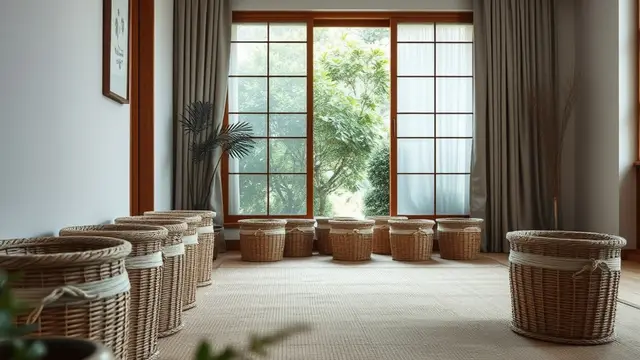
Blanket Basket Chaos: Where Winter Throws Live in the Living Room
Winter throws pile up on the sofa and chairs. Give every blanket one home within reach, limit the count to the people who sit and fold them the same way.
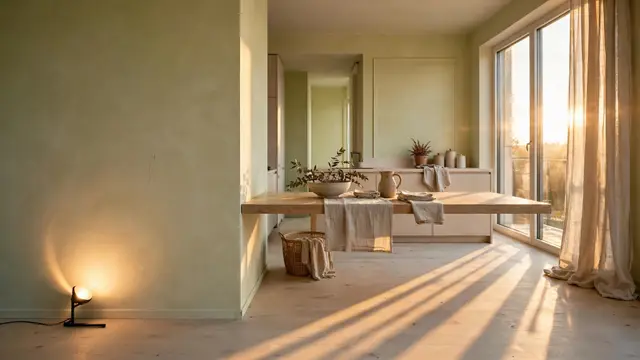
Squinting at Your Bedside Lamp? Fix the Height, Not the Bulb
A bedside lamp that is too high puts a bright bulb in your eyes. Set the shade at about shoulder height, aim light down and use a warm dim bulb.

Bathroom Light Too Harsh? A Calmer Vanity Without Rewiring
The bathroom mirror light that makes everyone look tired is usually cool, bare and overhead. Swap the bulb, add a side light and soften the glare.
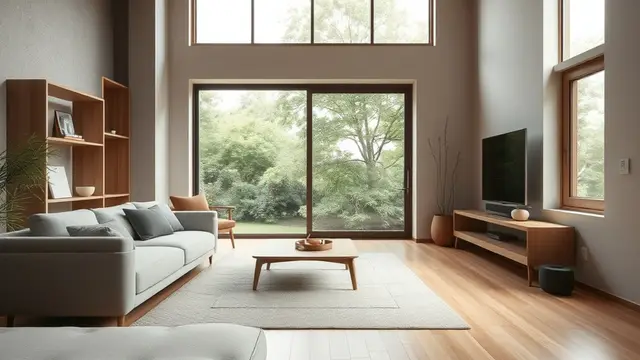
Where to Put the TV in a Calm Living Room Without Making It the Altar
A big black screen on the main wall pulls the whole room toward it. Lower it, give it a quiet frame and let the room face something else when it is off.
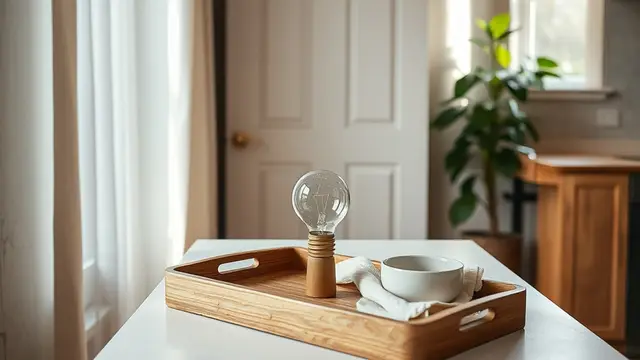
The Kitchen Drawer That Swallows Everything: Divide by Reach, Not Category
A kitchen drawer stays tidy when the things you use daily sit at the front and the rest at the back. Divide by how far you reach, not by neat categories.
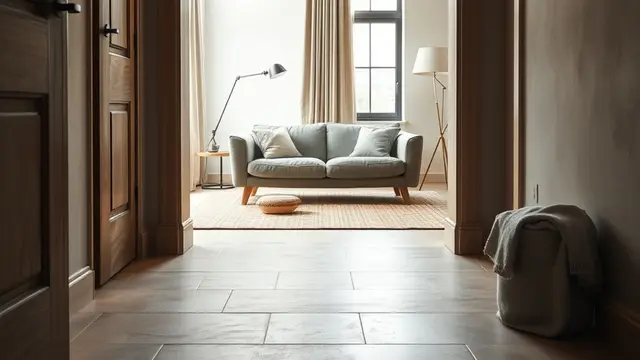
Shoes Everywhere: A Shoe Limit and a Wet Boot Tray for Winter
Shoes spill across the floor when the shelf holds fewer than the household owns. Set a shoe limit per person and add a tray for wet winter boots.
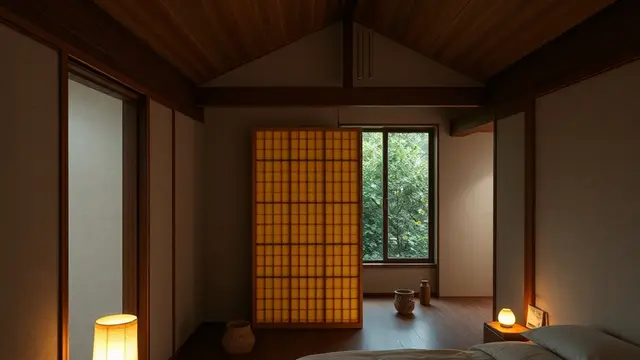
Low Winter Sun in Your Eyes? A Sheer and Curtain Fix That Keeps the Light
Winter sun sits low and shines straight into the room. Use a sheer for glare, a lined curtain for cold air and a rail set above the window to keep light.
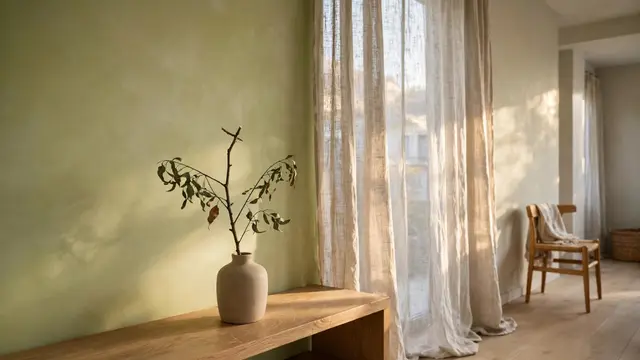
Pantry Chaos in a Small Kitchen: Decant Only What You Open Weekly
Decanting everything into jars wastes time and space. Decant only what you open weekly, keep the rest in its box and give the pantry a front row.
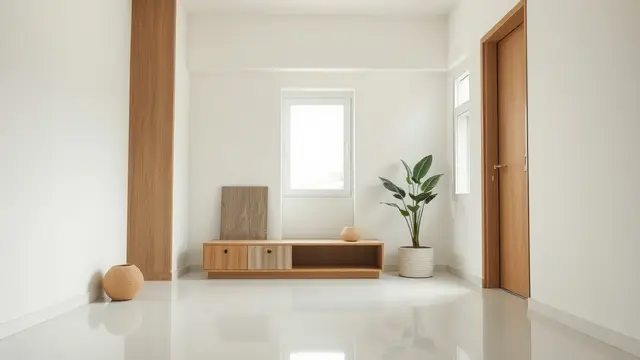
No-Drill Renter Fixes: What Actually Holds and What Falls Down
Renters can fix hooks, lamps and storage without drilling, but only if the method matches the weight and the wall. A short guide to what to use where.
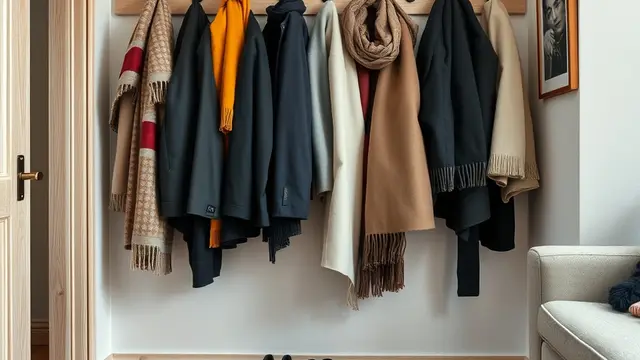
Winter Coats Crowding the Hooks: A Hook Count Rule for the Entryway
When winter coats pile up, the hooks look overloaded and the floor fills with bags. Set a hook count per person, a bench for the rest and a rotating coat rule.
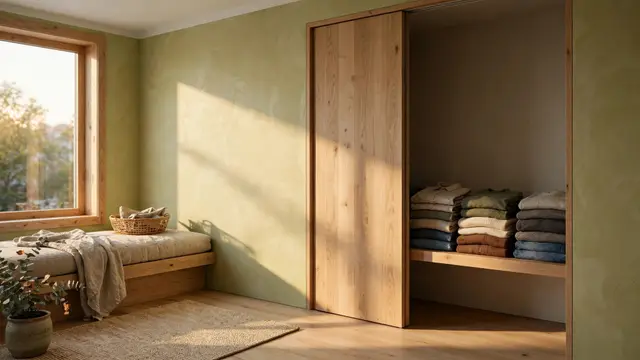
Bedroom Cold at Night? Layer the Bed, Not the Thermostat
A cold bedroom in winter often needs better layers, not more heat. Build the bed in three layers, close the draft at the floor and use a rug under the bed.
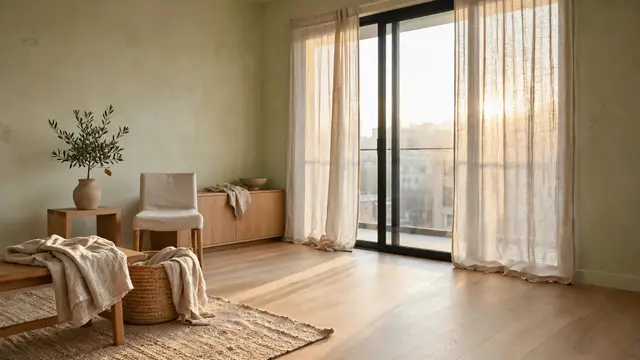
Kettle, Toaster, Coffee Maker: The One-Appliance-Out Rule for a Small Kitchen
Appliances eat small kitchen counters. Keep one out, store the rest at the edge of reach, and match each appliance to how often you use it.
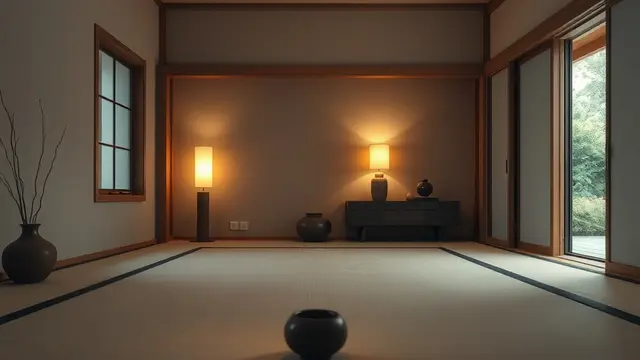
Clocks Went Back: Why Your Home Feels Dark at 5 pm and What to Change
When the clocks go back, evenings arrive before you are ready. Set up three low lamps, warm bulbs and one switch routine so the room is ready at dusk.
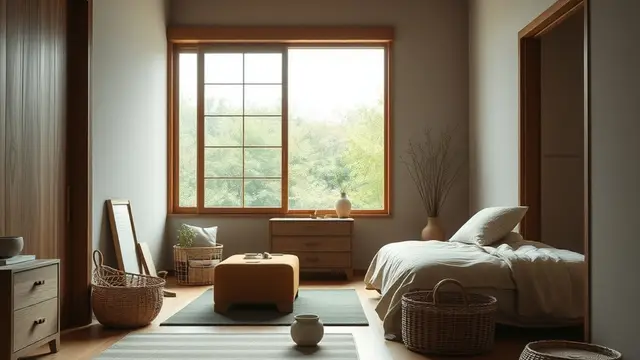
Why Traditional Japanese Homes Had No Bedroom (and the Three Rules Worth Copying)
In a traditional Japanese home the bed had a time, not a place. Here is what that really meant, an honest note on the history, and three rules for a bedroom that stops working like an office.
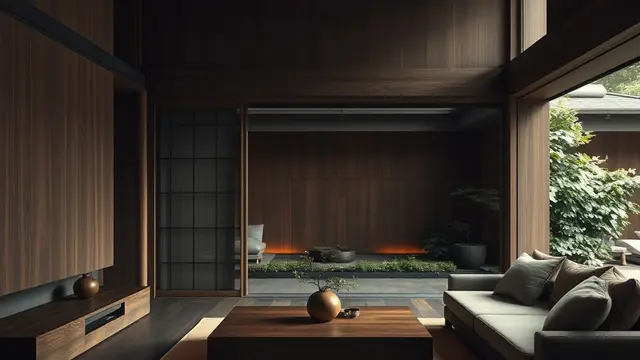
Choose Materials by Touch: Five Surfaces Your Hands Meet Every Day
A home can look clean in photos and still feel cold to live in. Five touch points to check, which materials to swap and a two-or-three-textures rule for each room.
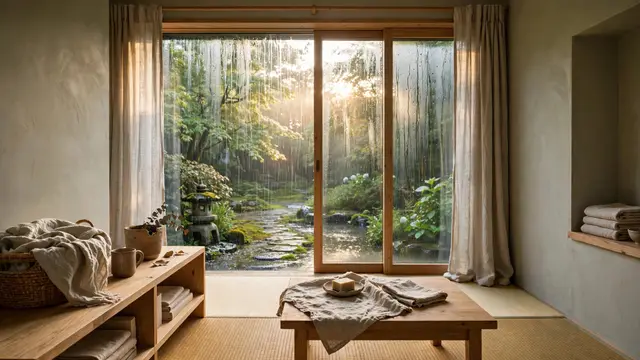
A Slow Evening Corner: One Lamp, One Cup and a Floor You Can Sit On
The ceiling light has one setting, so the room stays in work mode until bedtime. Build a small tatami-style corner with one low lamp, a floor seat and one rule for the evening.
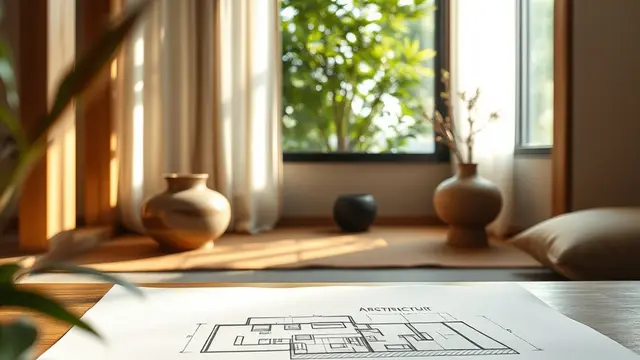
Six Rules for a Calm Rental: What to Do First, Second and Third This Weekend
Shoes by the sofa, a laptop on the bed, a TV that creeps louder. Six physical rules, one weekend order of work, and everything works in a rental with a mat, a tray, a lamp and a curtain.
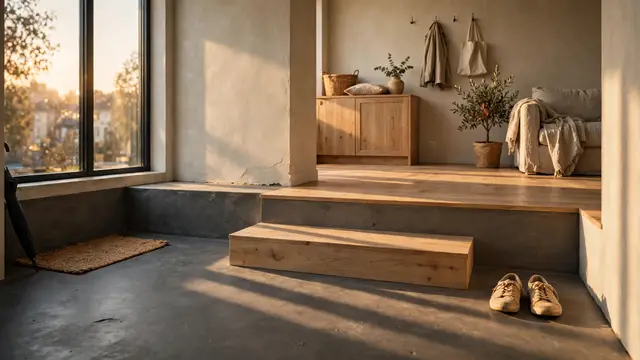
Seven Japanese Habits That Keep a House Tidy Without Constant Cleaning
The mess is not dirt. It is where things land when you walk in. Seven small habits from Japanese homes, each with a measurement and a ten-second test you can run tonight.
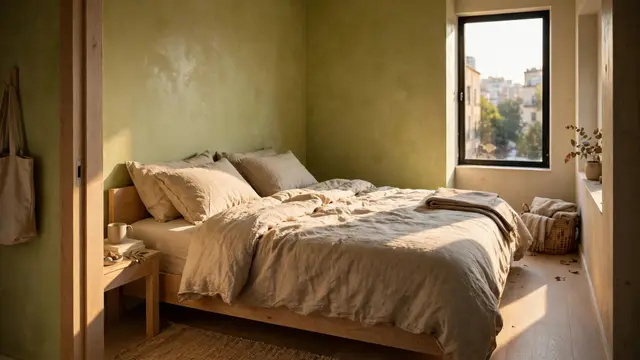
Sleeping on a Futon in a Small Flat: The Morning Routine That Gives Your Room Back
A floor bed only works if it leaves the floor every morning. Here is the layering, airing and storing routine, with the shelf measurement that decides if it fits your flat.
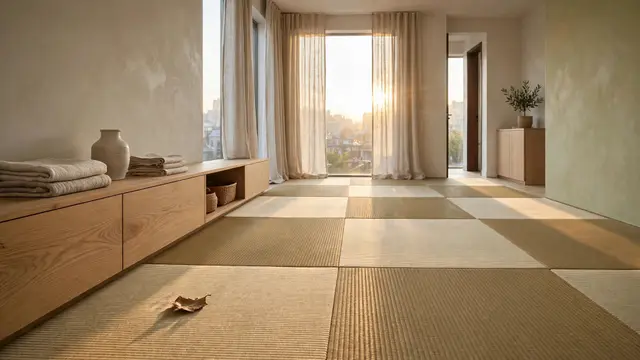
11 Things Japanese Homes Leave Out, and Why the Floor Stays Clear
A Japanese home does not organise the extras. It leaves them out. Here are eleven things left out, each with a test you can run tonight.
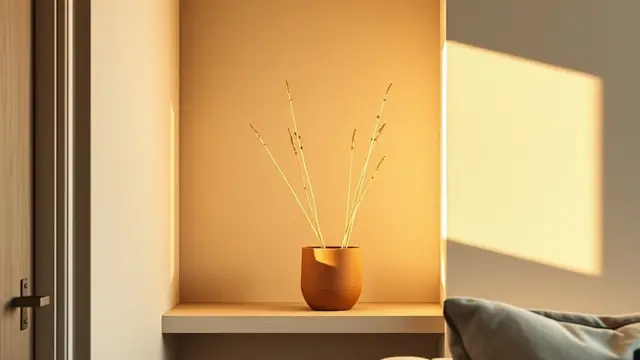
Why Your Houseplants Keep Dying (and Why Fewer Plants Works Better)
Plants fail when they are bought for looks and placed wherever there is a free shelf. Map your light, keep only what it can feed, and give each plant one fixed place.
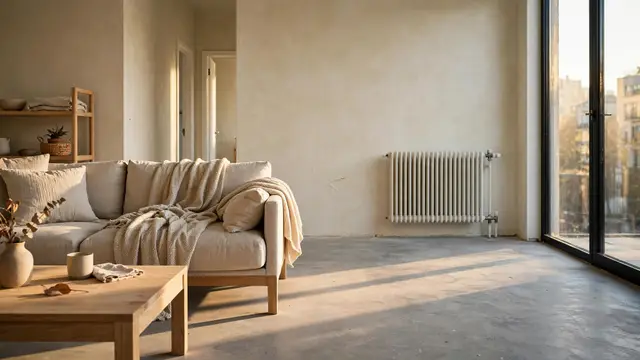
Cold Feet on the Sofa? What a Kotatsu Teaches About Warming the Right Place
Turning the heating up warms the ceiling, not your feet. A kotatsu traps heat around your legs. Here is how it works, what is safe, and a no-heater version for rentals.

Desk Clear on Monday, Buried by Thursday? The One-Tray Rule
A desk fills up because nothing marks the edge of the day's work. Use one tray for today, one box for later and one bin for never.
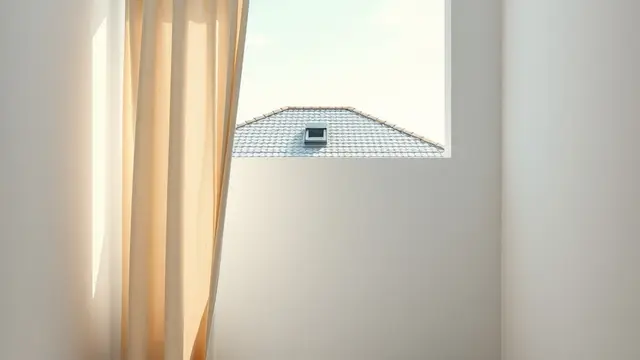
Your Window Has a View You're Not Using: Borrowed Scenery Ideas
A plain window view can become the best thing in the room. Frame it, clear the sill and place a seat so the view becomes part of your home.
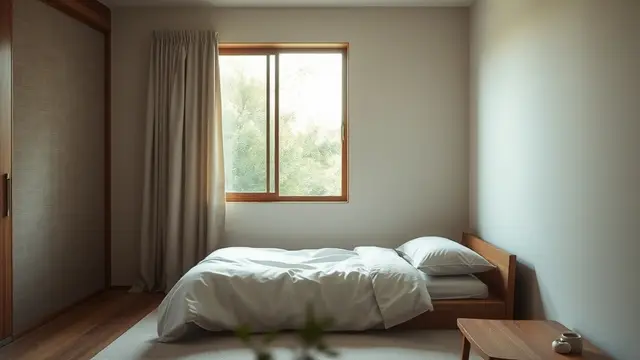
Full Wardrobe, Nothing to Wear? Rotate Clothes by Season
A packed wardrobe hides what you actually wear. Move one season out of the room, cap the rail, and see only what suits this month.
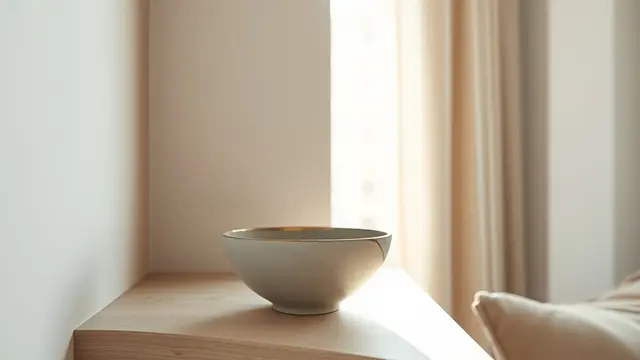
Repair Instead of Replace: A Visible-Mend Guide for Bowls, Chairs and Linen
A chipped bowl and a wobbly chair do not need to leave your home. A simple sorting rule and five small repairs keep them in use.
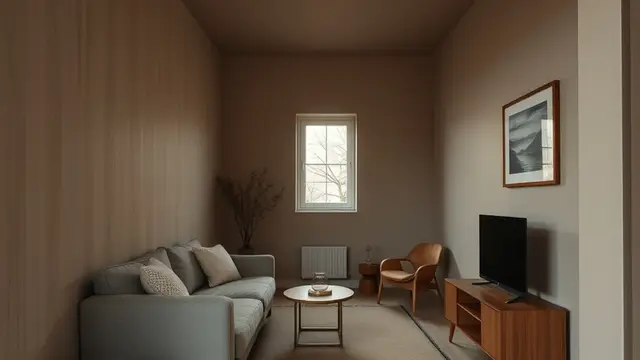
Soft Light at Home: How Paper Screens and Shadows Calm a Room
Diffused light calms a room more than bright light does. Learn how shoji-style screens, matte walls and deep eaves turn glare into a soft gradient.
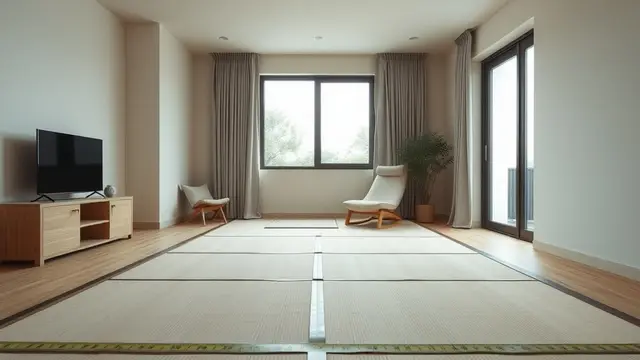
Why Your Small Room Feels Cramped (and What a Tiny Tea Room Does Differently)
A small room feels cramped when everything is the same size, height and weight. Learn six layout lessons from a tiny tea room that feels generous.
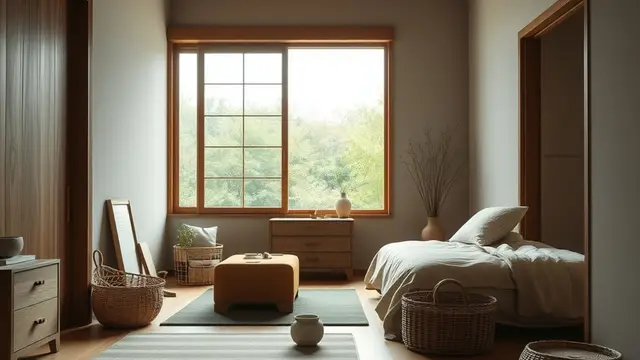
Low Bed Ideas: How a Low Bed Makes a Small Bedroom Feel Bigger
A low bed, a clear floor and a closed storage wall make a small bedroom feel taller and calmer. Seven steps drawn from the Japanese futon room.
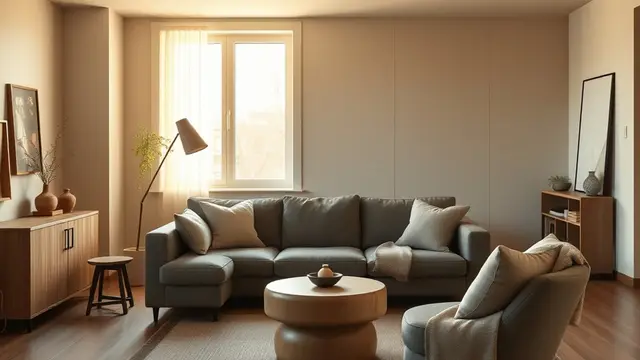
Why Your Living Room Feels Busy (Leave the Middle Empty)
A living room feels busy when furniture and objects fill the centre. Push pieces to the edges, keep a clear middle and reduce surfaces.
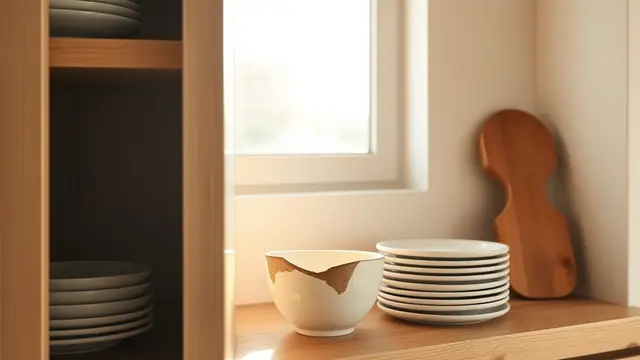
Japandi Open Shelves: How to Style a Kitchen Shelf Without Clutter
How to style open shelves in a Japandi kitchen: leave gaps, limit materials, keep daily dishes in front and put the rest behind a door.
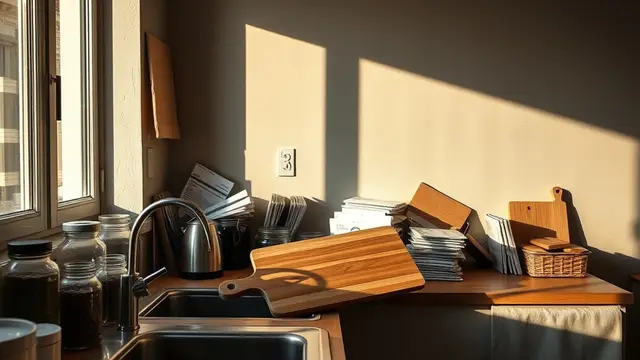
Why Your Kitchen Counter Is Always Full (and the Three-Zone Fix)
Kitchen counters fill up because nothing has a fixed place. Tape out three zones, test every object, and keep one bare stretch for prep.

Why Your Evening Lights Feel Harsh: Use Pools of Light, Not One Ceiling Light
One bright ceiling light flattens a room at night. Switch to three low pools of warm light at different heights and let the corners fall away.
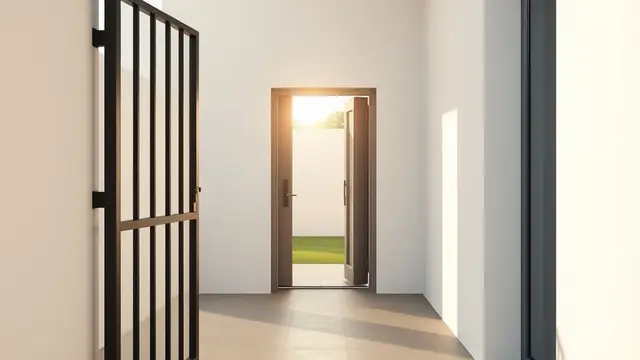
Make the Last Ten Metres Before Your Door Feel Calm
The way you arrive sets the mood of the whole home. Slow the approach with a path, a pause and a soft light so you arrive before you step inside.
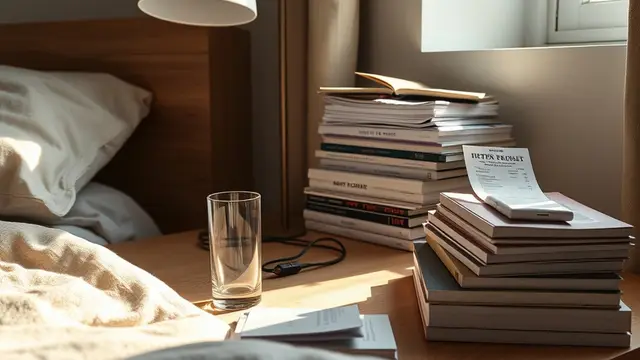
Bedside Table Always a Mess? The One-Object Rule
Your nightstand is cluttered because nothing on it was chosen. Pick a lamp, a glass and one book, display one object, and give the rest an address.
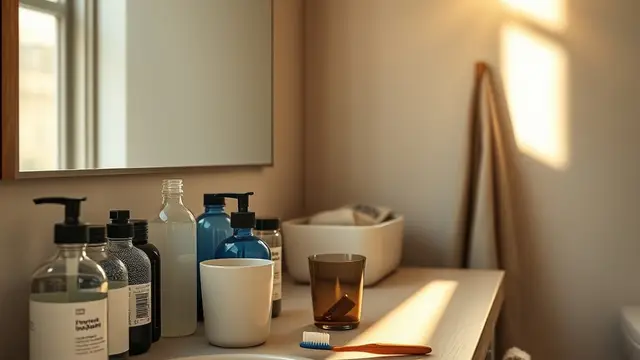
Bathroom Counter Always Cluttered? Sort It Into Wet and Dry Zones
A crowded bathroom counter is a storage problem, not a size problem. Sort by wetness, hang what drips, and keep only two things by the sink.
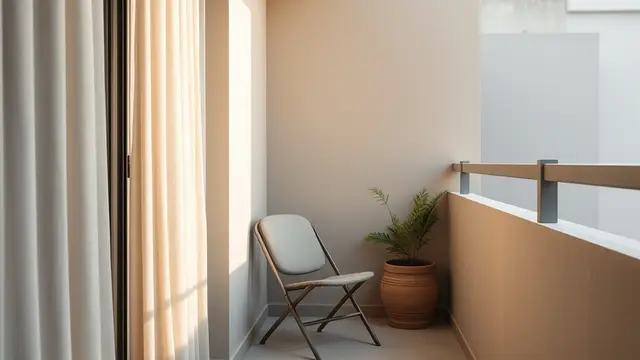
Why Your Balcony Never Gets Used (and the Engawa Fix)
A balcony goes unused when it feels like a storage ledge. Borrow the Japanese engawa idea: a low edge, one seat, one plant and a visible threshold.
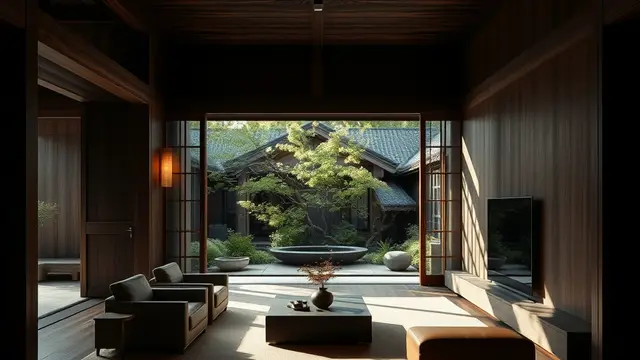
Limewash Walls: What the Texture Really Looks Like and How to Get It
What limewash walls look like up close, how the cloudy texture forms, and how to get a soft, plaster-like finish at home without making it look patchy.
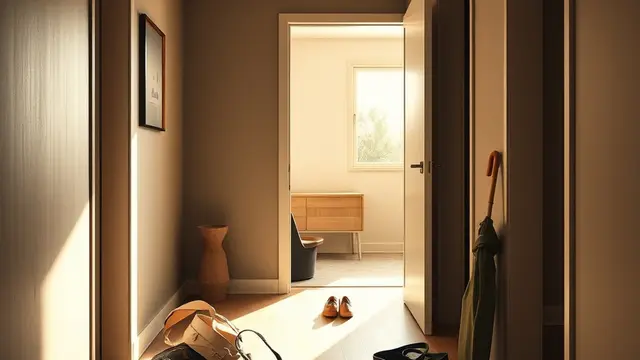
Japandi Entryway Ideas: A Calm, Genkan-Style Entry for Any Home
Japandi entryway ideas built on the Japanese genkan: a clear step, warm wood, soft plaster and one quiet light. What to include and what to leave out.
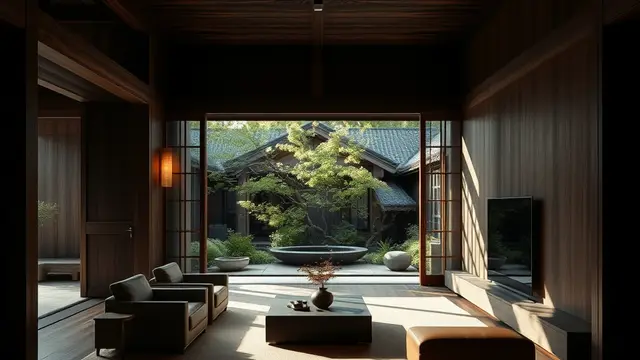
Why Your Living Room Feels Cold Even When It Looks Perfect
A clean, styled living room can still feel cold. Glossy surfaces, fake wood and bright ceiling light are usually why. Five textures and one lighting change that warm it up.
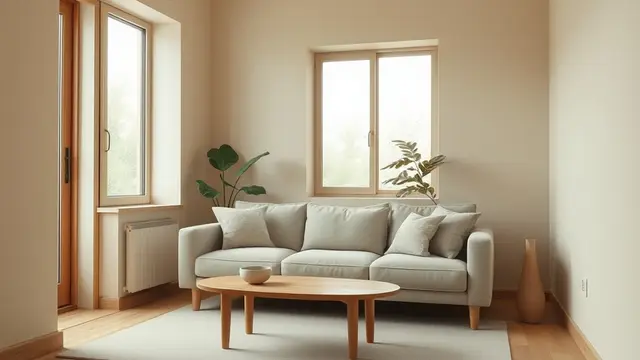
Why Your Japandi Apartment Still Feels Flat (and What to Change)
Pale oak, beige walls and the room still feels flat? It is usually the light, the entry and same-finish surfaces. Three renter-friendly fixes for one weekend.
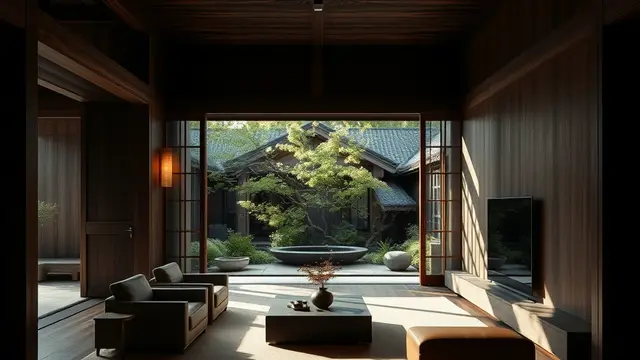
Why Your Beige Home Feels Cold (and the Texture Fix)
A neutral room can still feel flat and cold. Raw wood, rumpled linen and worn surfaces add the texture that colour alone cannot.
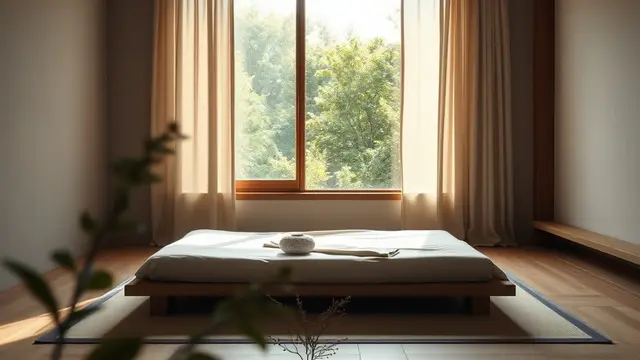
Why Your Bedroom Never Feels Restful (and 7 Japandi Fixes)
Your bedroom is also your office, closet and laundry rack. See how Japanese homes gave the bed a time, not a place, and use 7 Japandi steps to calm yours.
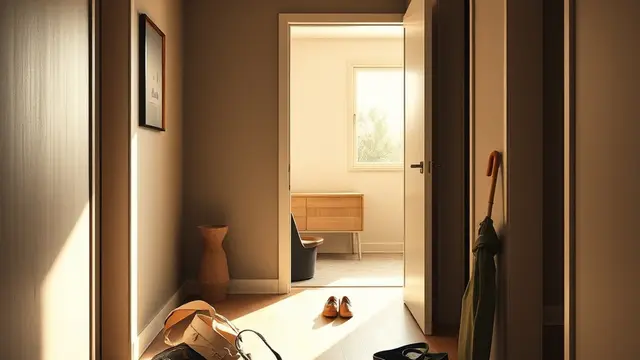
Why Doorways Feel Abrupt (and How to Soften Them)
Sharp transitions between rooms can leave a home feeling tense. A pause, a change of material and a softer edge make doorways easier to cross.
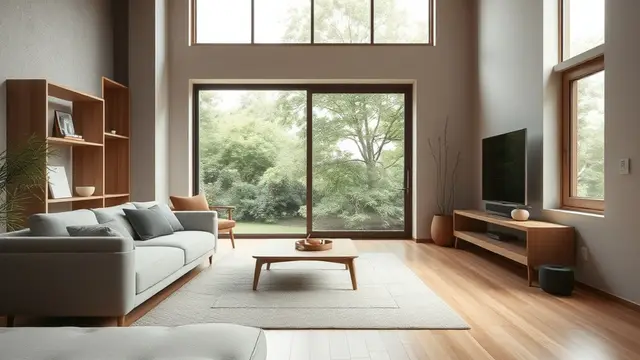
Why a Tidy Room Still Feels Crowded (and How to Fix It)
Your room is tidy but still feels crowded? The cause is mismatched sizes and heights. Use one shared measure, one height line and one empty wall to fix it.
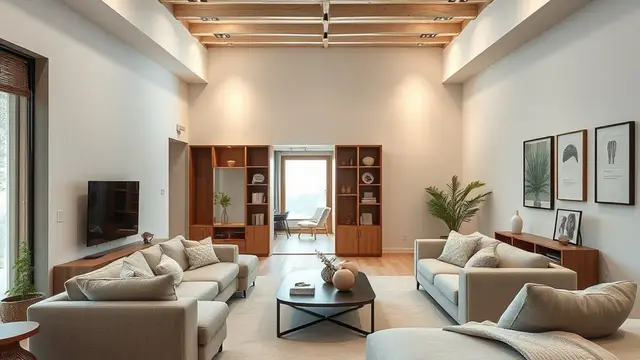
Why a Bare Wall Makes Your Home Feel Tiring (and What to Do About It)
Flat walls and visible clutter can make a room tiring to live in. Textured surfaces, closed storage and quiet contrast calm it down, even in a rental.
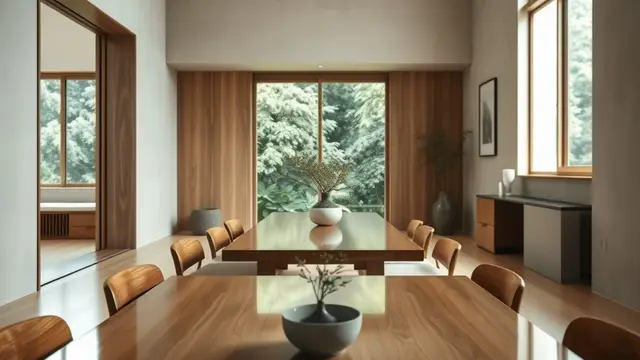
Your Home Isn't Noisy, It's Echoing: How to Reduce Echo at Home
Raising your voice at dinner and blaming the street? Your room may be echoing. Do the 3-second clap test, then use these 7 fixes to soften a ringing room.
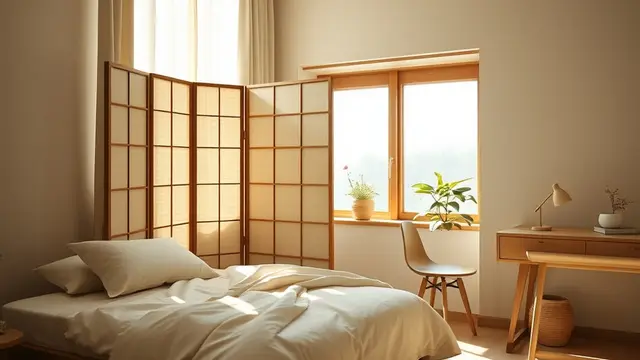
How to Divide a Studio Apartment Without Walls (Renter-Friendly)
One room doing everything? Skip the bookcase wall. Use a light-letting divider, rug lines and a two-minute evening switch to split work and rest. No drilling.

A Front Door Drop Zone That Actually Works
Shoes, keys and bags pile up at the front door when nothing gives them a place. A small, defined drop zone keeps the entry calm every day.
Watch, then try it at home
Every guide here starts as a video on YouTube. Watch for the walkthrough, read the guide for the checklist.