Living Room
Why Your Japandi Apartment Still Feels Flat (and What to Change)
Pale oak, beige walls and the room still feels flat? It is usually the light, the entry and same-finish surfaces. Three renter-friendly fixes for one weekend.
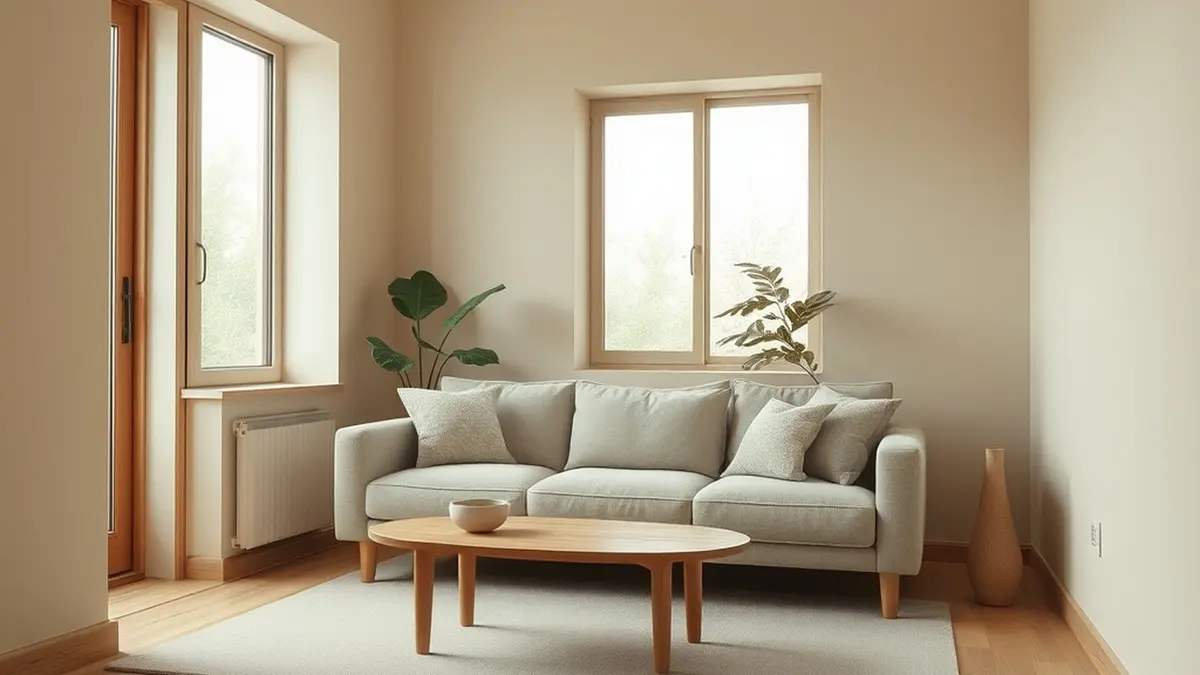
You painted everything beige, bought pale oak, and the apartment still feels flat. It is not your taste. Online, Japandi is treated like a paint colour, and that is where it goes wrong.
The cause is rarely the furniture. It is three small things most renters never look at: the light you switch on, what you see when the door opens and the surfaces you touch. You can change all three in a weekend, with no drilling and no lost deposit.
Watch the video version

Prefer to watch? The full walkthrough is on our YouTube channel. Subscribe for a new room guide every week.
What good Japandi photos actually show
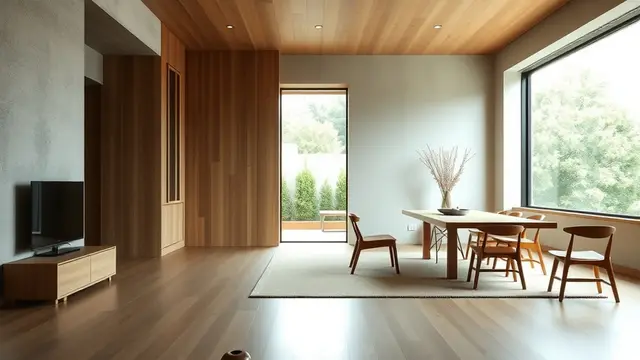
Search Japandi and every photo looks alike: pale walls, pale wood, one vase. It is easy to decide the whole look is beige. Look closer and the rooms are not pale at all.
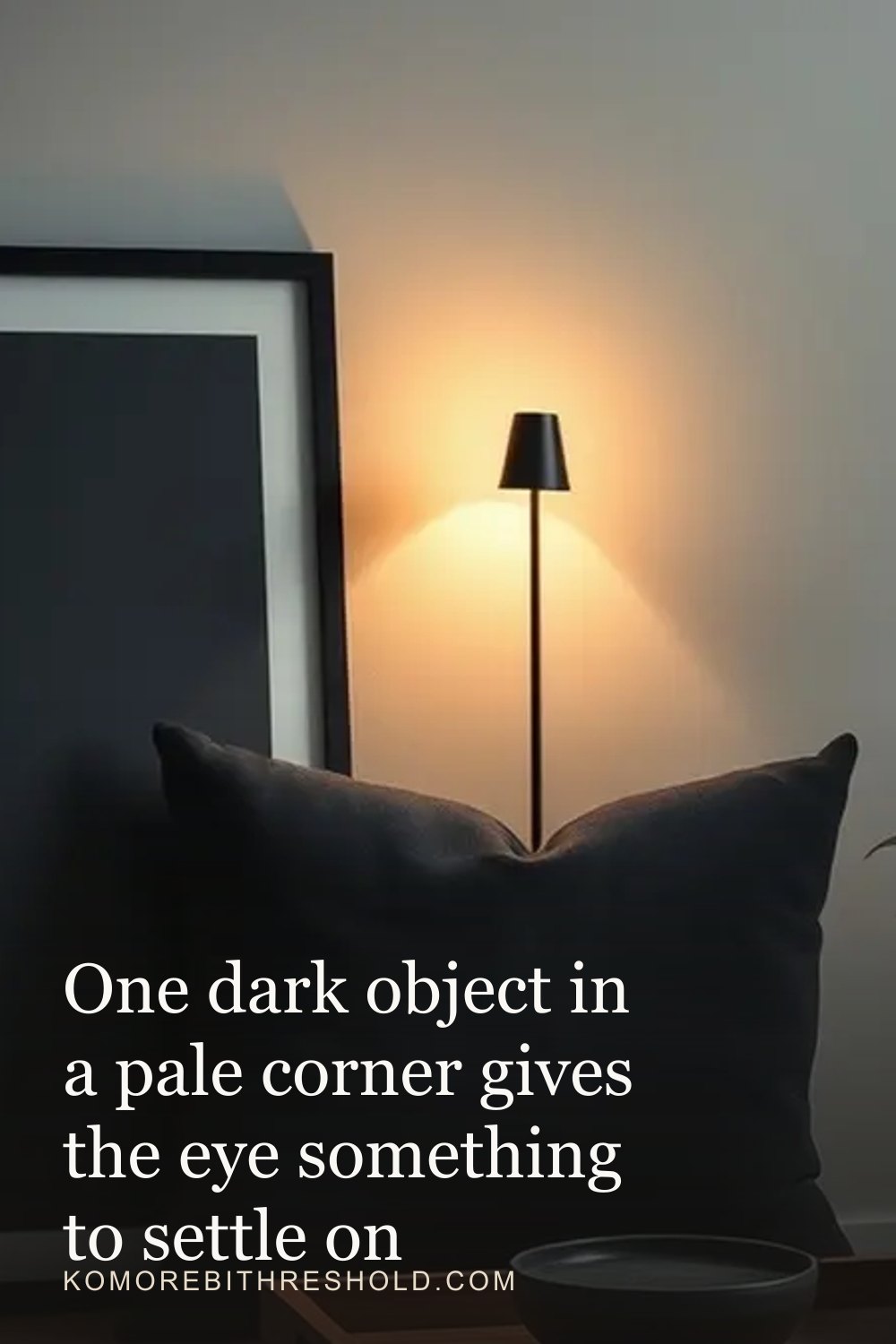
Find the darkest spot in any good photo. It is a deep brown frame, a black iron lamp or a charcoal rug. That dark spot gives your eye somewhere to land. Without it, every surface melts into the next.
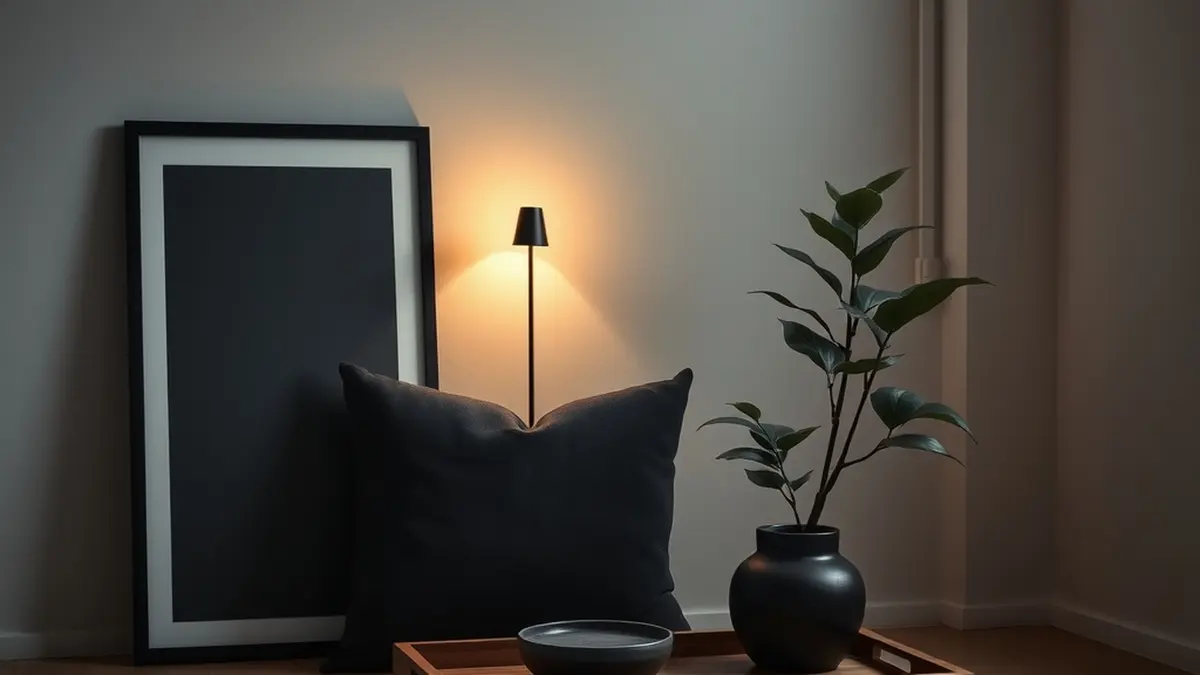
Now look at the wood. You can almost feel the grain, and the bowl beside it is rough and unglazed, not glossy. Texture does the same job as the dark spot: it tells your eye that each thing is different.
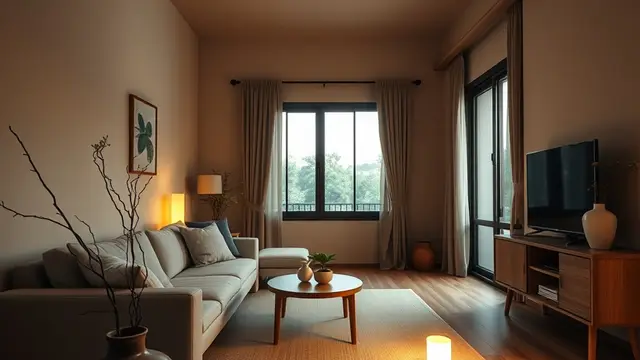
Then the light. In those photos it is low and warm from one side, and it leaves soft shadows on the wall. A rental usually has the opposite: a white ceiling light, white walls and shadows so faint the room feels like an office.
So most people copy the colours and skip the contrast, the texture and the light.
Quick test: stand in your doorway and squint. If the sofa and the wall blur into one shape, that is the problem.
Mistake 1: the light you switch on without thinking
Most rentals come with one bright ceiling light. It lights every corner the same, so the oak looks grey and the linen looks flat. Walk in at seven in the evening and look for shadows. If there are none, the room looks like a photocopy of itself.
That flat glare also makes the evening feel like work. You sit down to relax and the room keeps telling you to stay alert.
There is some science behind evening light, with limits. In one sleep experiment comparing two colours of light at similar brightness, the bluer light held back the sleep hormone about twice as long and shifted the body clock about three hours, against one and a half for green light. That is one experiment about sleep, not about mood. Health sources also note that even very dim light at night can nudge that signal. In our view the evening lamp matters more than the wall paint, which is good news when you rent.
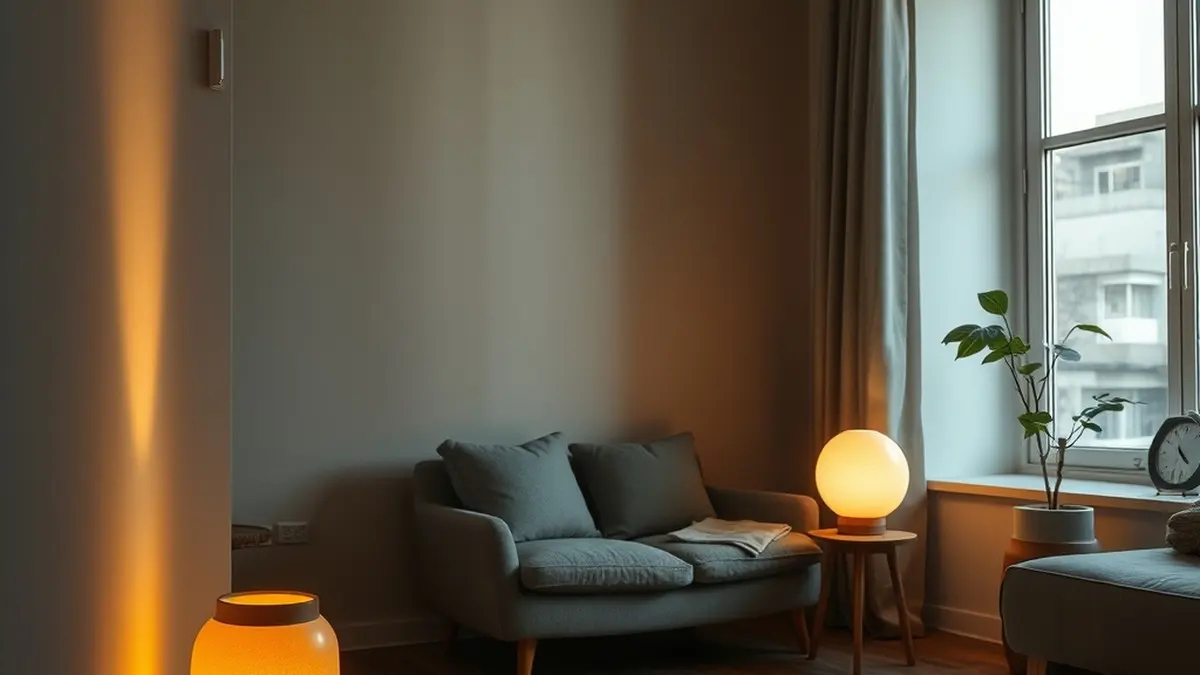
The fix
- Turn the ceiling light off after dinner.
- Use two or three small lamps with warm bulbs, at different heights: one near the floor, one beside the sofa.
- Check the box for warm white, around 2700K. It is a good start, not a guarantee.
The corners go dark, the wood glows and the room gains depth instead of just brightness. That darkness is not a flaw. A room needs shadow the way a song needs quiet.
Try it for ten minutes tonight before you decide, then flip the ceiling light back on and notice how harsh it feels.
Mistake 2: what you see in the first three seconds
In most apartments the door opens straight into the room. Shoes, bags, keys and a coat greet you before you sit down. After a long day the first thing you see is a list of chores.
A brain-imaging experiment found that many separate objects in view at once compete for attention, and that grouped items compete less. That was a lab test with images, not a living room, so take it as a clue. Our reading: shoes, a bag, a coat, keys and mail are five separate things, and all of them ask for your eye at once.
Japanese homes handle this with the genkan, a small entrance zone with a tiled or earthen floor and a step up into the house. Outside stays on the lower level, street dust included, and the home starts one step higher. You cannot build a step in a rental, but you can copy the idea on the floor.
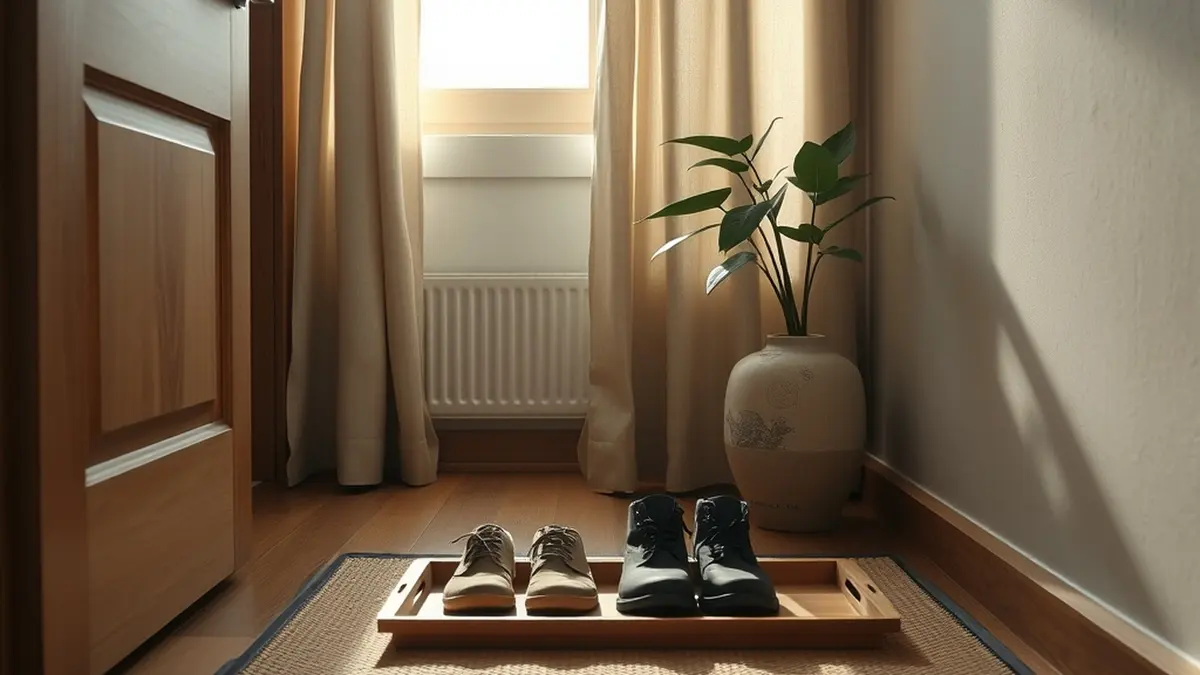
The fix
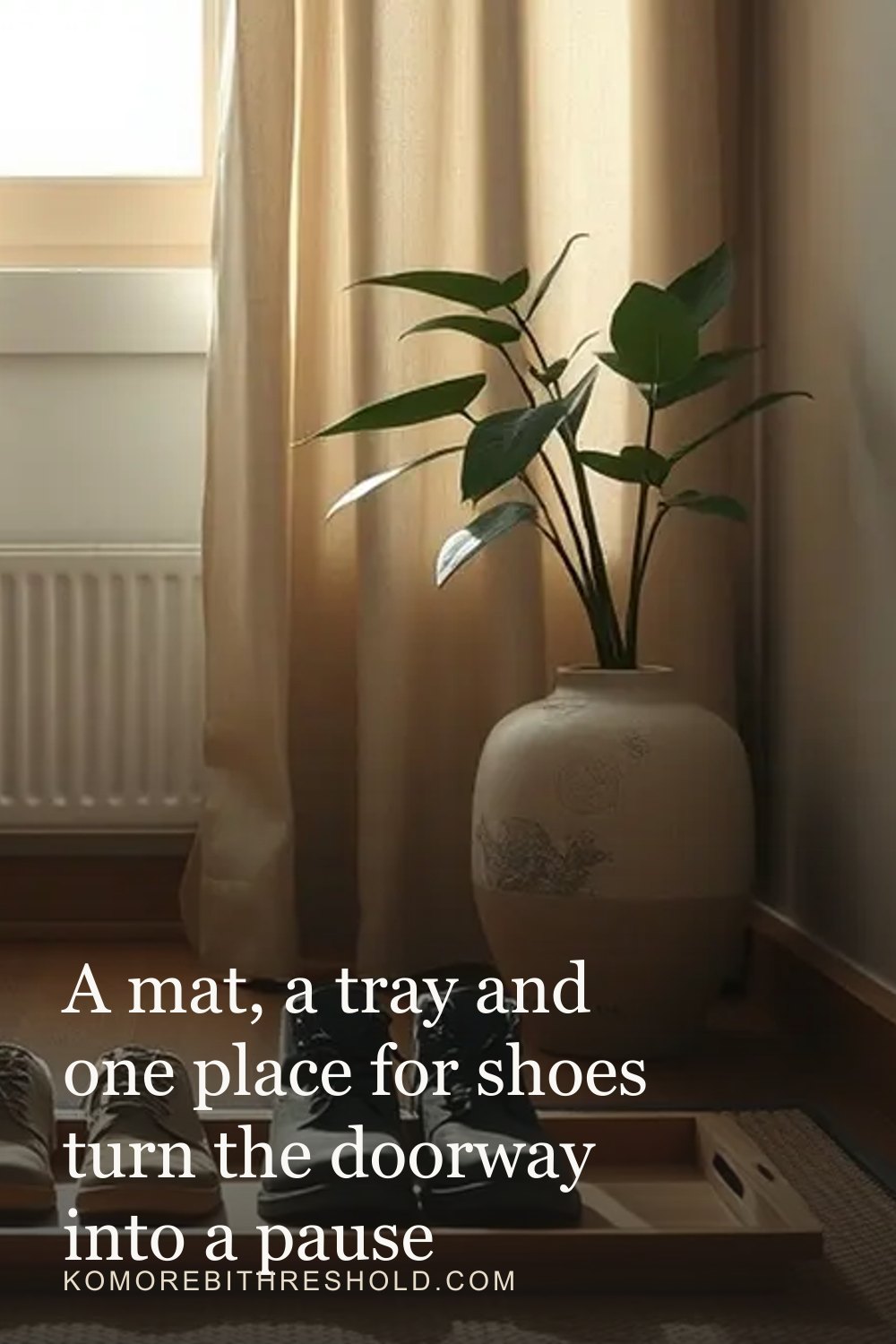
- A mat about the size of a bath mat, right inside the door. That is the outside zone, and shoes stop there.
- A closed cabinet or a bench with a lid, so bags and coats disappear instead of hanging in view.
- One hook and one lamp at the door. The first thing you see should be a wall, not a pile of reminders.
Short on space? A narrow shelf with three baskets works. Three baskets read as one group, not as a pile.
Mistake 3: every surface has the same finish
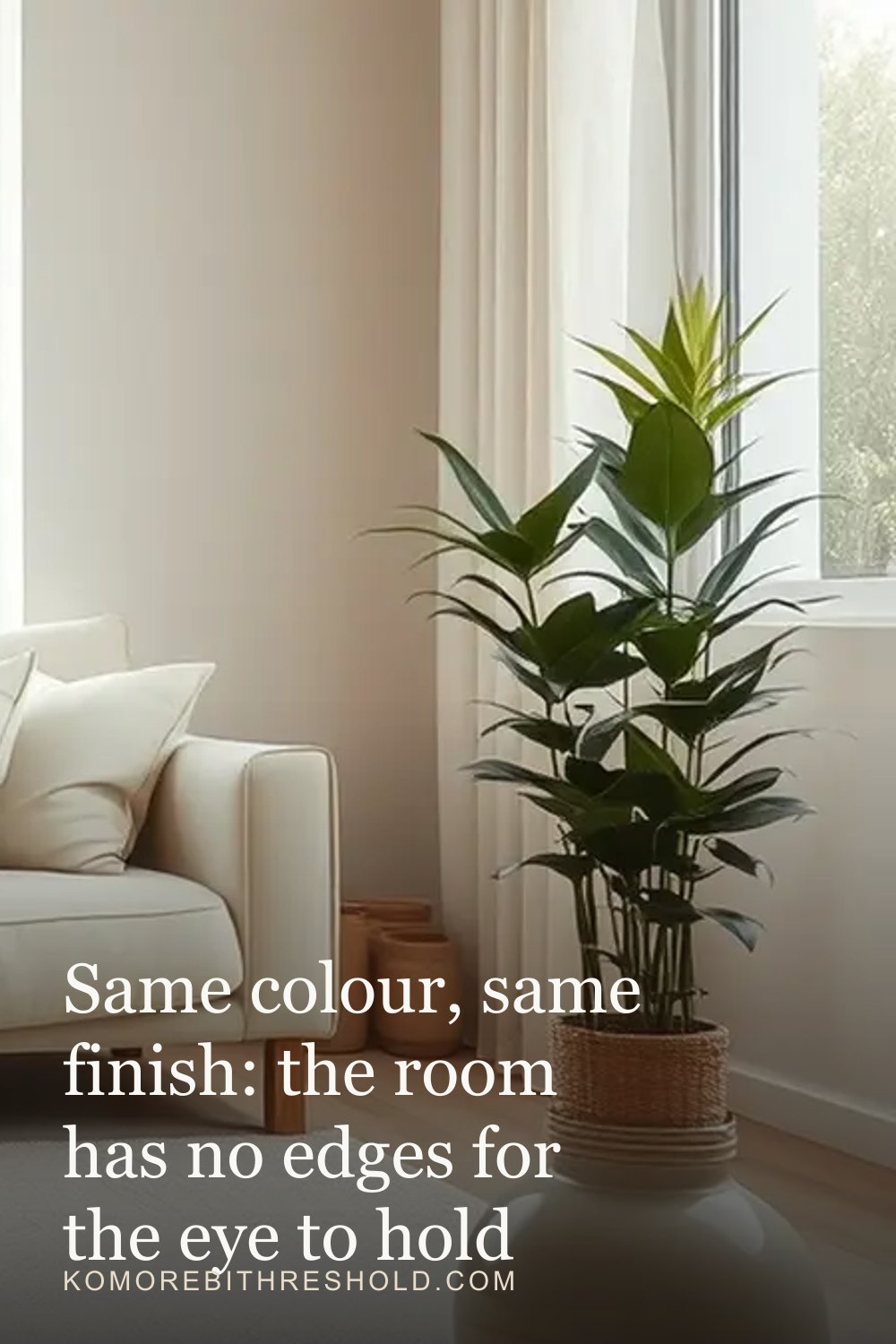
Run your hand across the room in your head. Smooth white walls, a glossy floor, a flat-pack shelf with printed wood grain pretending to be oak. Everything feels alike, so your fingers and your eyes have nothing to notice.
Then you add pale pillows and a pale rug because the photos did, and now it is all smooth and pale.
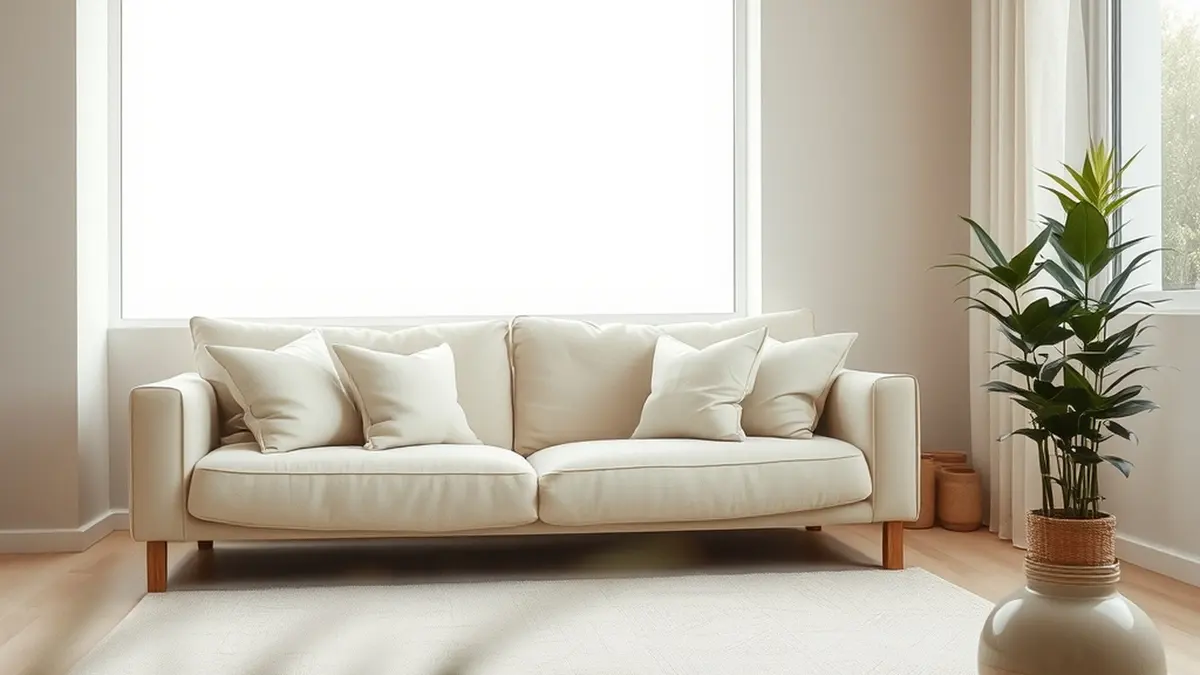
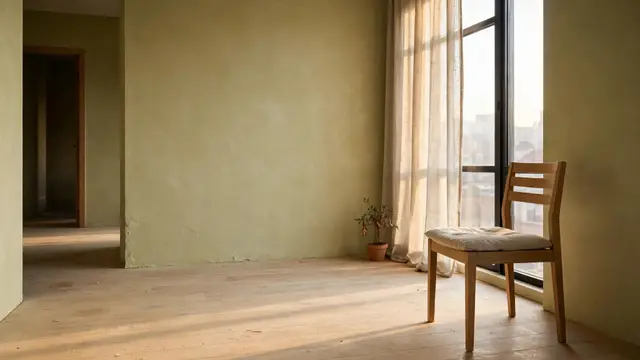
A good Japandi room is different. The oak shows its grain, the plaster is slightly rough and the ceramic cup is a little uneven. Each of those details gives the light something to catch. A rough wall under a warm lamp looks alive, and a smooth one just glows.
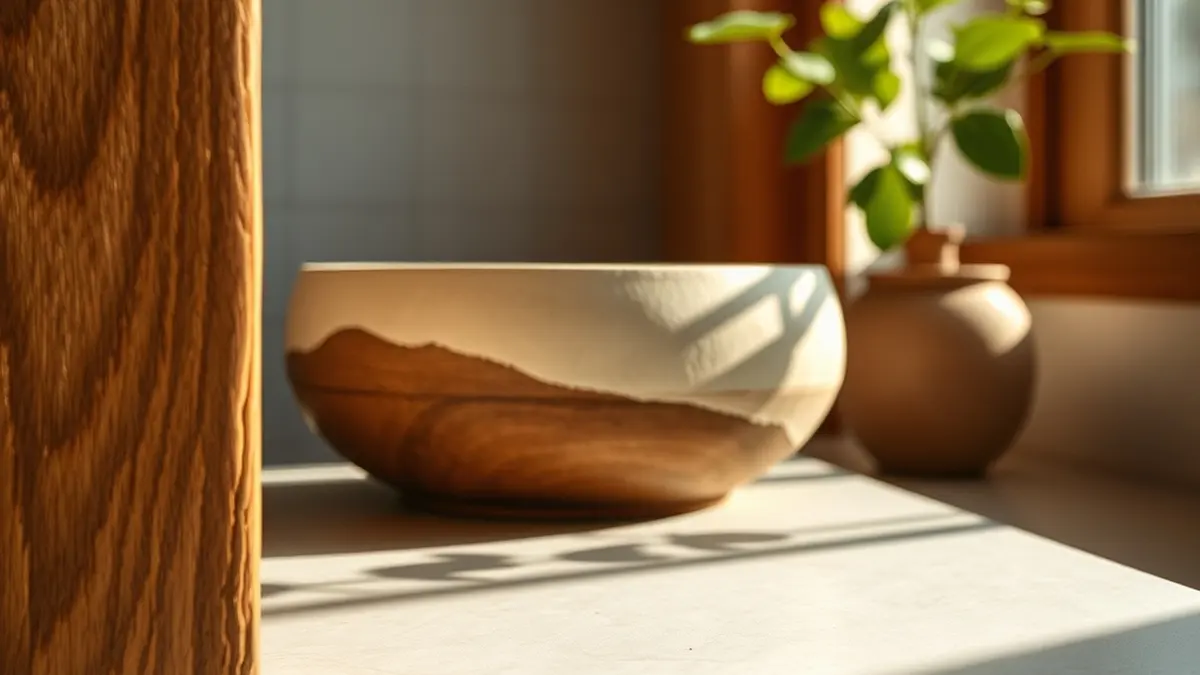
The fix: do not repaint, add texture
- One woven thing: a linen throw or a jute rug.
- One rough thing: a clay pot or a stone tray.
- One glazed thing: a bowl.
- One dark thing: a charcoal cushion, a black frame or a walnut tray.
Place them in a small group, not spread across the room. A group looks like a decision, and a scatter looks like clutter. Then take something away: remove one object from every shelf and leave a gap. Japanese design has a word for that gap, ma. Empty space is part of the look, not wasted room.
A one-weekend plan
- Friday evening: swap the lamps. No new lamp? Move the one you own into a corner and give it a warm bulb.
- Saturday morning: set up the entrance with a mat, a tray and a lidded place for bags.
- Saturday afternoon: add texture and one dark accent, then remove one object per shelf.
- Sunday: do nothing. Sit with the warm lamps on after dark and notice what your shoulders are doing.
If the room still feels flat, a new sofa is rarely the answer. It is usually one more dark thing or one less object. Before you buy anything, take a photo at night with only the lamps on. If the photo looks flat, add contrast, not colour.
You do not need anything Japanese to do this. A plain wooden tray, a stoneware mug and a linen cloth already do the job. And if you only do one fix this week, make it the light.
So, why does a beige Japandi apartment still feel flat? Because the look was never the colour. It was contrast, texture, empty space and warm light.
Frequently asked questions
Why does my Japandi room feel cold or flat?
Usually because the palette is pale, every finish is matte and smooth, and the only light is overhead. Add warm lamps, one dark object and a few natural textures.
How many dark objects do I need?
One small dark object per seating area is a good start. Add more only if the room still floats.
Can I do this as a renter?
Yes. Every fix here uses objects you can carry out when you move: lamps, a mat, a tray, bowls and cushions.
What to look for
As an Amazon Associate I earn from qualifying purchases. These links open Amazon search results; we may earn a commission at no extra cost to you. You do not need to buy anything to use this guide.
- Warm table lampPlace beside the sofa and use a 2700K bulb.Search on Amazon
- Wooden serving bowlAdds a rough texture beside smooth surfaces.Search on Amazon
- Boot trayGives the entry one clear place for shoes.Search on Amazon
- Charcoal linen cushion coverOne dark anchor for a pale sofa.Search on Amazon
Save these ideas
Images in this guide are AI-generated illustrations of the ideas described, not photographs of real homes.