Living Room
Limewash Walls: What the Texture Really Looks Like and How to Get It
What limewash walls look like up close, how the cloudy texture forms, and how to get a soft, plaster-like finish at home without making it look patchy.
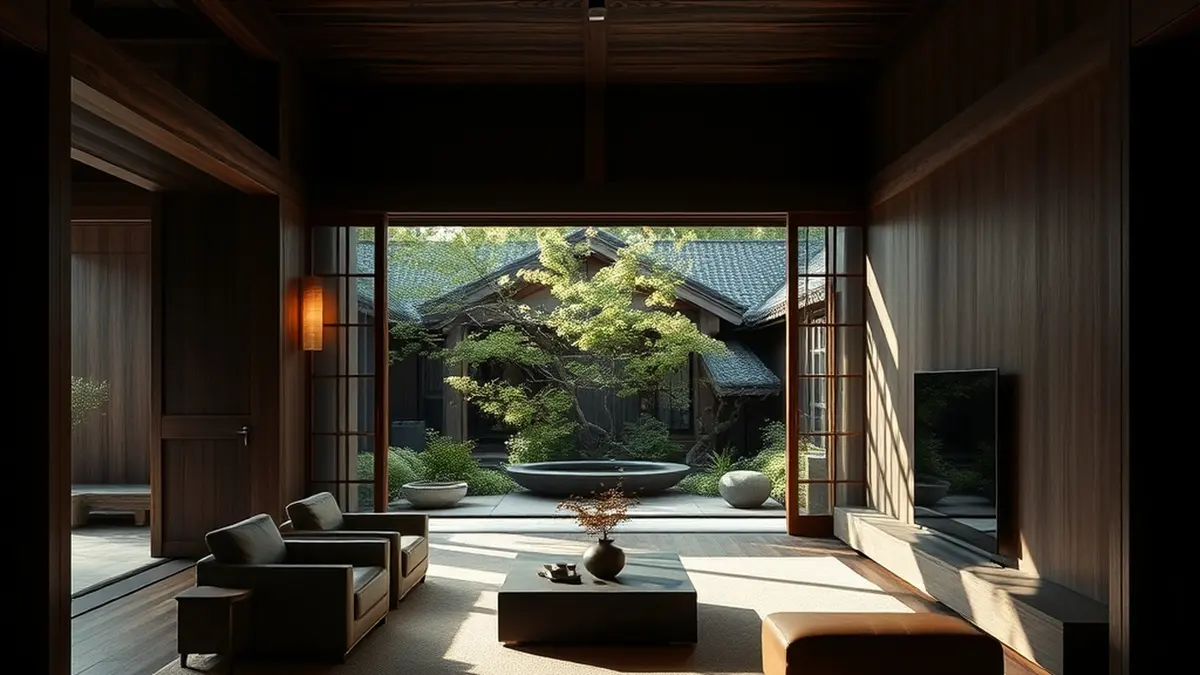
Flat paint gives you a colour. Limewash gives you a surface. Under changing daylight it looks softly clouded, a little deeper in some places and lighter in others, and that variation is exactly what a plain wall in a neutral room is missing.
If your room is beige but still feels flat, our guide to why a beige home feels cold explains the missing ingredient. Limewash is one of the simplest ways to add it.
Watch the video version

Prefer to watch? The full walkthrough is on our YouTube channel. Subscribe for a new room guide every week.
What limewash actually is
Traditional limewash is made from slaked lime (lime putty thinned with water) and natural pigment. It is a mineral finish: it soaks into the surface and becomes part of the wall instead of forming a plastic film on top.
Many paints sold as "limewash" today are lime-based or lime-style formulas that are easier to use. They share the same visual character: a matte, chalky, slightly translucent coat. Check the label to see which you are buying, because the working instructions differ.
What the texture looks like up close
- Cloudy, not uniform. Each brush stroke leaves a slightly different amount of pigment, so the wall looks softly mottled.
- Matte and chalky. There is no sheen, which is why shadows look soft rather than sharp.
- Visible but gentle brushwork. Long crossing strokes leave a faint trace. It should read as movement, not as stripes.
- Quiet depth. The colour looks deeper in corners and lighter where light strikes it.
Why it works so well in calm rooms
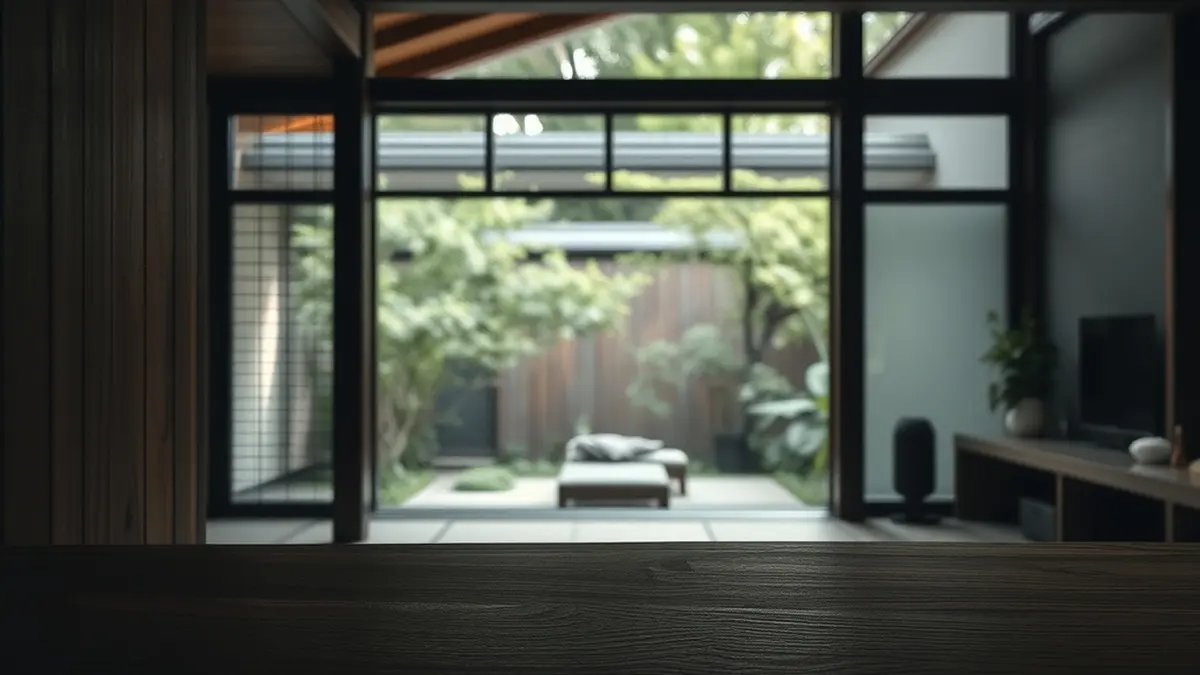
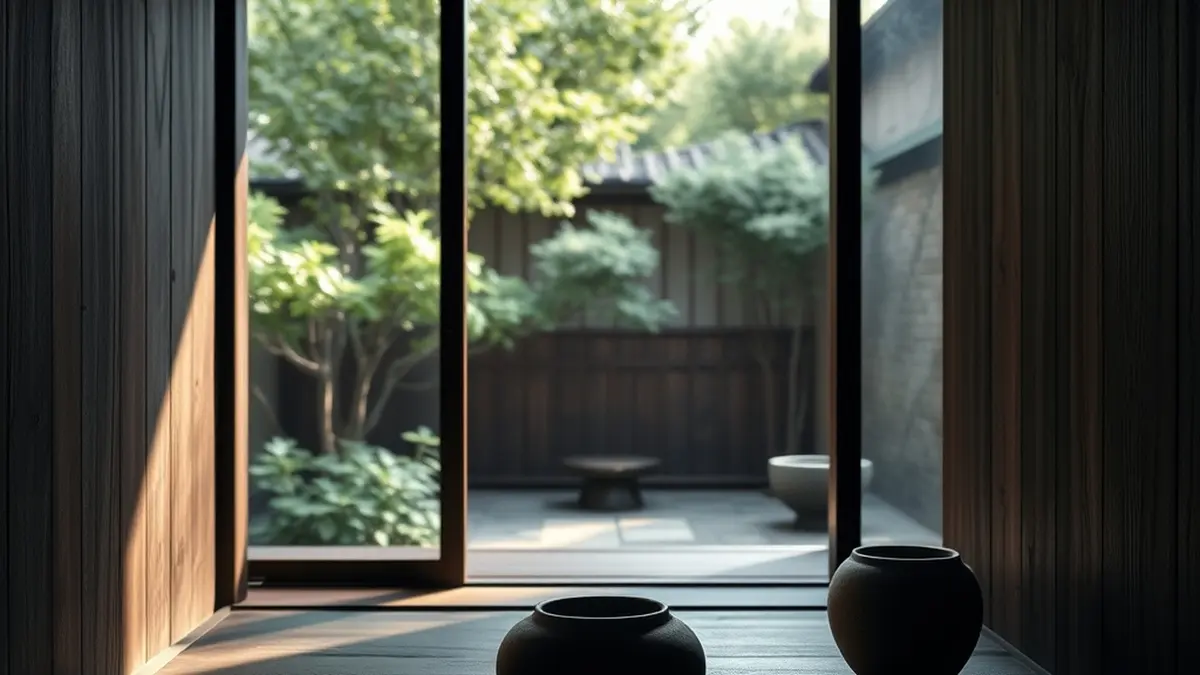
In Japandi interiors the aim is warmth without decoration. Limewash does that job with the surface itself. A plain cream wall can disappear; a limewashed cream wall catches the morning light and the evening lamp differently. It gives you atmosphere without adding a single object.
It pairs well with raw wood, linen and stoneware, all of which share the same matt, natural character.
How to get the look at home
These are general steps. Always follow the instructions on the product you choose.
- Check the surface. Limewash works best on porous surfaces such as plaster, brick or unpainted masonry. On smooth painted drywall, many brands ask you to apply a primer or a specific base coat first.
- Protect yourself and the room. Lime is alkaline and can irritate skin and eyes. Wear gloves and eye protection, and cover floors and furniture.
- Dampen and thin as directed. Many limewashes are applied thin and onto a slightly damp wall. Test on a spare board or a hidden corner first.
- Use a wide, soft brush. Work in crossing, irregular strokes rather than neat parallel lines. Do not try to make it even.
- Build thin coats. Two or three thin coats usually look better than one thick one. Let each dry as the label directs.
- Judge it dry. Limewash looks darker wet and lightens as it dries, sometimes a lot. Wait before deciding on another coat.
Where it goes wrong
- Heavy-handed coats. They look patchy and opaque. Thin is the point.
- Picking colour from a swatch. Test a large sample board and look at it at three times of day.
- Glossy neighbours. A glossy skirting or high-shine floor will fight the soft wall. Keep the surrounding finishes matt.
- Using it in splash zones without checking. In wet areas, follow the manufacturer's guidance on sealing.
Frequently asked questions
Is limewash the same as plaster?
No. Plaster is a thick material applied in layers to build a surface. Limewash is a thin, paint-like coating. They look similar when well done, but limewash is much easier to apply.
Can I limewash over painted walls?
Often yes, but you may need a primer or base coat designed for lime finishes. Read the manufacturer's instructions and test a small area first.
Will it look patchy?
Some variation is the point. If you want it softer, use thinner coats and cross-brush in several directions.
Does it last?
It is a durable, breathable finish when applied correctly, but it can show marks more easily than a wipeable paint. Keep it away from places that need frequent scrubbing.
What to look for
As an Amazon Associate I earn from qualifying purchases. These links open Amazon search results; we may earn a commission at no extra cost to you. You do not need to buy anything to use this guide.
- Limewash style paintA soft, chalky mineral finish.Search on Amazon
- Wide limewash brushMakes the cloudy strokes easier.Search on Amazon
- Painter's drop clothProtects floors from drips.Search on Amazon
- Safety glasses and glovesLime is caustic; protect eyes and skin.Search on Amazon
Save these ideas

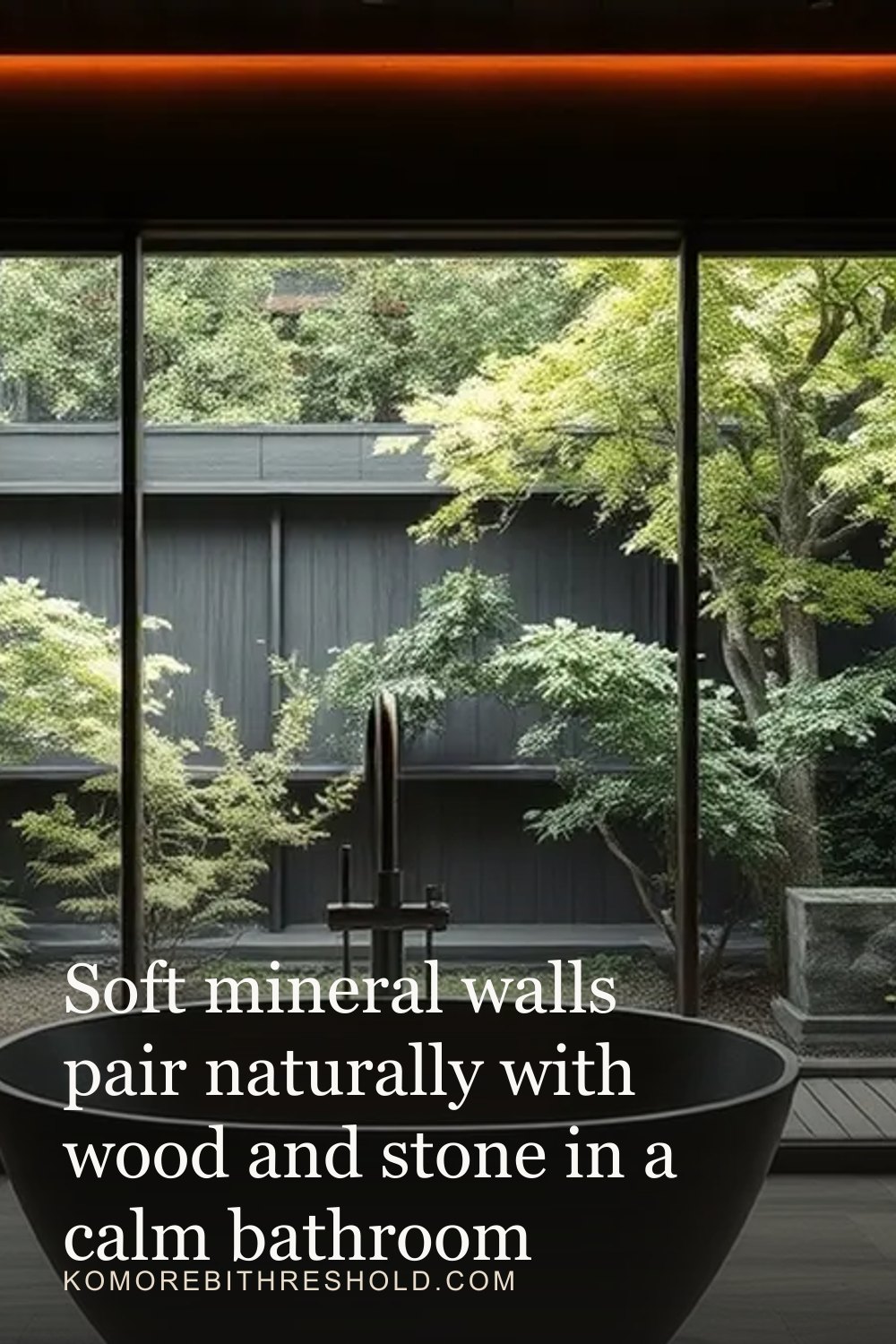
Images in this guide are AI-generated illustrations of the ideas described, not photographs of real homes.