Entryway
Why Doorways Feel Abrupt (and How to Soften Them)
Sharp transitions between rooms can leave a home feeling tense. A pause, a change of material and a softer edge make doorways easier to cross.
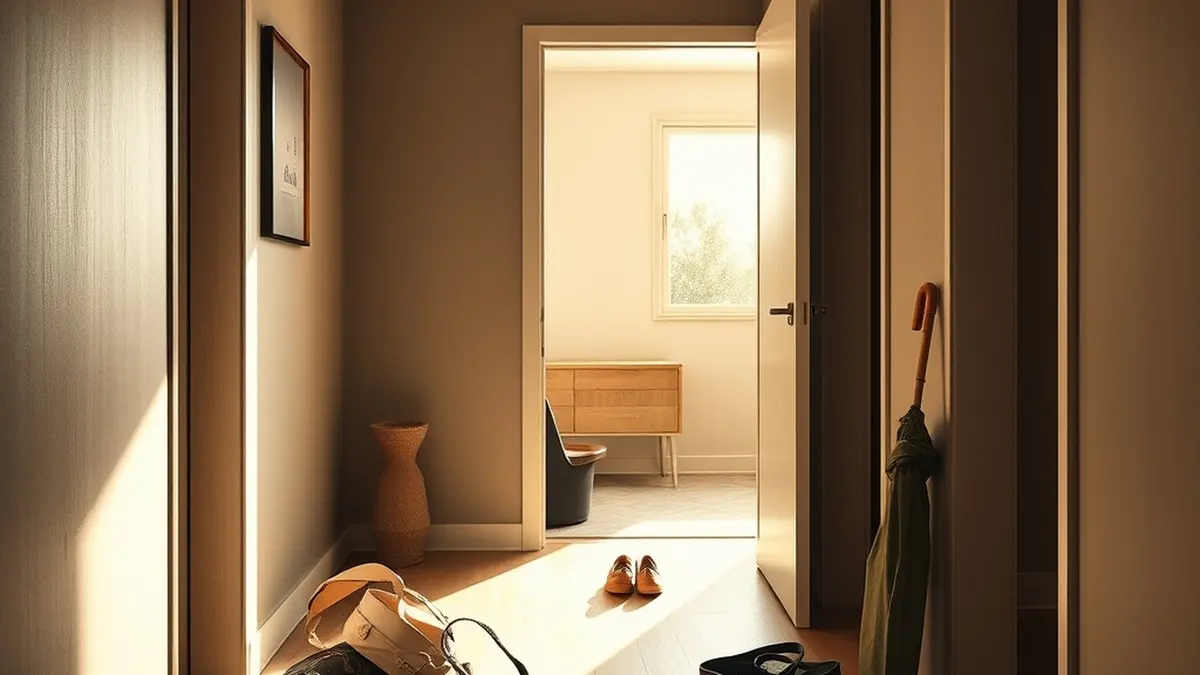
Walk through a doorway in a modern open-plan home and nothing marks the move from one space to the next. It is just a gap in a wall. That sounds harmless, but sharp, unmarked transitions can leave a home feeling slightly tense, as if you never arrive anywhere.
This guide covers what makes a doorway feel abrupt and four ways to soften it, based on our video about thresholds and how Japanese rooms handle them. None of it needs a renovation.
Watch the video version

Prefer to watch? The full walkthrough is on our YouTube channel. Subscribe for a new room guide every week.
Why doorways feel abrupt
Three things come up again and again.
- No pause. Flat, open layouts have no step, no change of floor and no frame, so the eye keeps wandering.
- Clutter in view. Sharp sightlines from the entry show everything at once, including whatever is piled near the door.
- Hard edges. Sharp corners and bare frames make the crossing feel sudden.
You do not notice each one. You just feel more hurried than you should.
Quick test: stand just inside your front door and look into the home. If you see everything at once, with no frame or pause, the doorway is doing no work.
Fix 1: mark the pause
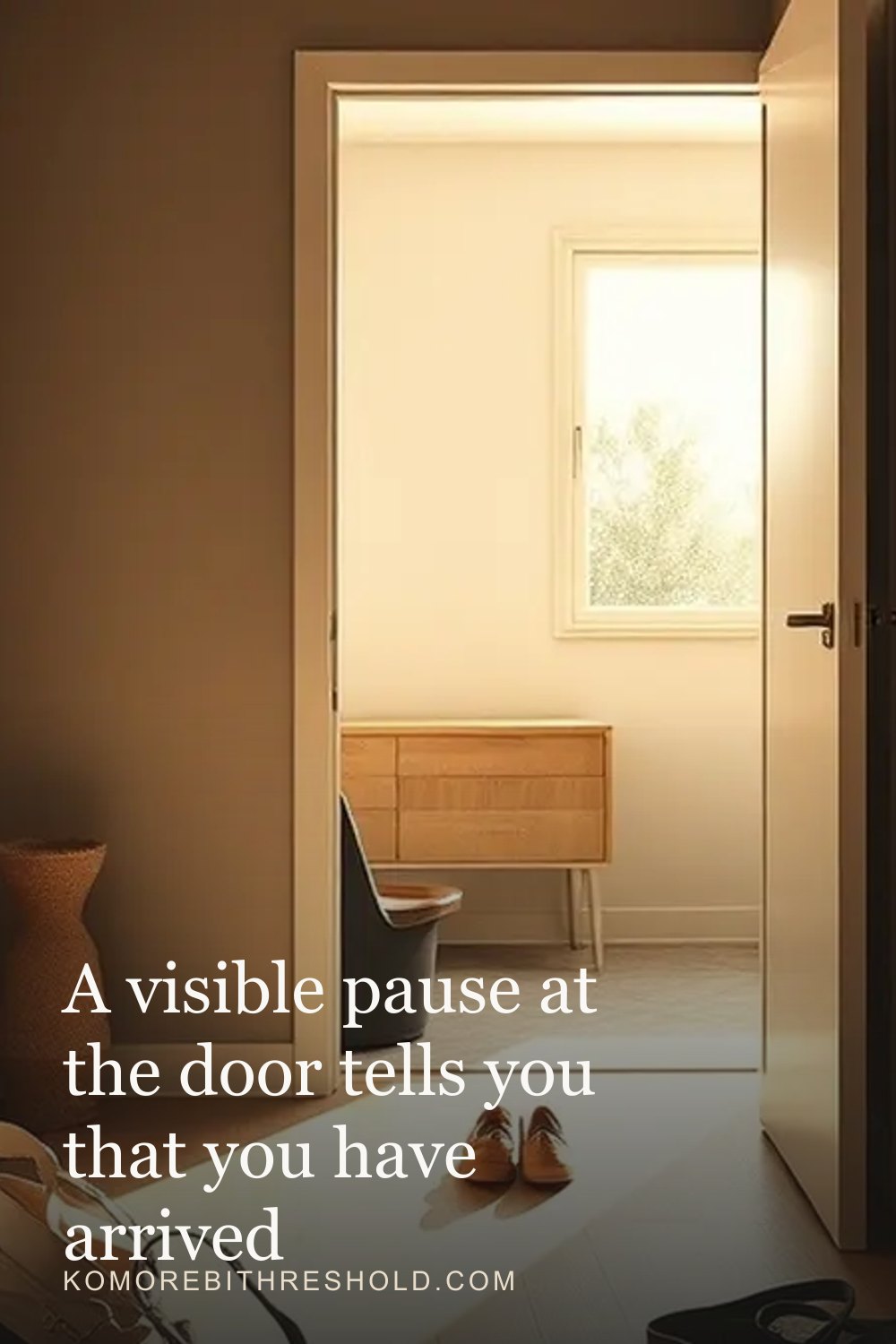
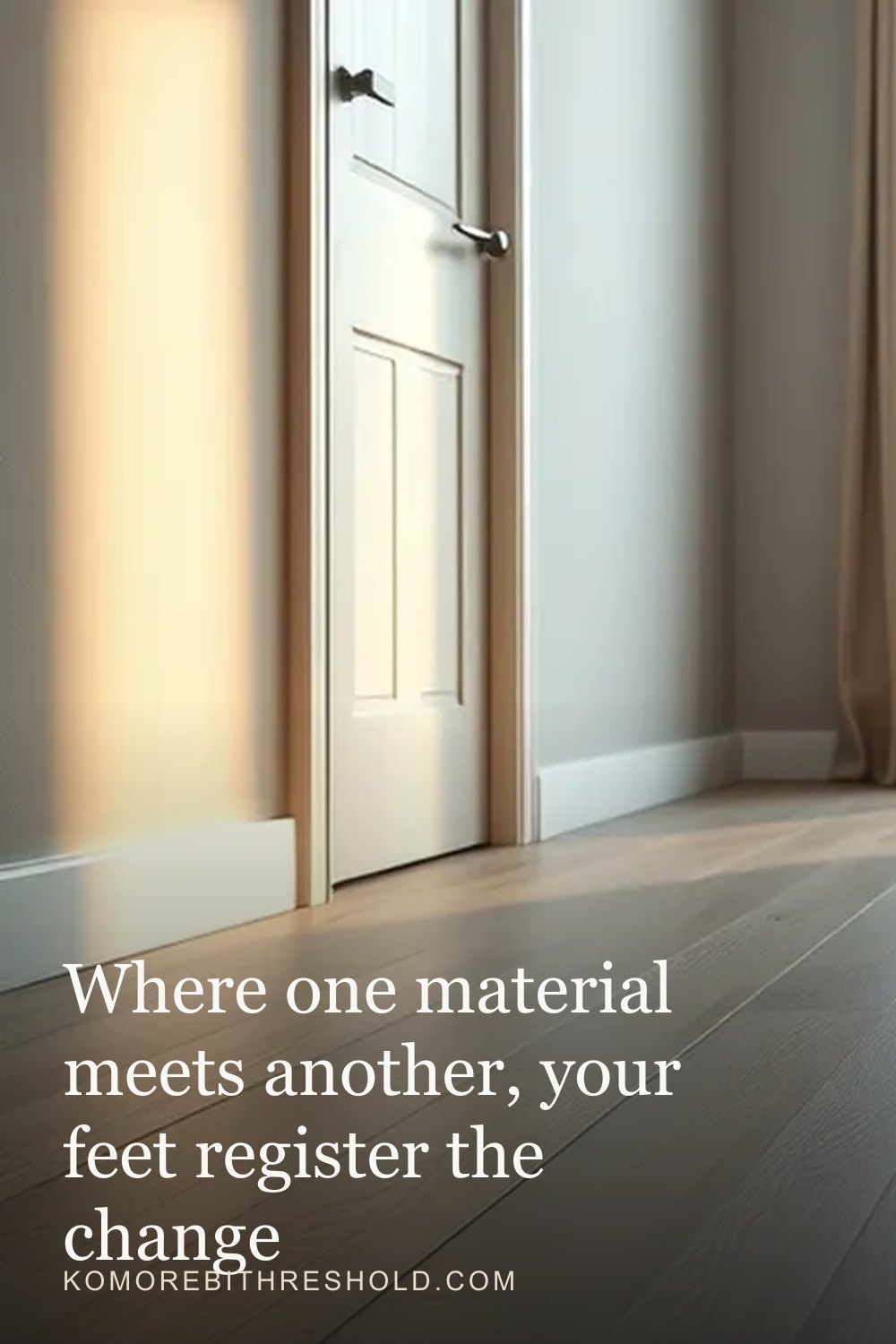
A raised step, a change of floor material or even a rug at the threshold tells your body something is changing. In many Japanese homes, wood meets stone at the door. You can copy it with a different floor texture, a doormat of natural fibre or a strip of stone-effect tile.
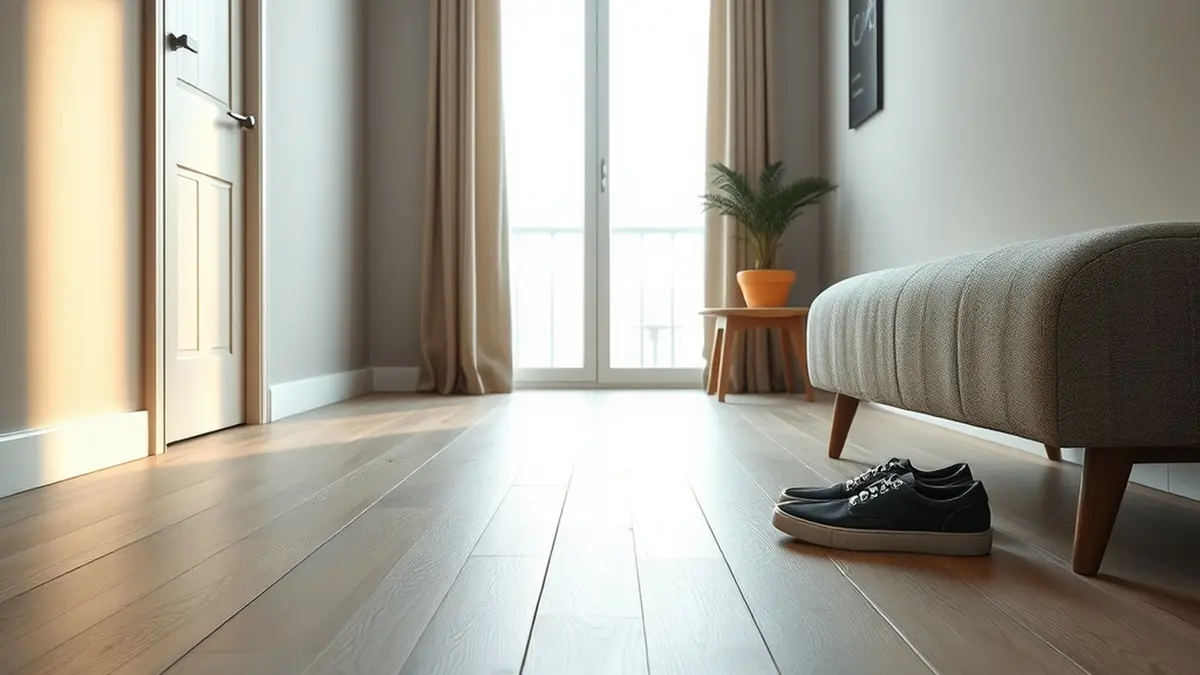
Fix 2: hide what you do not need to see
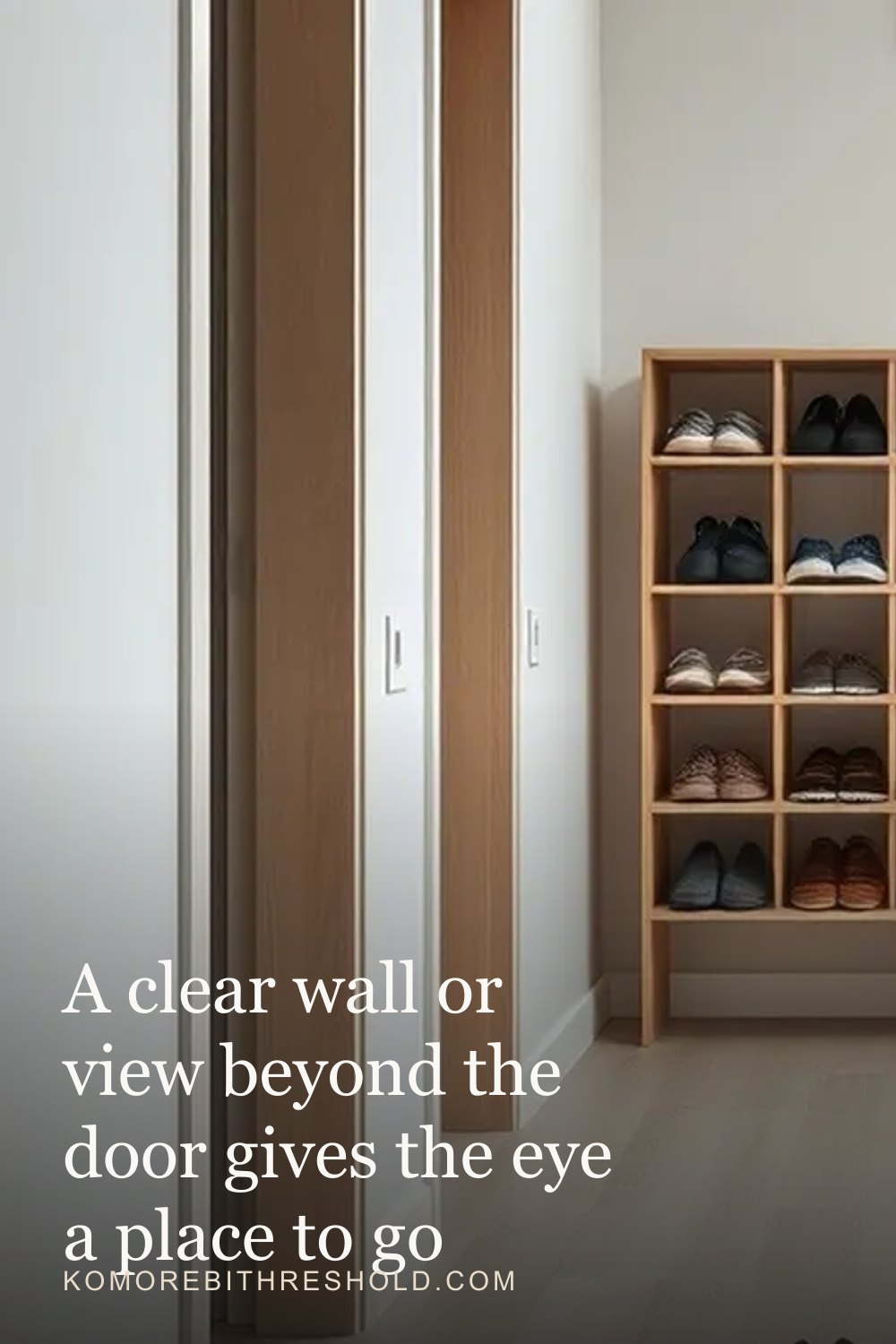
Closed storage near the door takes visual noise out of the first thing you see. A solid cabinet with a well-made door also gives a small, deliberate action: you close it and the clutter is gone. Felt behind doors and inside cabinets mutes the sound too.
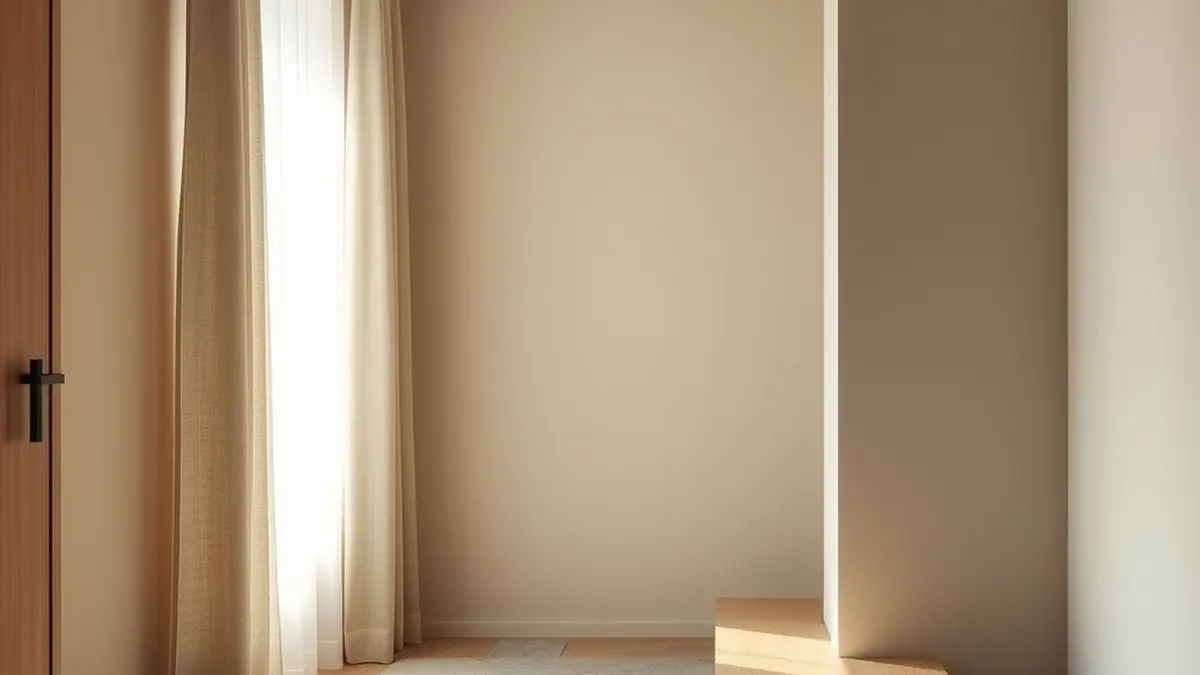
Fix 3: soften the light at the doorway
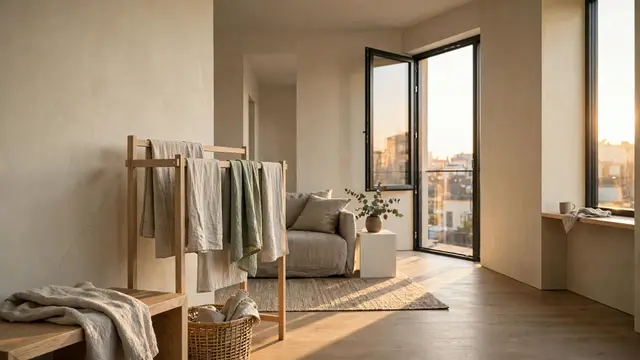
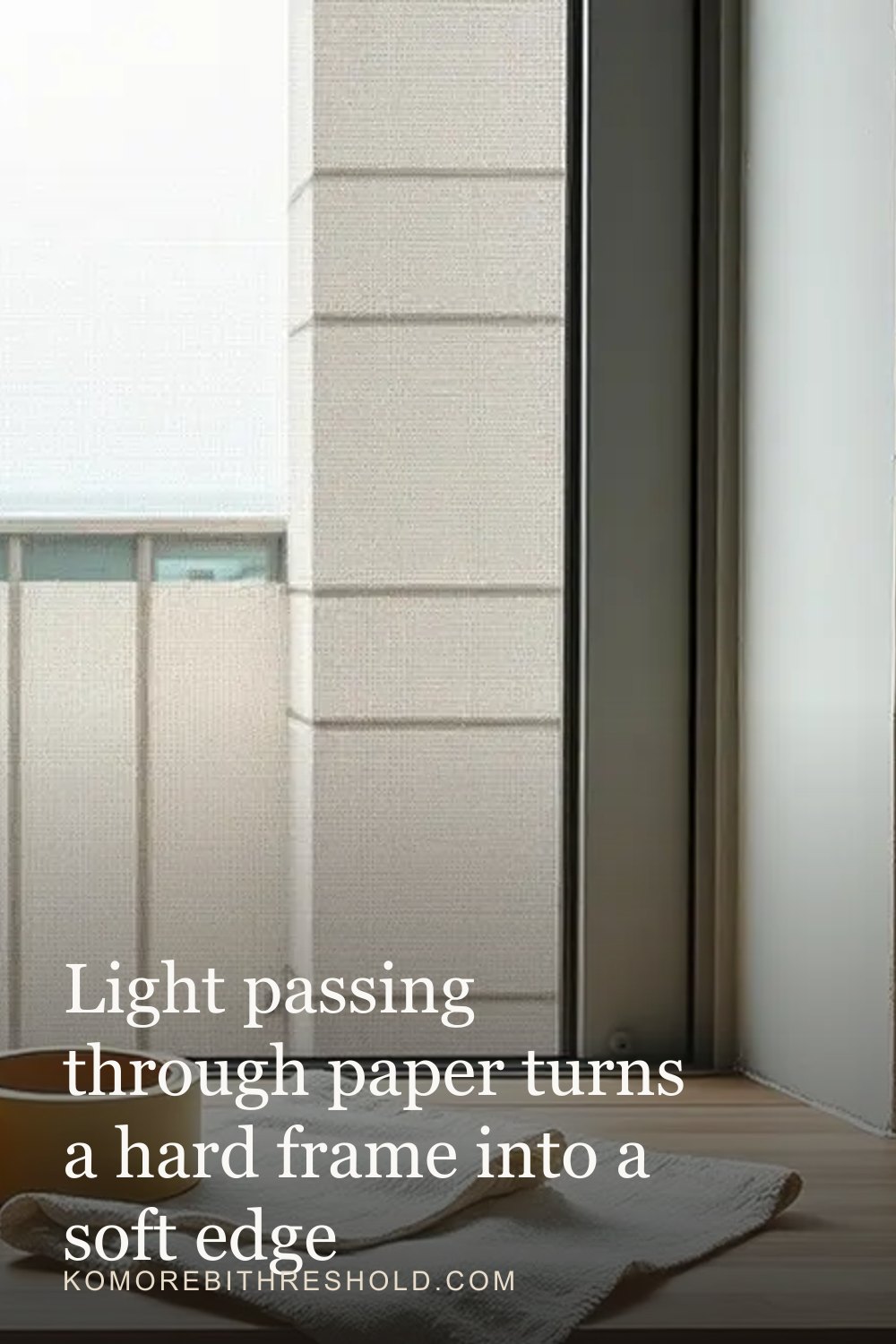
Paper screens spread light so that a doorway edge becomes a gentle transition instead of a sharp line. In a rental, a sheer curtain across an open doorway or a paper lantern nearby gives a similar effect.
Fix 4: keep the sightline calm
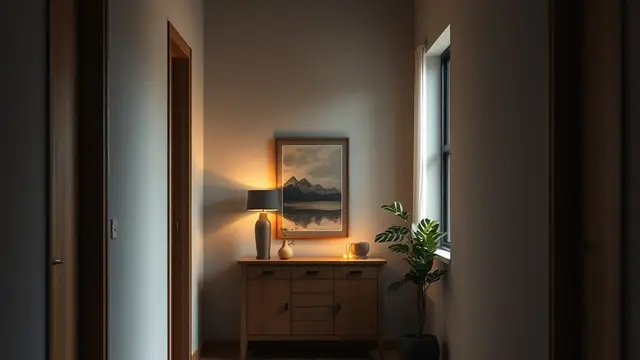
Unbroken sightlines to greenery or a clean wall, with no objects in between, ease the mind as you cross. If you can see a plant or a quiet wall from the doorway, the transition feels shorter and lighter.
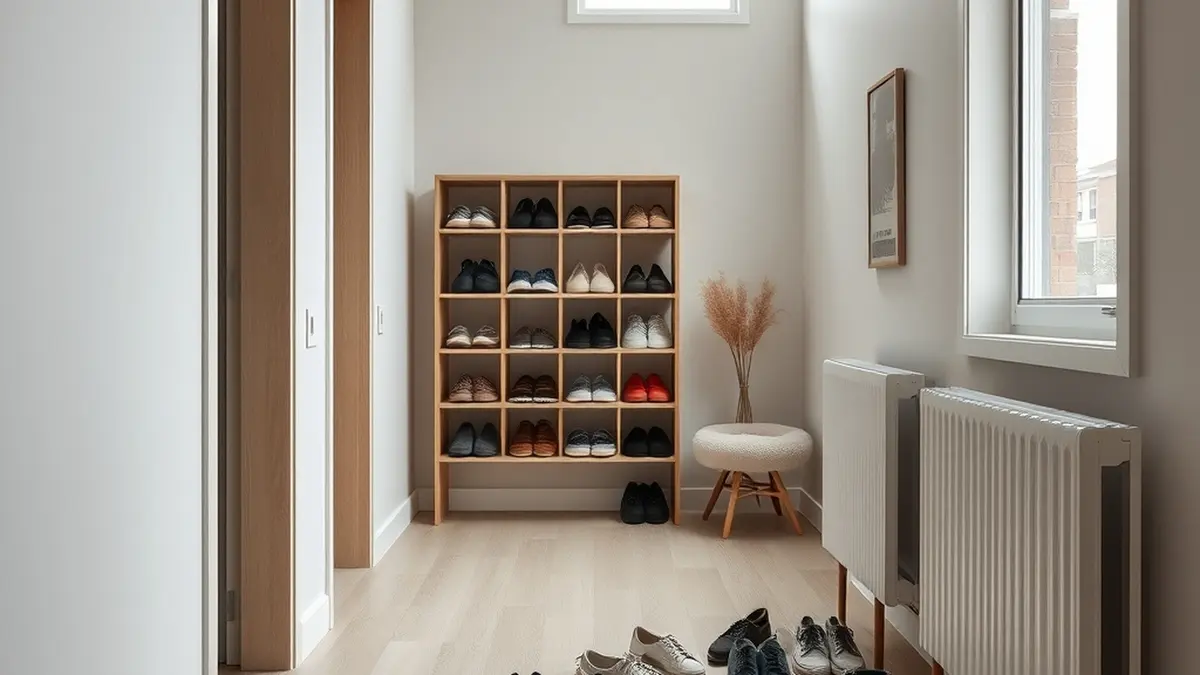
A gentle way to start
- Add a mat of natural fibre at the threshold.
- Clear the floor and wall within one metre of the door.
- Put the rest in a closed cabinet or a lidded basket.
- Soften the light with a sheer curtain or a warm lamp.
You are not building a new entrance. You are adding a small pause, a few quiet materials and less to look at.
Frequently asked questions
Why does my home feel tense when I walk between rooms?
Often because nothing marks the transition: no step, no change of material and a lot to look at. A small pause and clearer sightlines help.
What is a threshold in home design?
It is the point where one space changes into another, such as a front door, a doorway or a step. A good threshold gives a clear pause.
Can I soften a doorway in a rental?
Yes. A rug of natural fibre, a sheer curtain, a closed basket and a clear sightline all work without changes to the building.
What to look for
As an Amazon Associate I earn from qualifying purchases. These links open Amazon search results; we may earn a commission at no extra cost to you. You do not need to buy anything to use this guide.
- Natural fibre doormatMarks the line where outside ends.Search on Amazon
- Lidded woven basketHides small items near the door.Search on Amazon
- Sheer curtain panelSoftens a bare doorway.Search on Amazon
- Wooden shoe benchGives you somewhere to sit and pause.Search on Amazon
Save these ideas
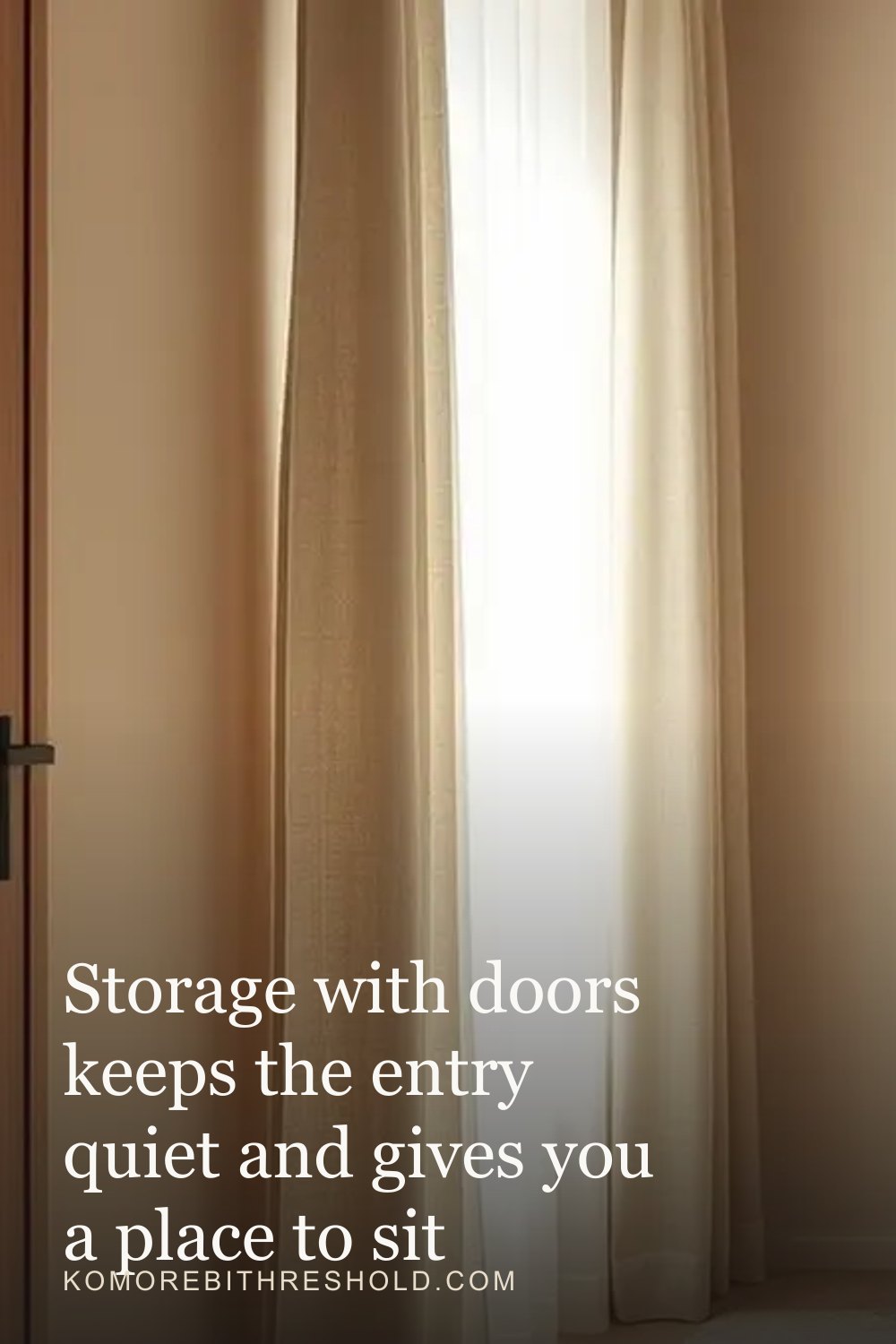
Images in this guide are AI-generated illustrations of the ideas described, not photographs of real homes.