Living Room
Why Your Living Room Feels Cold Even When It Looks Perfect
A clean, styled living room can still feel cold. Glossy surfaces, fake wood and bright ceiling light are usually why. Five textures and one lighting change that warm it up.

Your living room is clean, styled and photographs well, and you still never quite relax in it. Before you blame the furniture, look at what your hands, feet and eyes meet all day: shiny surfaces, hard floors and one bright light overhead.
This guide covers what makes a good-looking room feel cold, and five changes that cost little and need no drilling. They come from the idea at the centre of our video: choose materials for how they feel, not only for how they photograph.
Watch the video version

Prefer to watch? The full walkthrough is on our YouTube channel. Subscribe for a new room guide every week.
Why a perfect room still feels cold
Three things usually stack up.
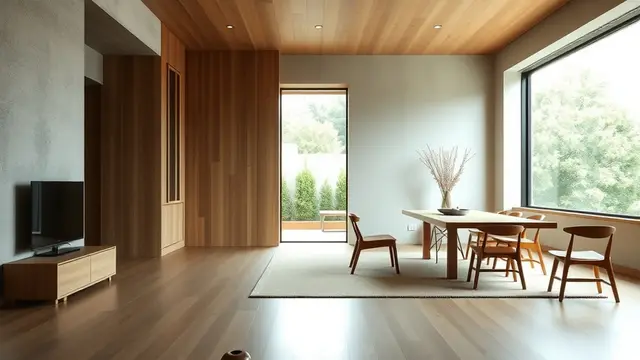
- Glare. A bright ceiling light bouncing off shiny surfaces makes your eyes work without you noticing.
- Echo. Hard empty floors send every sound back, so small noises become constant background.
- Slick surfaces. Plastic laminate and printed fake wood look fine from across the room. Under your fingers they feel lifeless.
None of this shows up in a photo, which is why the room looks right and feels wrong.
Quick test: walk across the room barefoot, then rest your palm on the table and the wall. If everything feels slick and the same temperature, that is the problem.
Fix 1: let wood show its grain
Open-grained natural wood swallows harsh light and gives your eyes somewhere soft to land. Unsealed or lightly finished oak also feels warmer under your hand than a glossy panel.
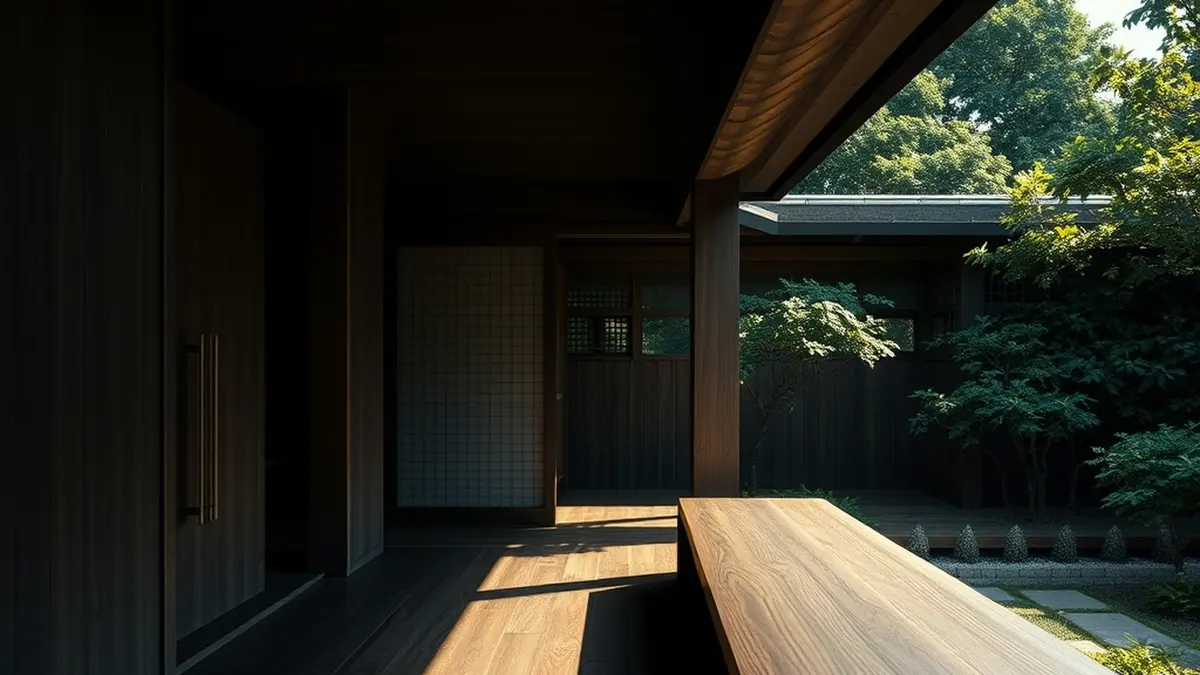
You do not need new floors. Start with one thing you touch every day: a tray, a stool, a cutting board or a small table.
Fix 2: add one woven layer
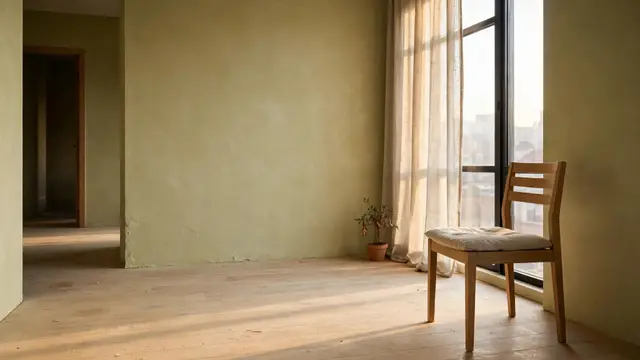
A simple linen cover on a chair or sofa absorbs some of the sound that bounces around a bare room, and it invites you to slow down. One woven piece is enough to start.
Fix 3: soften the daylight
In traditional Japanese homes, paper screens turn blinding afternoon sun into a gentle gradient. You can copy the effect with a sheer white curtain or a paper shade. The glare goes, and you do not need heavy blinds.
Fix 4: choose walls that are not perfectly smooth
Plaster and clay walls have tiny pores that soften echoes. You cannot repaint a rental in clay, but you can hang a textile or a large piece of rough ceramic. Anything with texture helps the room sound and look softer.

Fix 5: make the doorway a pause
In the video we look at the genkan, the small sunken entrance where shoes come off. A step down, raw wood underfoot and one place for shoes tell your body the outside day is over.

A rental will not let you dig a step, but a mat, and a low tray for shoes do the same job: they mark the line.

What to do this weekend
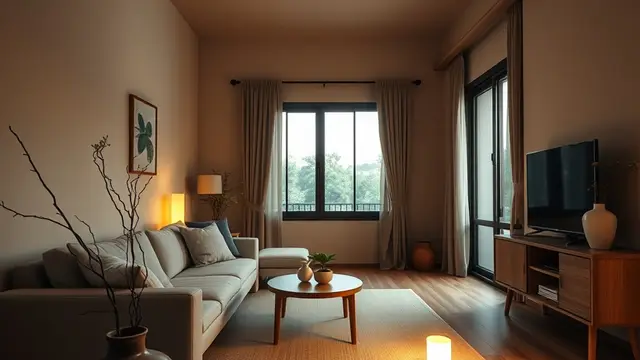
- Turn off the ceiling light after dinner and use warm lamps.
- Replace one slick object with a natural-material one.
- Add a linen cover where you sit most.
- Put a mat and a tray at the front door.
Stick to two or three honest materials, such as wood, linen and unglazed ceramic. More than that and the room starts to feel busy again.
Real minimalism is not cold emptiness. It is how softly a room holds your day.
Frequently asked questions
Why does my living room feel cold when it looks warm?
Usually it is the surfaces and the light, not the colour. Glossy floors, fake wood and a bright ceiling light make a room feel sharp, even when the palette is warm.
What is the cheapest way to make a room feel warmer?
Swap one slick surface for a natural one and add warm lamps. Both are renter-friendly.
Do I need real wood?
Real grain feels different, but you can start small: a tray, a stool or a board. One honest texture is better than a dozen imitations.
What to look for
As an Amazon Associate I earn from qualifying purchases. These links open Amazon search results; we may earn a commission at no extra cost to you. You do not need to buy anything to use this guide.
- Linen sofa throwA woven layer that softens sound and feels good to hold.Search on Amazon
- Wooden serving trayReal grain near where you sit.Search on Amazon
- Warm table lampReplaces the harsh ceiling light in the evening.Search on Amazon
- Shoe trayGives the front door one clear stopping place.Search on Amazon
Save these ideas




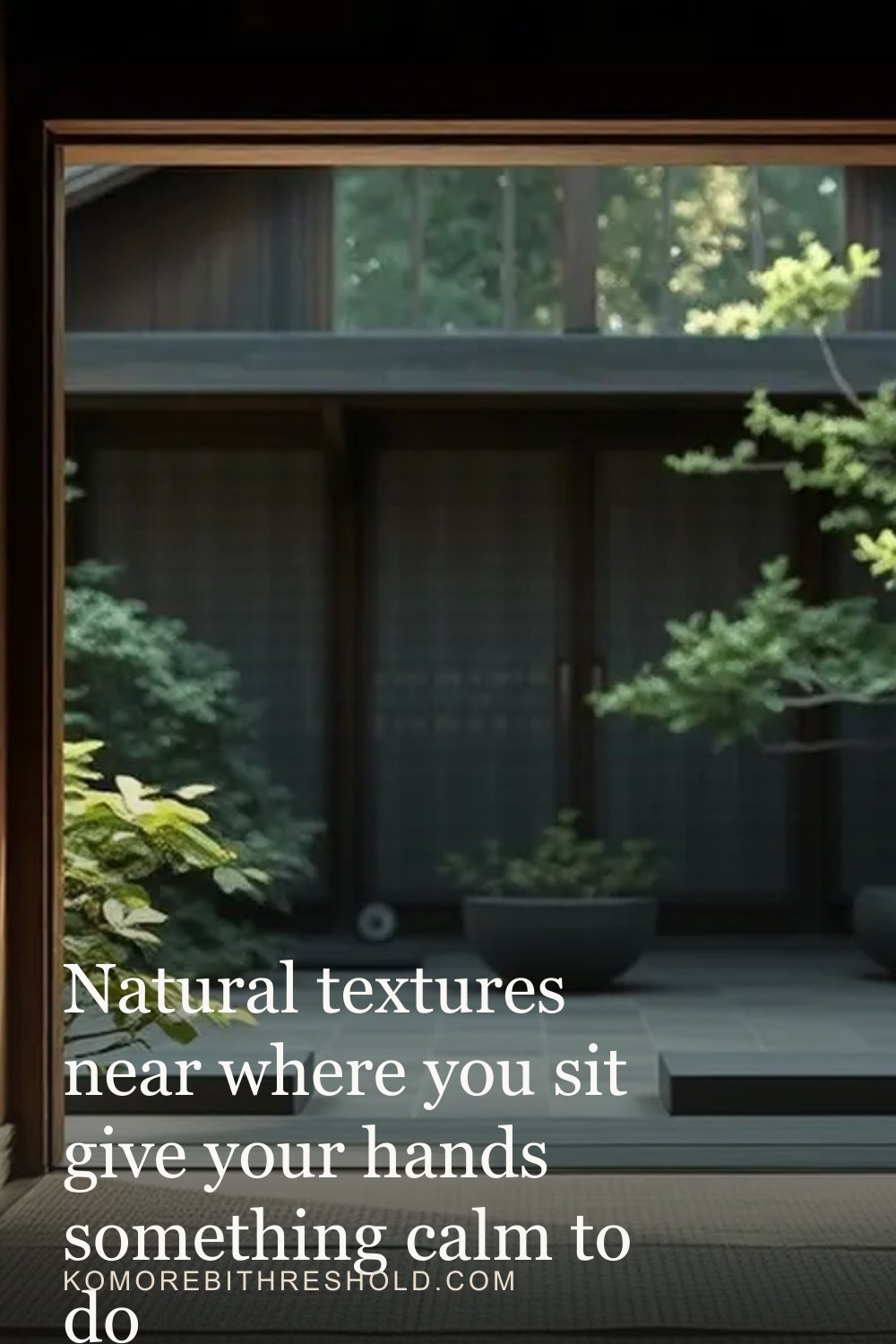
Images in this guide are AI-generated illustrations of the ideas described, not photographs of real homes.