Quiet & Light
Why a Bare Wall Makes Your Home Feel Tiring (and What to Do About It)
Flat walls and visible clutter can make a room tiring to live in. Textured surfaces, closed storage and quiet contrast calm it down, even in a rental.
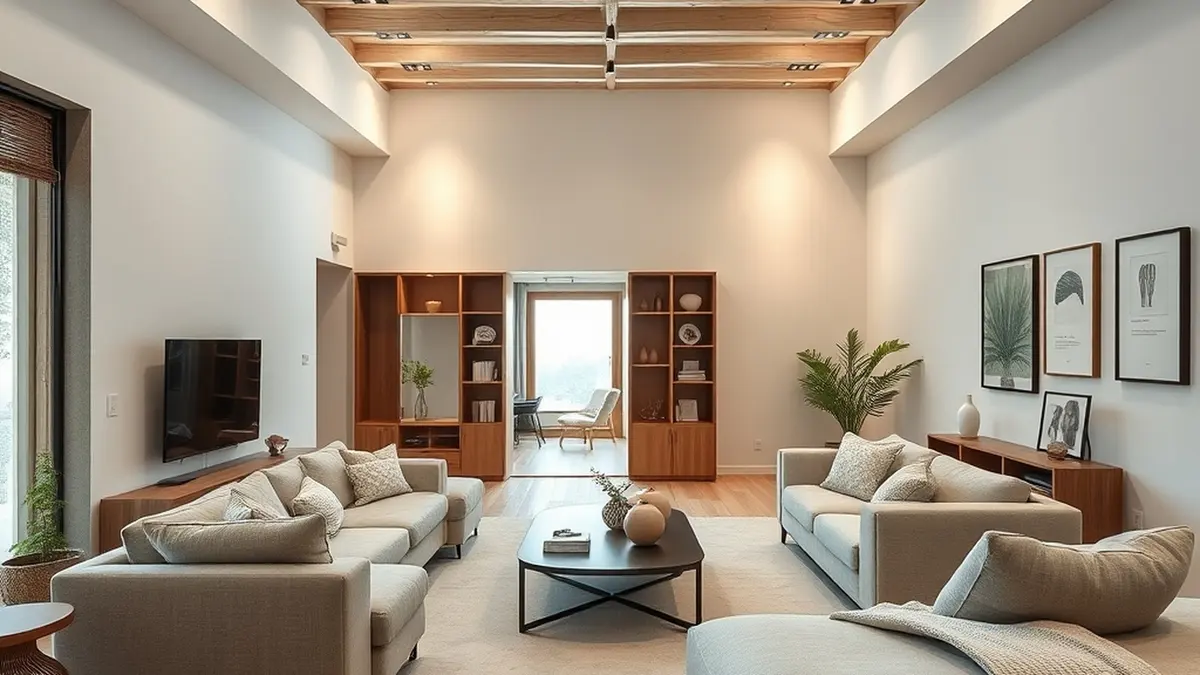
You come home, sit down and feel tired in a way that is not about your day. Often the room is doing it. Flat walls, open shelves and objects in every sightline make your eyes keep working even when you are still.
This guide covers what that looks like in a normal home and four changes you can make without painting or drilling. They come from the ideas in our video on texture, boundaries and visual quiet.
Watch the video version

Prefer to watch? The full walkthrough is on our YouTube channel. Subscribe for a new room guide every week.
What a tiring wall actually does
When surfaces are flat and sharp-edged, your eye jumps from edge to edge. When objects pile up in your sightline, each one asks for a little attention. Neither feels like much. Together, over an evening, they add up.
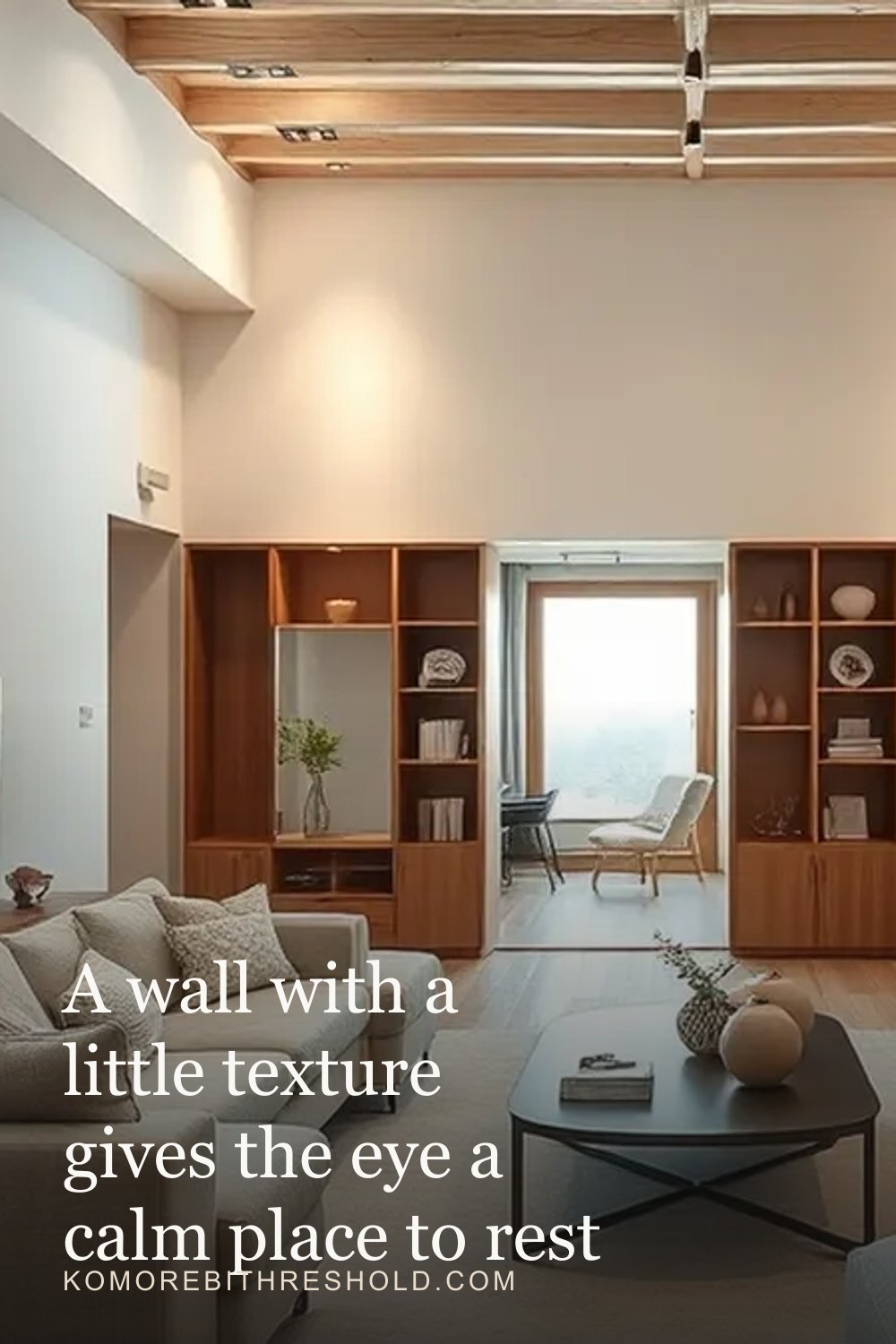
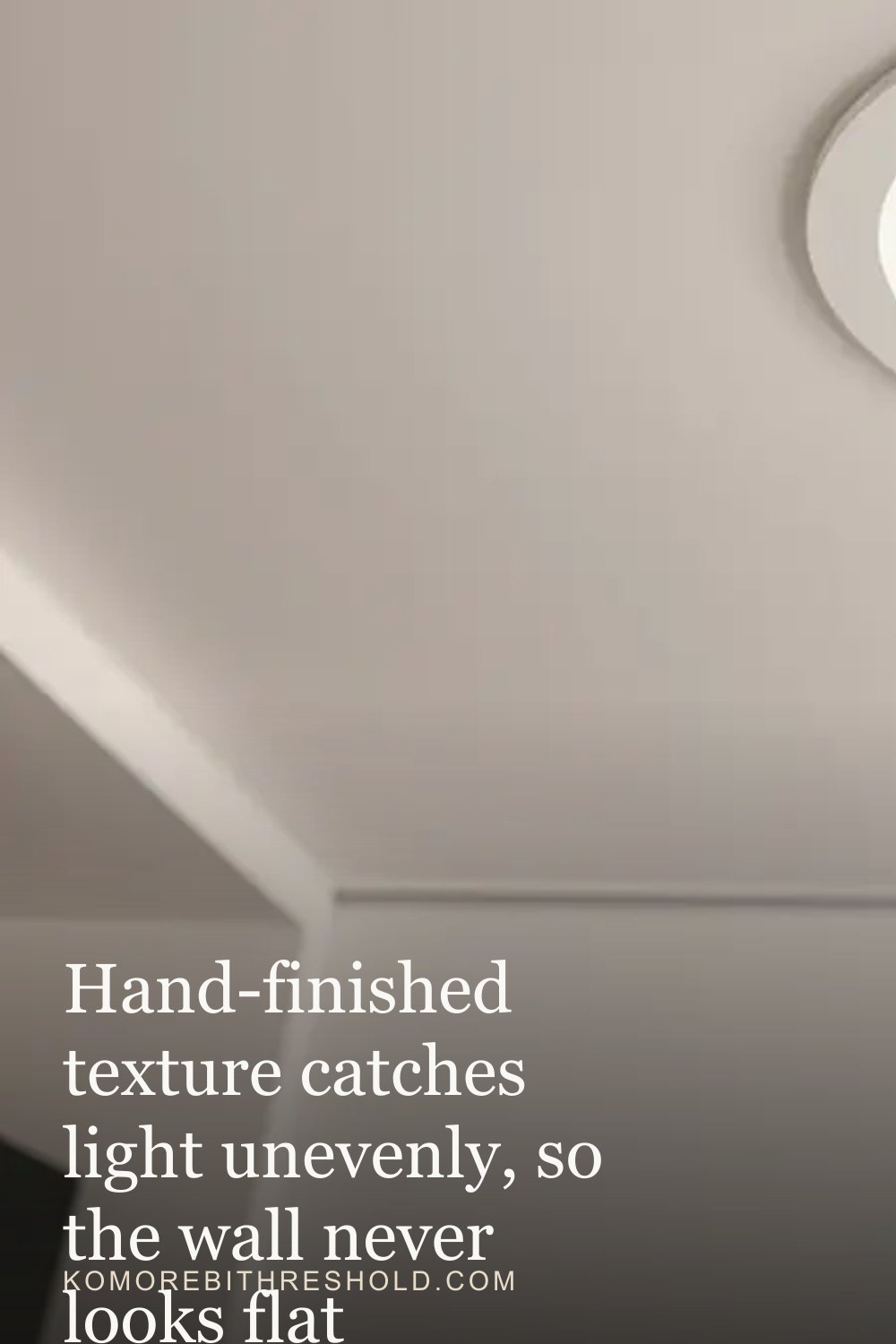
Texture works the other way. A plaster or woven surface spreads the light and gives your eye a single soft area to follow, instead of many hard lines.
Quick test: sit where you usually sit and look around slowly. Count how many separate edges and objects your eye lands on before it settles. If it never settles, that is your tiring spot.
Fix 1: give one wall some texture
Rough plaster, lime wash or a woven wall hanging all do the same job: they take the glare off a flat wall. In a rental, a large textile or a framed piece of rough paper does it without touching the paint.
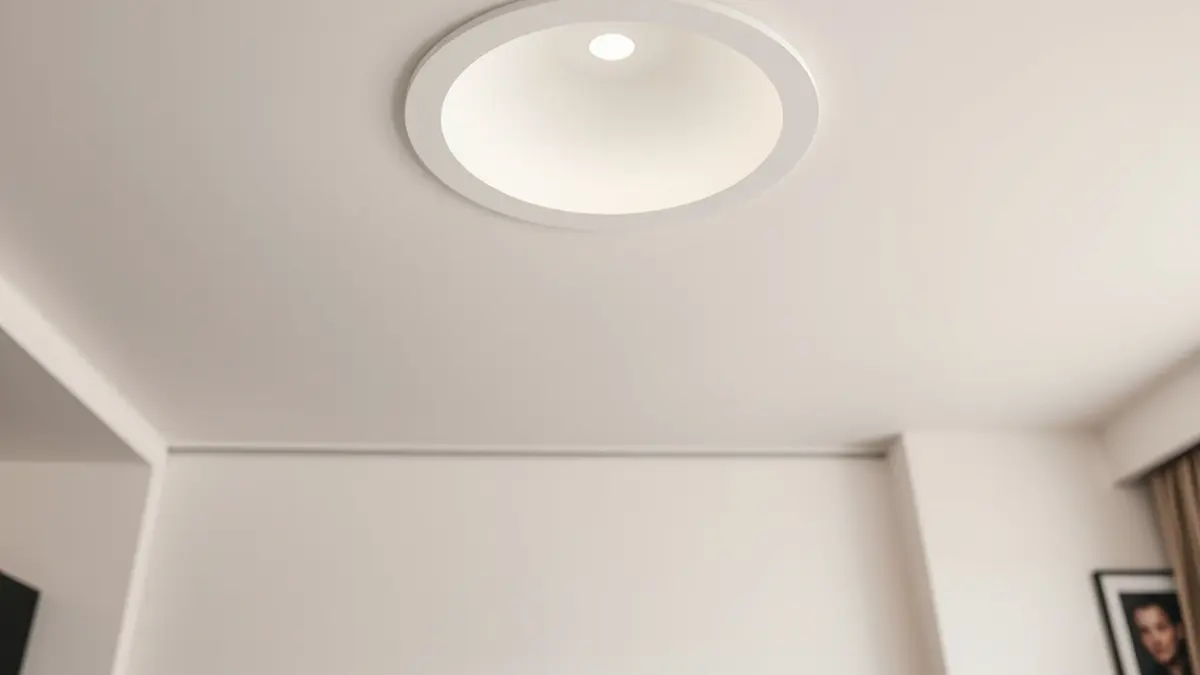
Fix 2: close the storage
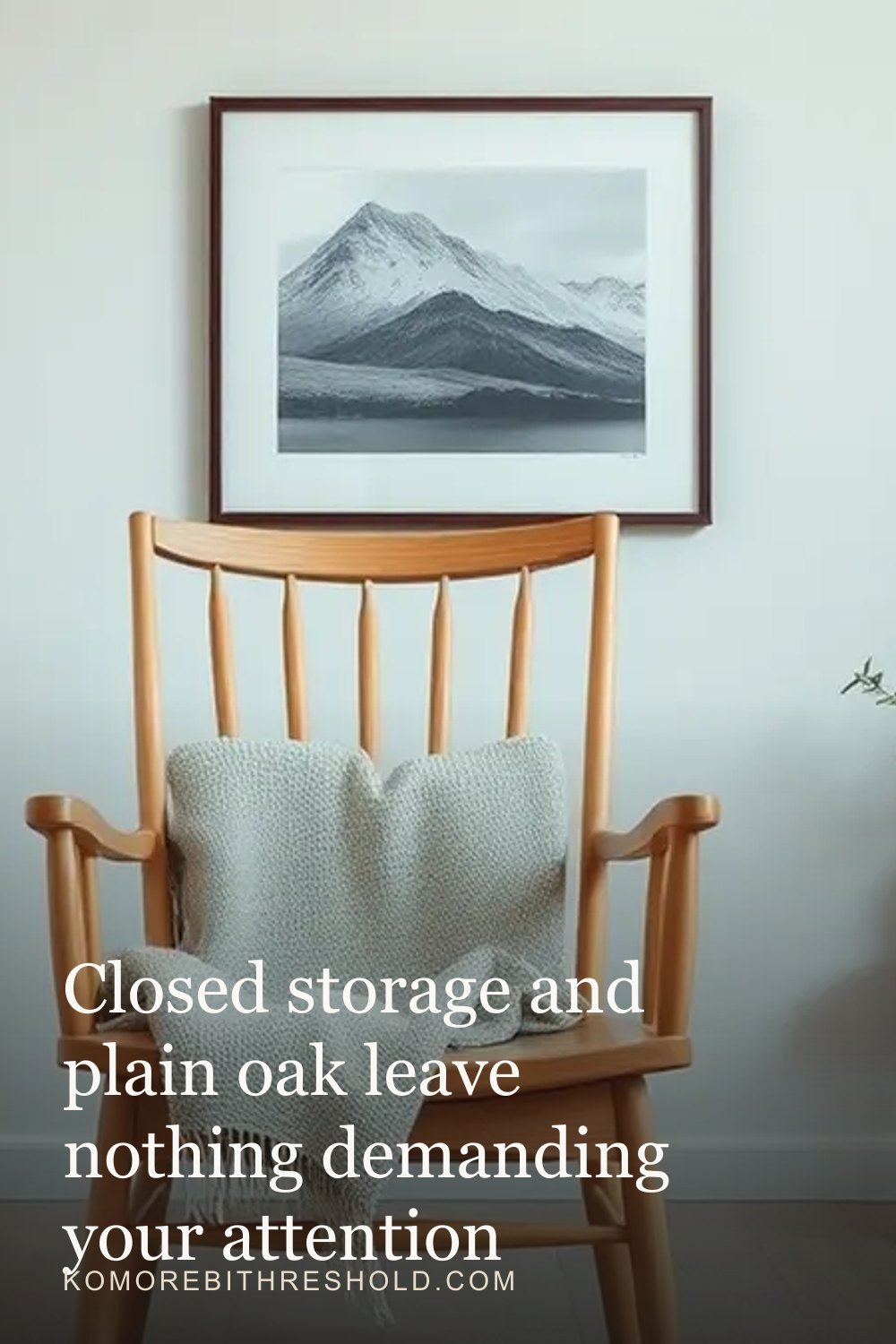
Open shelves put every object in your sightline. Closed cabinets turn them into one calm surface. If you cannot replace shelving, a box or a basket with a lid works for the clutter you see most.
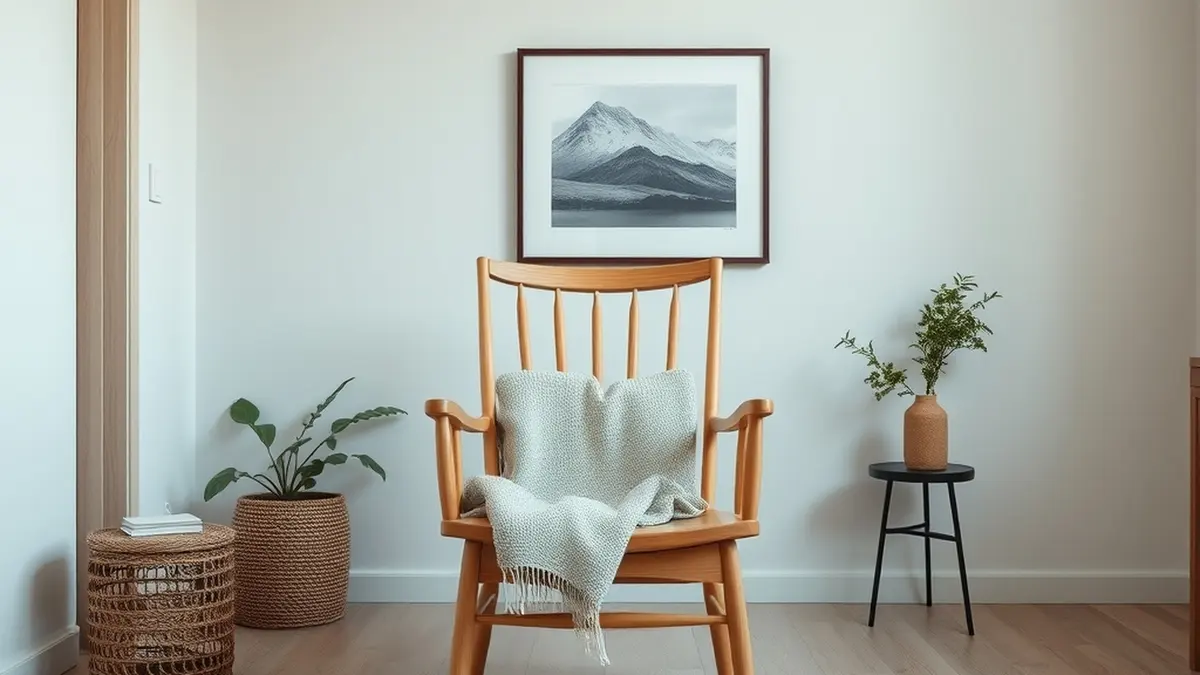
Felt on the inside of a drawer or cabinet door also quiets the thud when it closes.
Fix 3: soften the light
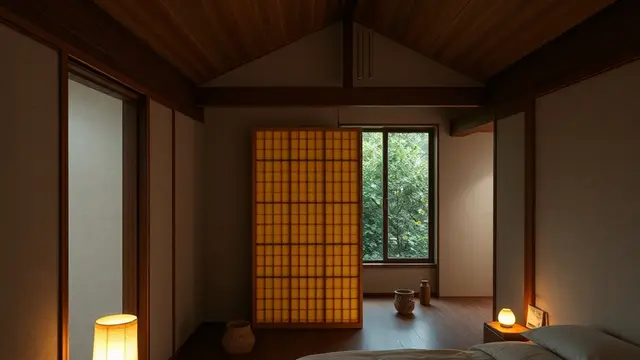
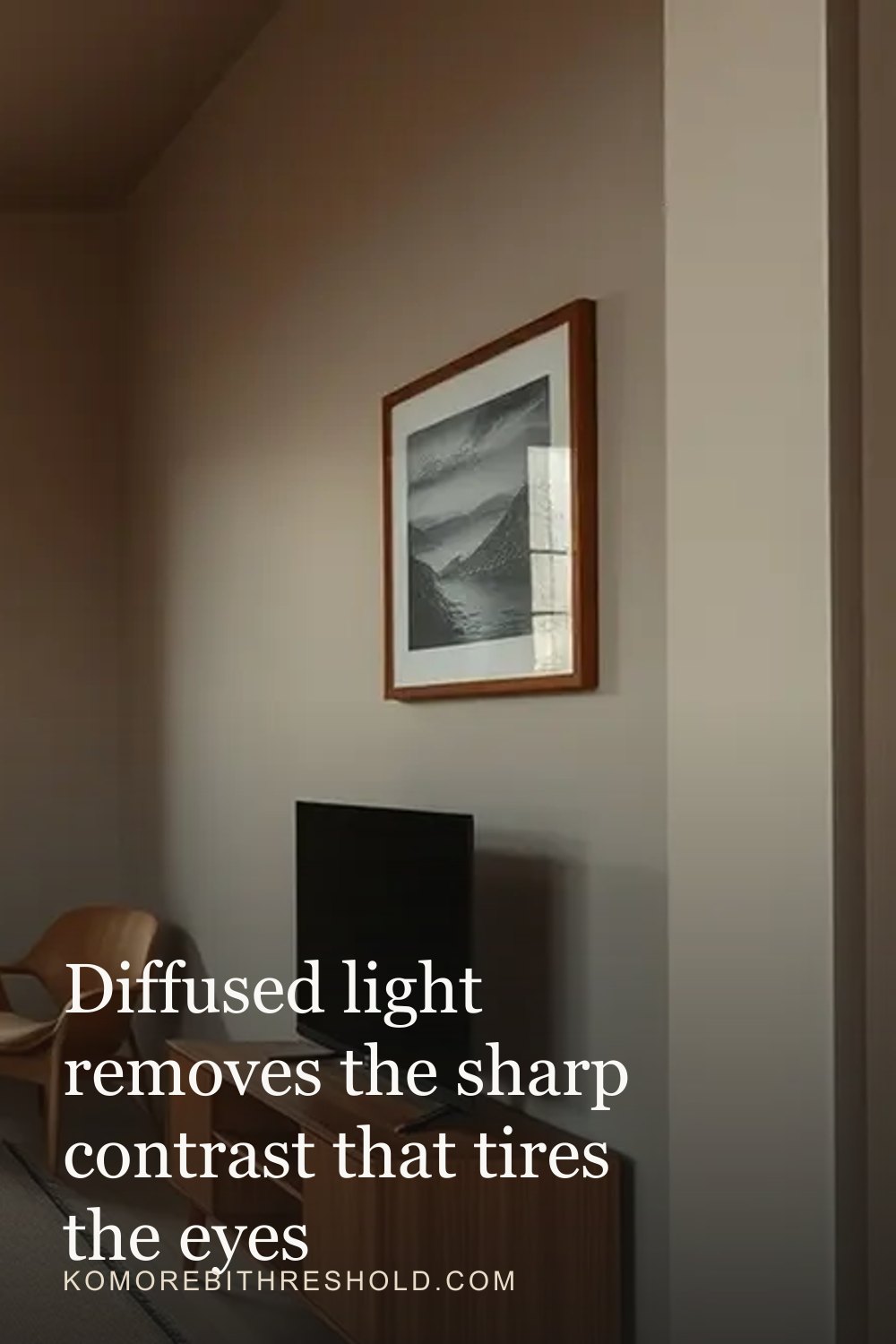
Paper screens spread light gently across a room, which cuts glare when you read or cook. A sheer curtain or a paper shade does something similar. Light that hits a textured wall also looks softer than light hitting a flat one.
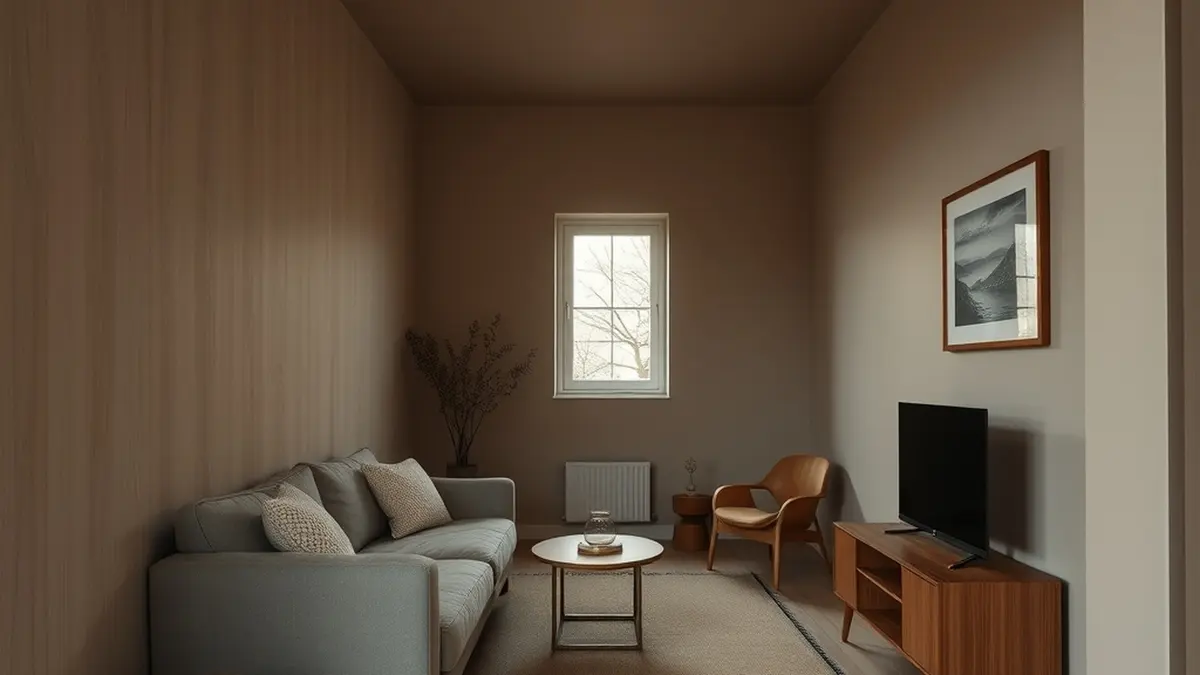
Fix 4: keep contrast gentle
Muted wall tones with one bright accent, a plant or a coloured cushion, give the eye relief without a busy pattern. The aim is a quiet room with one thing to look at, not a room with nothing in it.
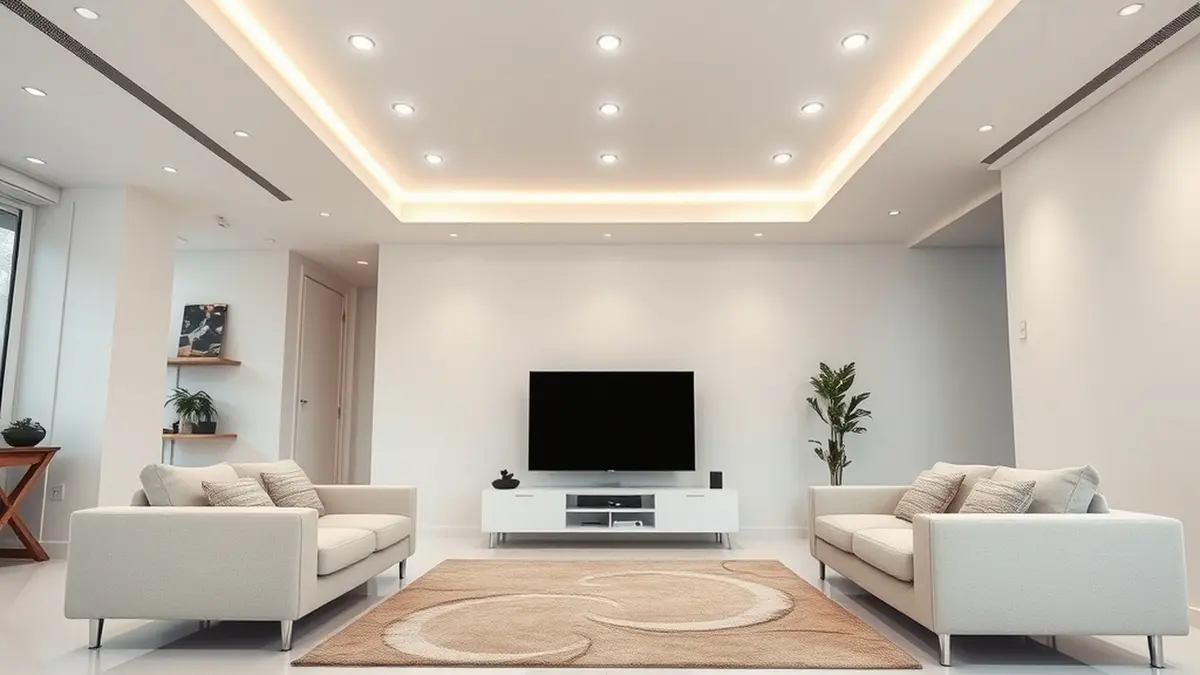
A simple order to try
- Clear one surface you can see from where you sit.
- Put the rest into closed storage.
- Add one textured piece to the biggest flat wall.
- Use a sheer curtain or a warm lamp to soften the light.
If the room still feels tiring after that, remove one more object. The goal is a room that rests your eyes, not a room that wins a styling contest.
Frequently asked questions
Why does my home feel tiring even when it is tidy?
A tidy room can still have flat walls, shiny surfaces and many separate edges in view. Texture and closed storage reduce what your eyes have to process.
Can I add wall texture in a rental?
Yes. A large textile, a woven hanging or a framed piece of rough paper adds texture without paint or drilling.
Is bare minimalism worse than a styled wall?
Not by itself. A bare wall with soft light is fine. The problem is flat, glaring surfaces combined with visible clutter.
What to look for
As an Amazon Associate I earn from qualifying purchases. These links open Amazon search results; we may earn a commission at no extra cost to you. You do not need to buy anything to use this guide.
- Woven wall hangingAdds wall texture without paint.Search on Amazon
- Lidded storage basketHides the clutter in your sightline.Search on Amazon
- Sheer linen curtainSoftens harsh daylight.Search on Amazon
- Felt drawer linerQuiets drawers and cabinet doors.Search on Amazon
Save these ideas
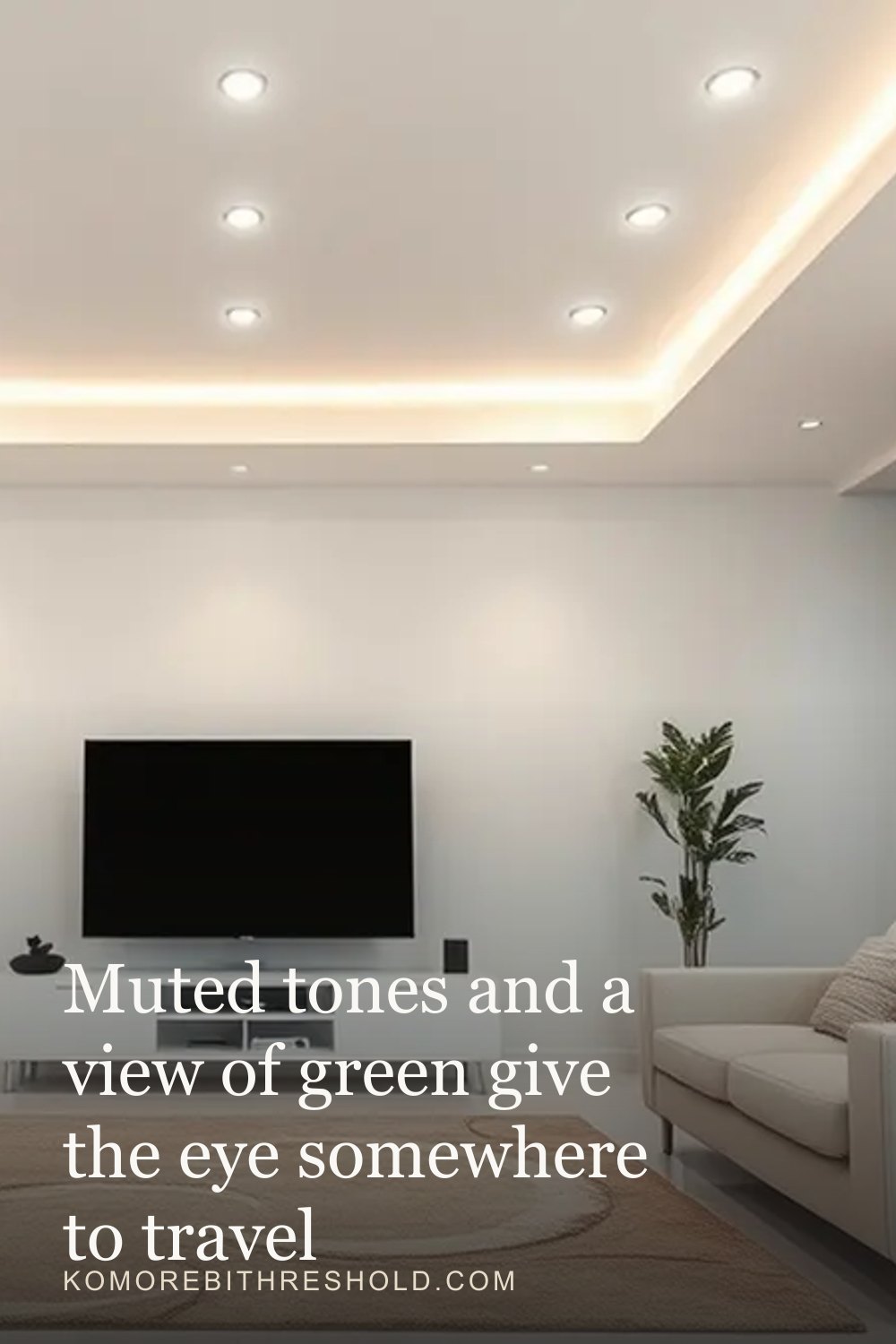
Images in this guide are AI-generated illustrations of the ideas described, not photographs of real homes.