Quiet & Light
Soft Light at Home: How Paper Screens and Shadows Calm a Room
Diffused light calms a room more than bright light does. Learn how shoji-style screens, matte walls and deep eaves turn glare into a soft gradient.
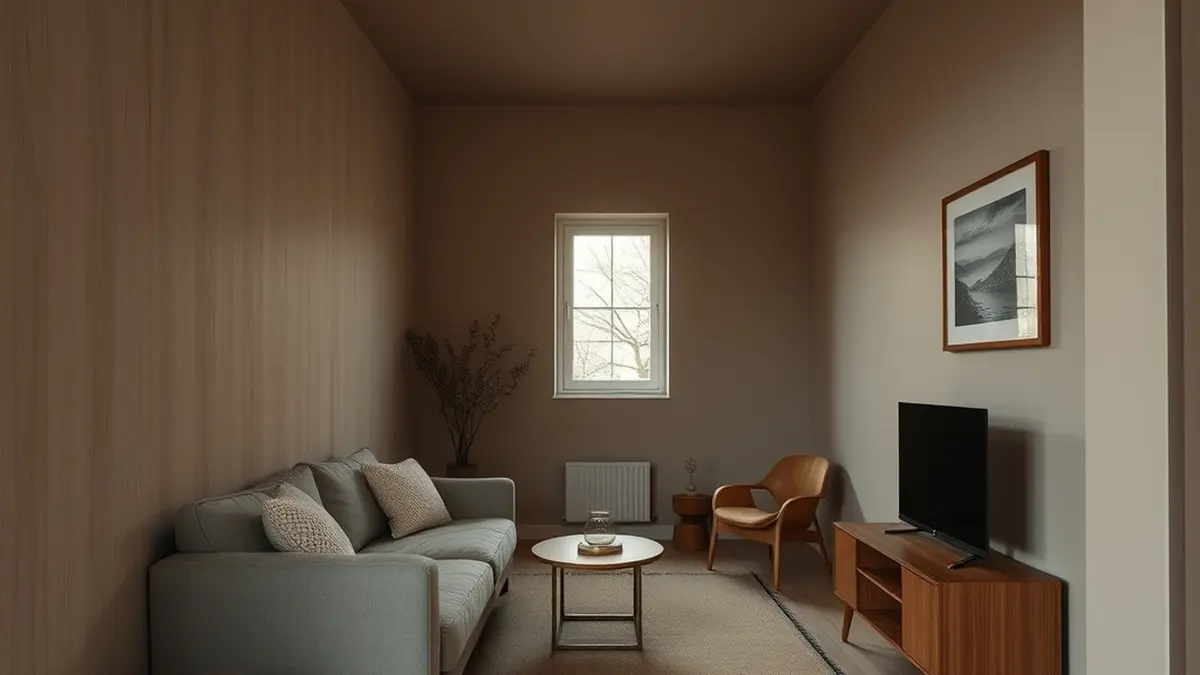
A west-facing room can feel harsh at four in the afternoon: one bright rectangle on the floor, a glare on the TV and a wall too dark to look at. You close the blinds and the room turns gloomy. You open them and your eyes squint.
The room does not need more or less light. It needs the light to arrive more gently.
Watch the video version

Prefer to watch? The full walkthrough is on our YouTube channel. Subscribe for a new room guide every week.
What a paper screen does
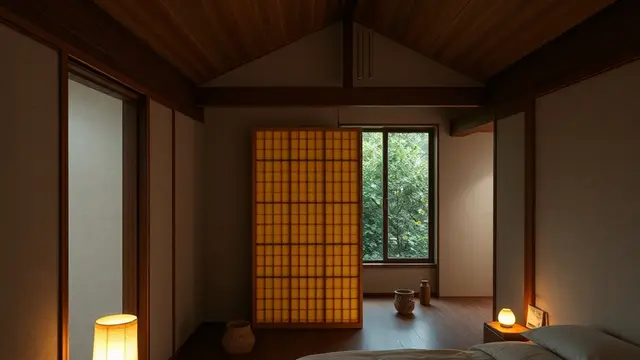
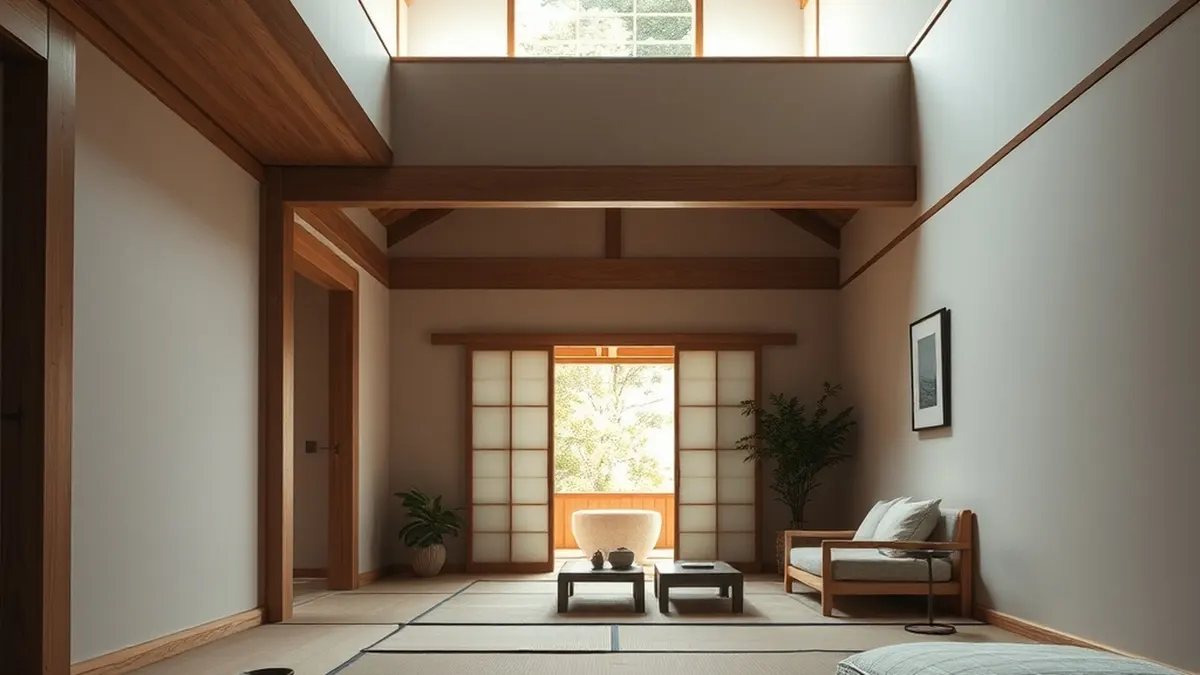
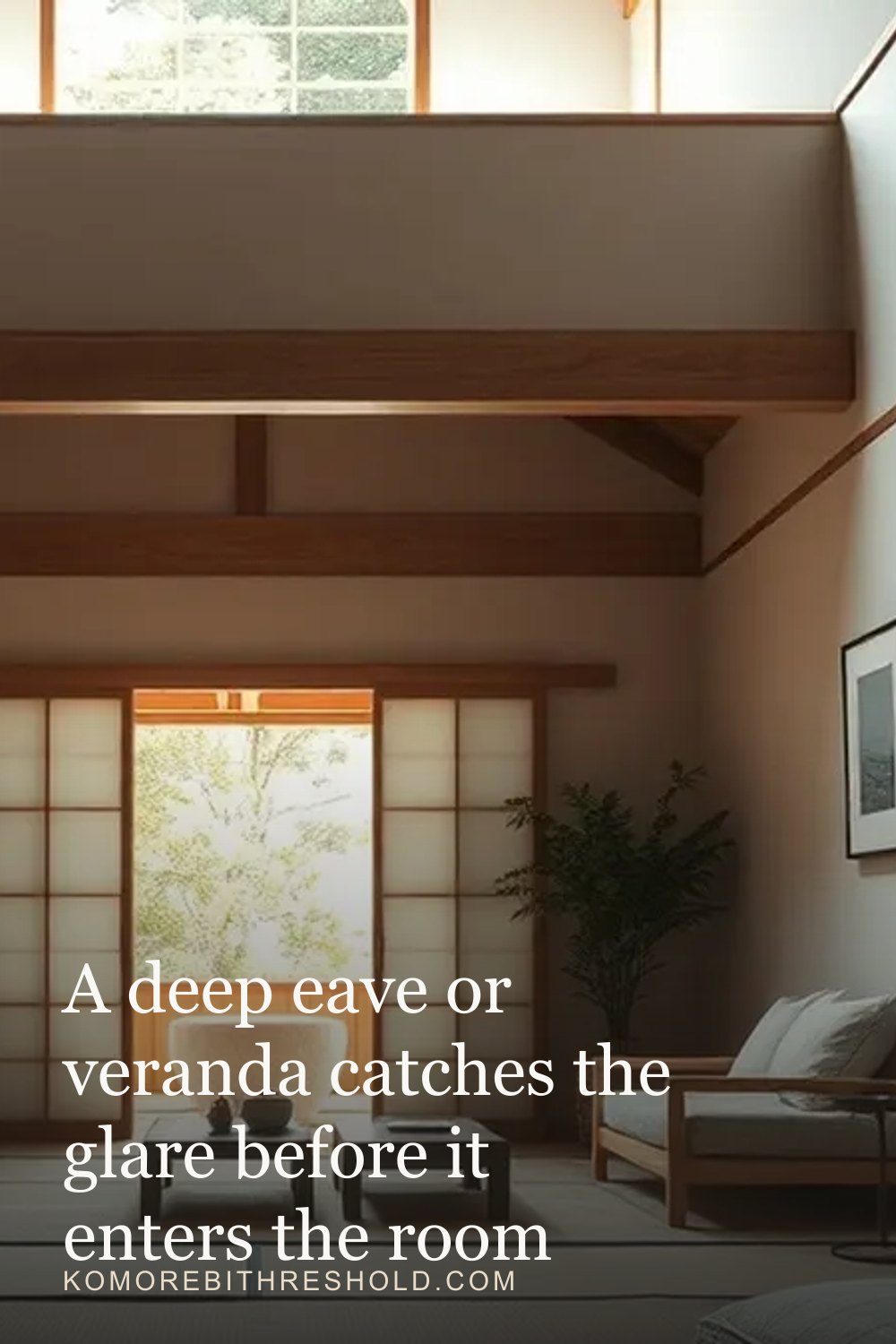
In traditional Japanese rooms, windows are often covered by translucent paper screens called shoji. Light passes through, spreads out and loses its hard edge. The room is bright without bright spots, and you see the garden as a soft shape instead of a glare.
You do not need to install anything traditional. You need to do the same job with what you have: diffuse the light, and keep the shadow.
Four ways to diffuse light
- Sheer layers. A white linen or cotton sheer at the window spreads light and cuts glare. Keep it clear of radiators and open flames.
- Window film. Frosted or rice-paper-style film on the lower half of a window gives privacy and softens the view without losing light. Test a small corner first, and check the product is safe for your glass.
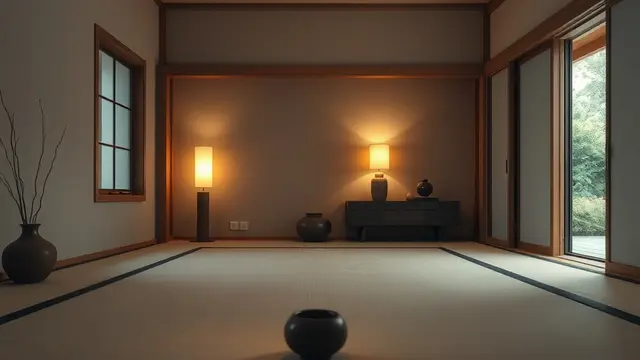
- A paper or fabric lamp. A lantern-style shade turns a bulb into a glowing surface. Choose a warm bulb and keep it away from the paper.
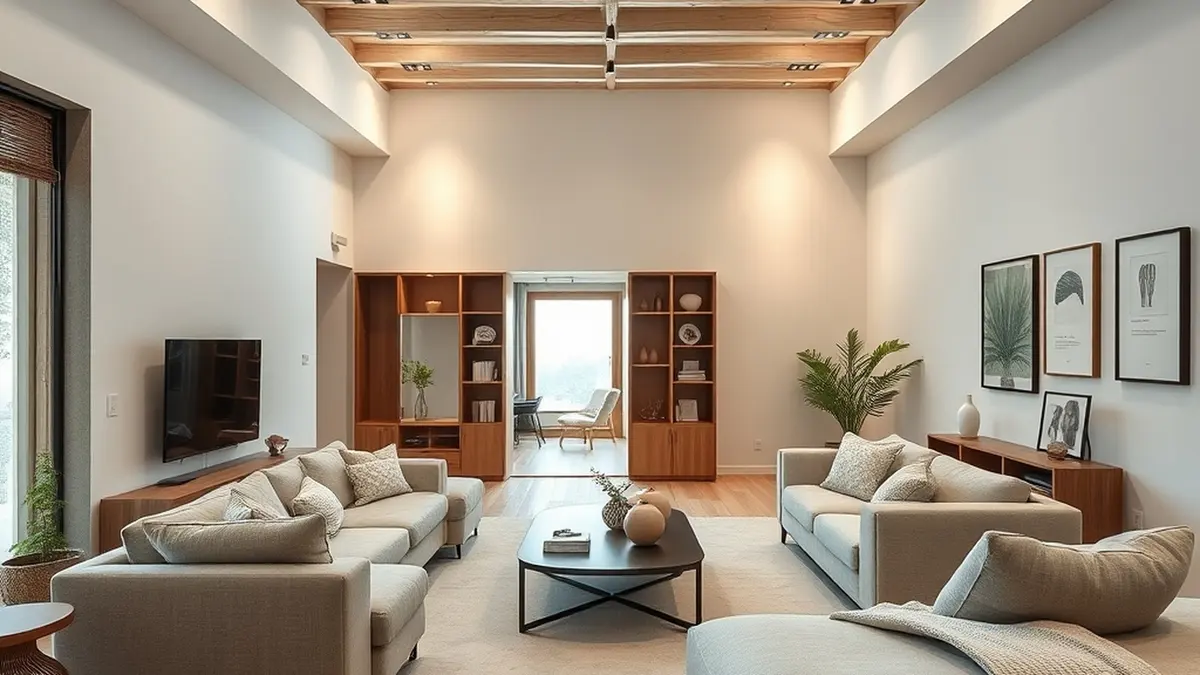
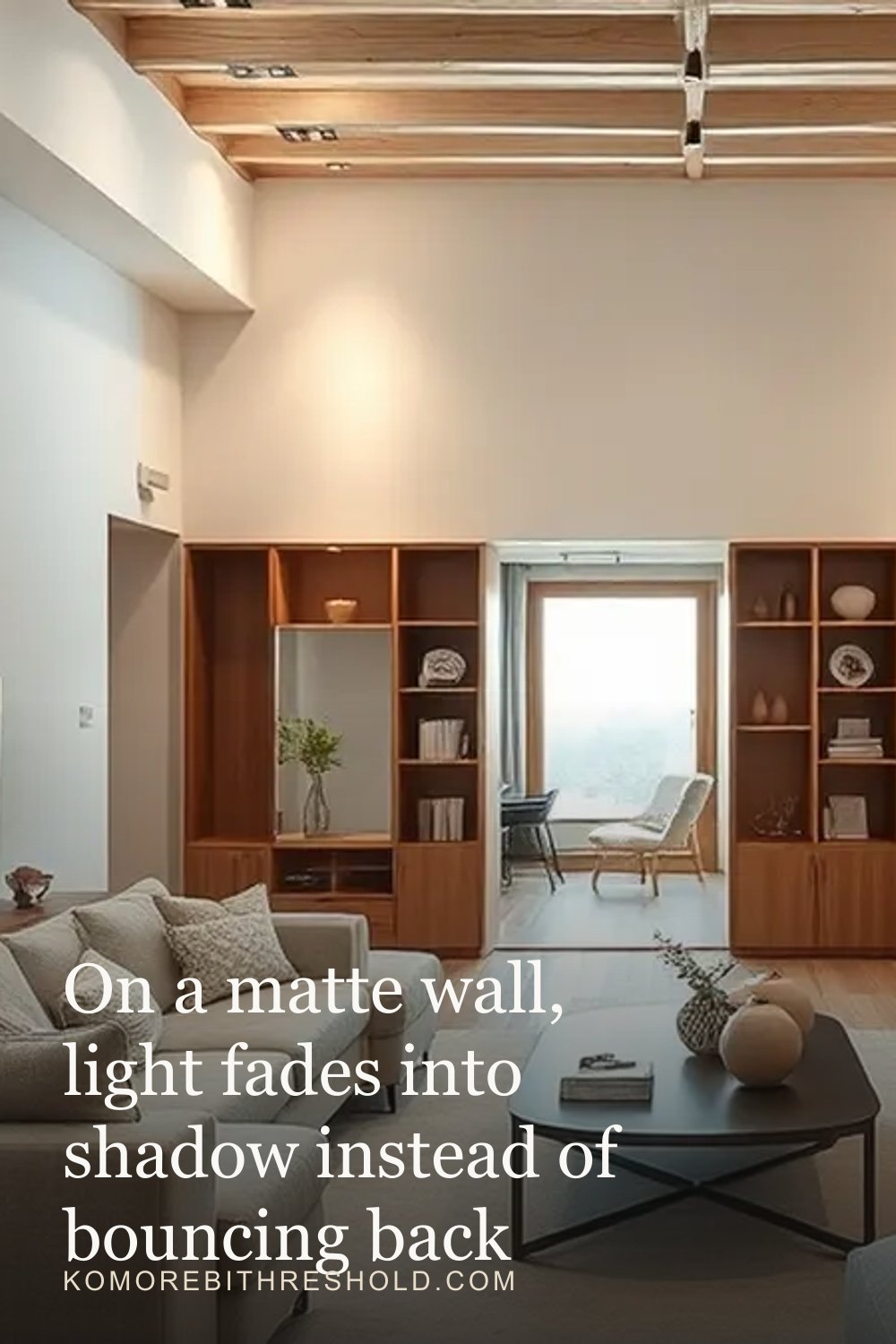
- Light-coloured, matte walls. Matte plaster or limewash scatters light. Glossy paint creates reflections and hot spots.
Keep some shadow
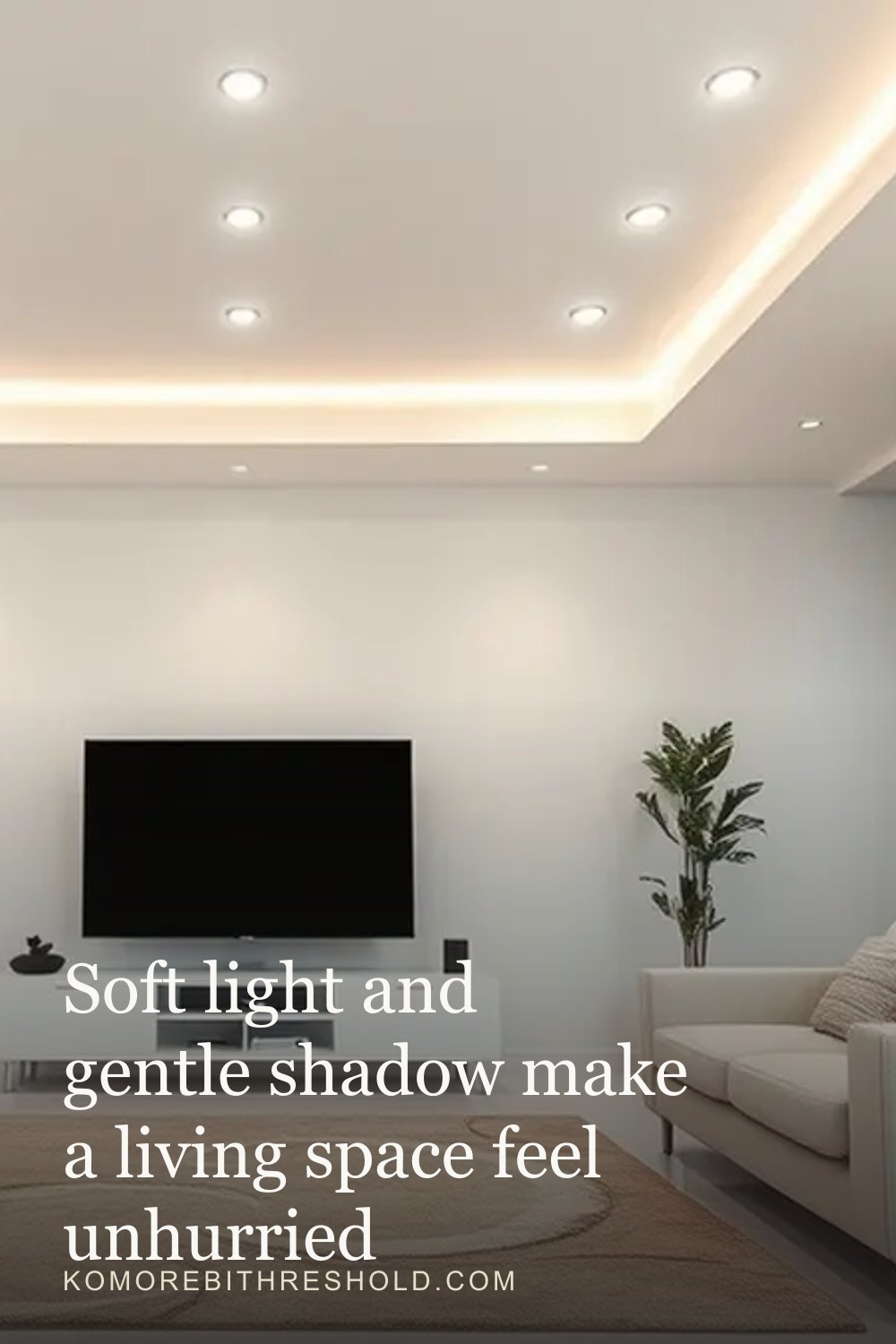
Shadow is not the enemy. A room with no shadow has no depth. Soft shadow:
- shows the texture of a wall or a woven rug
- lets the eye rest between bright areas
- gives the room an edge in the evening
Resist the urge to light every corner. A corner left slightly dim often makes the lit areas feel richer.
Use depth, not just fabric
Deep eaves, a veranda or even a deep window recess keep direct sun off a wall. If you cannot change the architecture, a deep curtain pole position (wider than the window) and a long fabric can do part of that job. Place a plant or a low bench where the window light lands, so the light has something to fall on.
What to avoid
- Dark blackout curtains in the day. They make the room gloomy rather than soft.
- Glossy floors facing the window. They reflect the sun straight back.
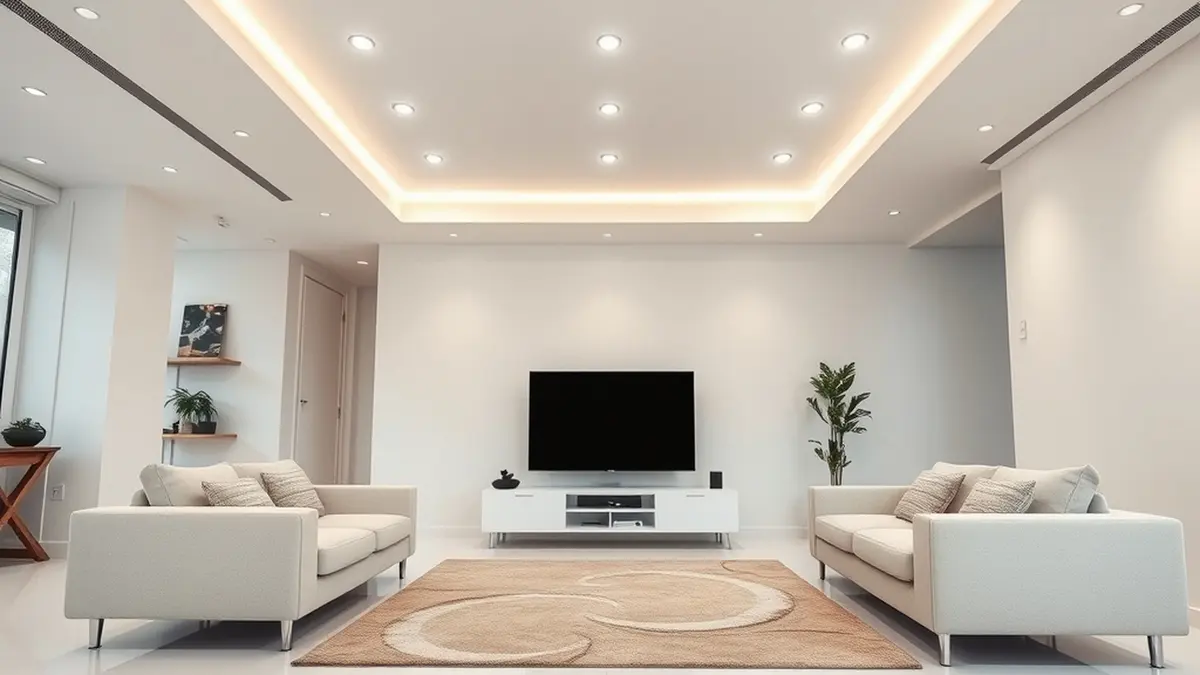
- Lots of small light sources. They create many hard shadows.
- Tape-on privacy film applied unevenly. Bubbles and gaps look worse than clear glass.
If your evening light is the main problem, read why your evening lights feel harsh.
What to look for
As an Amazon Associate I earn from qualifying purchases. These links open Amazon search results; we may earn a commission at no extra cost to you. You do not need to buy anything to use this guide.
- Linen sheer curtainsSpreads daylight and cuts glare without closing the room.Search on Amazon
- Frosted window filmSoftens a view and glare on the lower half of a window.Search on Amazon
- Paper lantern lamp shadeTurns a bulb into a soft glowing surface.Search on Amazon
- Warm LED bulbWarm colour keeps the glow gentle.Search on Amazon
Save these ideas
Images in this guide are AI-generated illustrations of the ideas described, not photographs of real homes.