Layout & Small Spaces
Why Your Small Room Feels Cramped (and What a Tiny Tea Room Does Differently)
A small room feels cramped when everything is the same size, height and weight. Learn six layout lessons from a tiny tea room that feels generous.
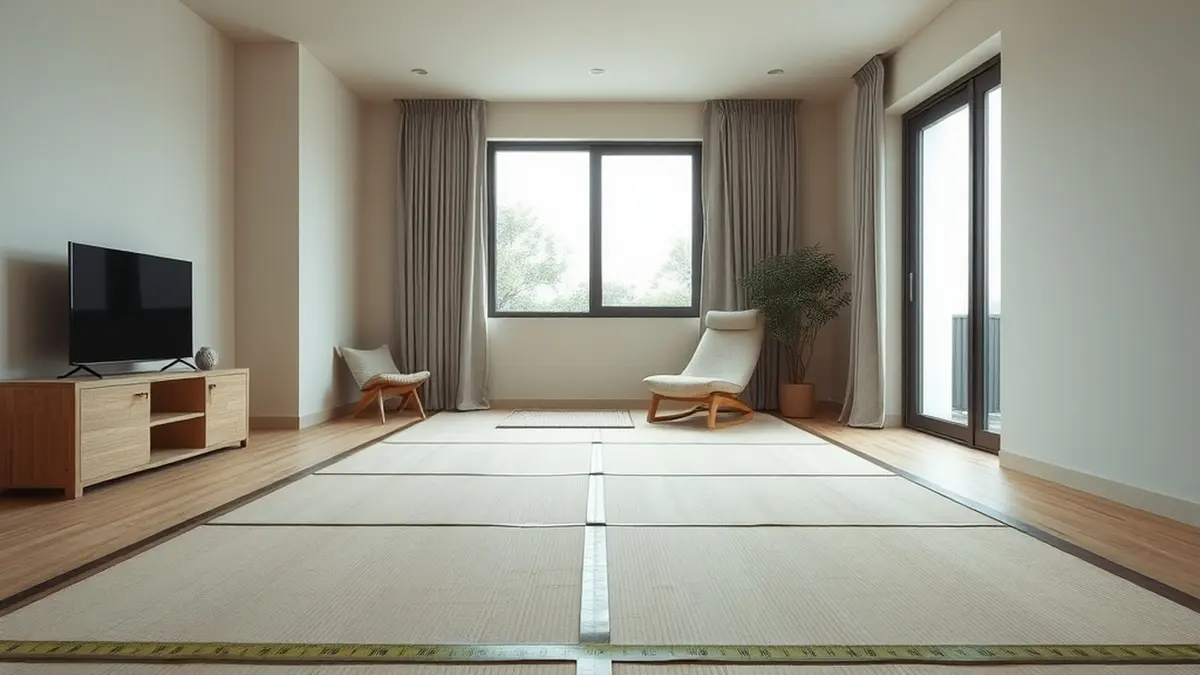
You have tidied the small room twice this month and it still feels cramped. The furniture is not huge and the floor is not full. Yet walking through it feels like squeezing past something.
Small does not have to mean cramped. A traditional Japanese tea room can be as small as four and a half mats, around seven square metres, and still feel generous. The difference is not how much it contains. It is how it is arranged.
Watch the video version

Prefer to watch? The full walkthrough is on our YouTube channel. Subscribe for a new room guide every week.
Why small rooms feel cramped
A room feels cramped when the eye and the body have nowhere to rest. The usual causes are:
- Everything is the same height. Sofa, shelf and cabinet all stop at the same line, so the room feels like a box.
- Too many different things. Ten small objects feel busier than one large one.
- No clear floor. You cannot see where the floor ends and the furniture begins.
- Competing focal points. The TV, a gallery wall and a window all ask for attention.
Six lessons from the tea room
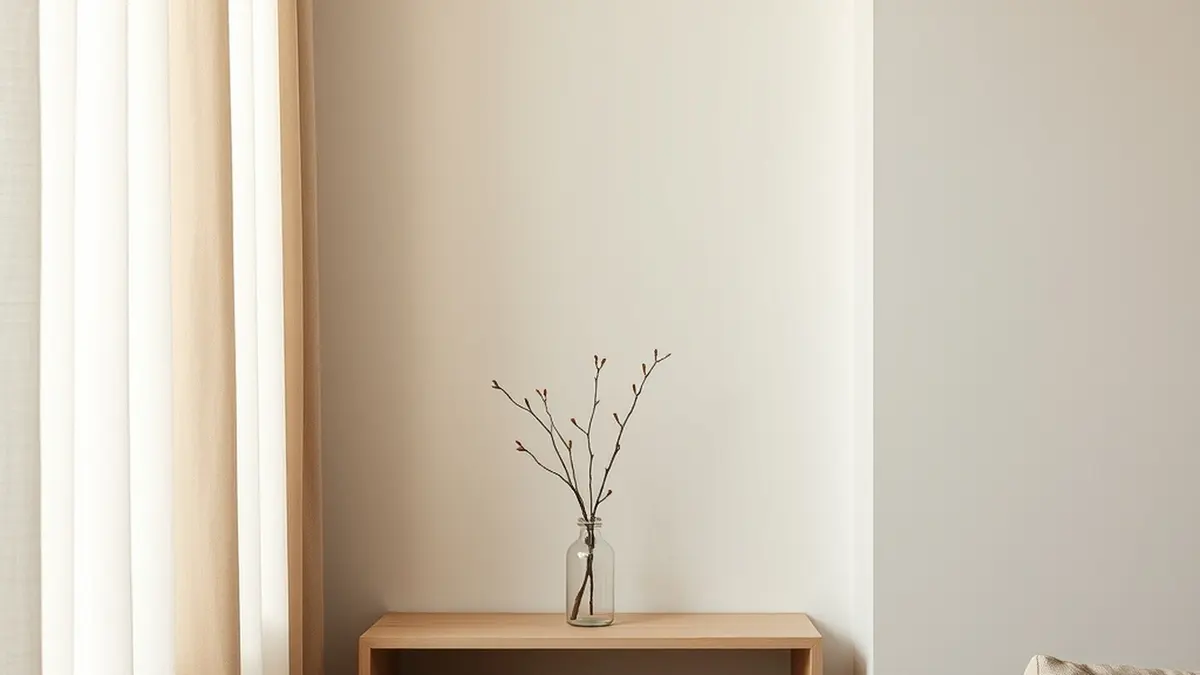
- One focal point. A tea room has one alcove with one object. Choose one wall in your room to be the quiet focus, and leave it nearly empty.
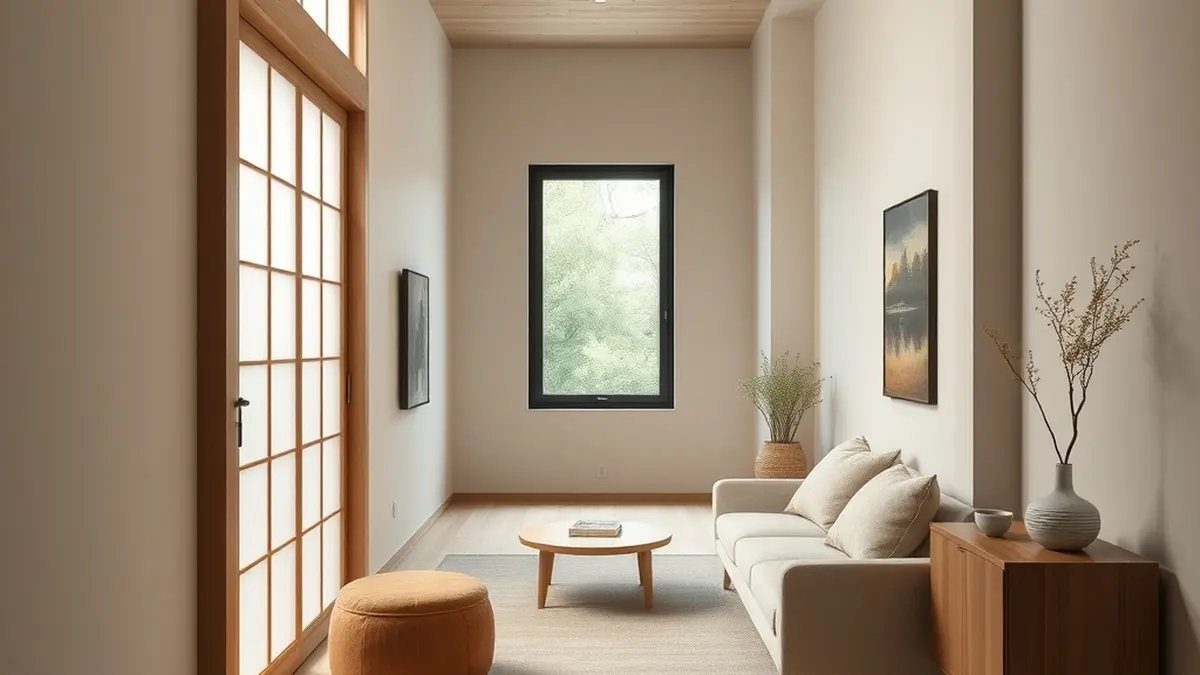
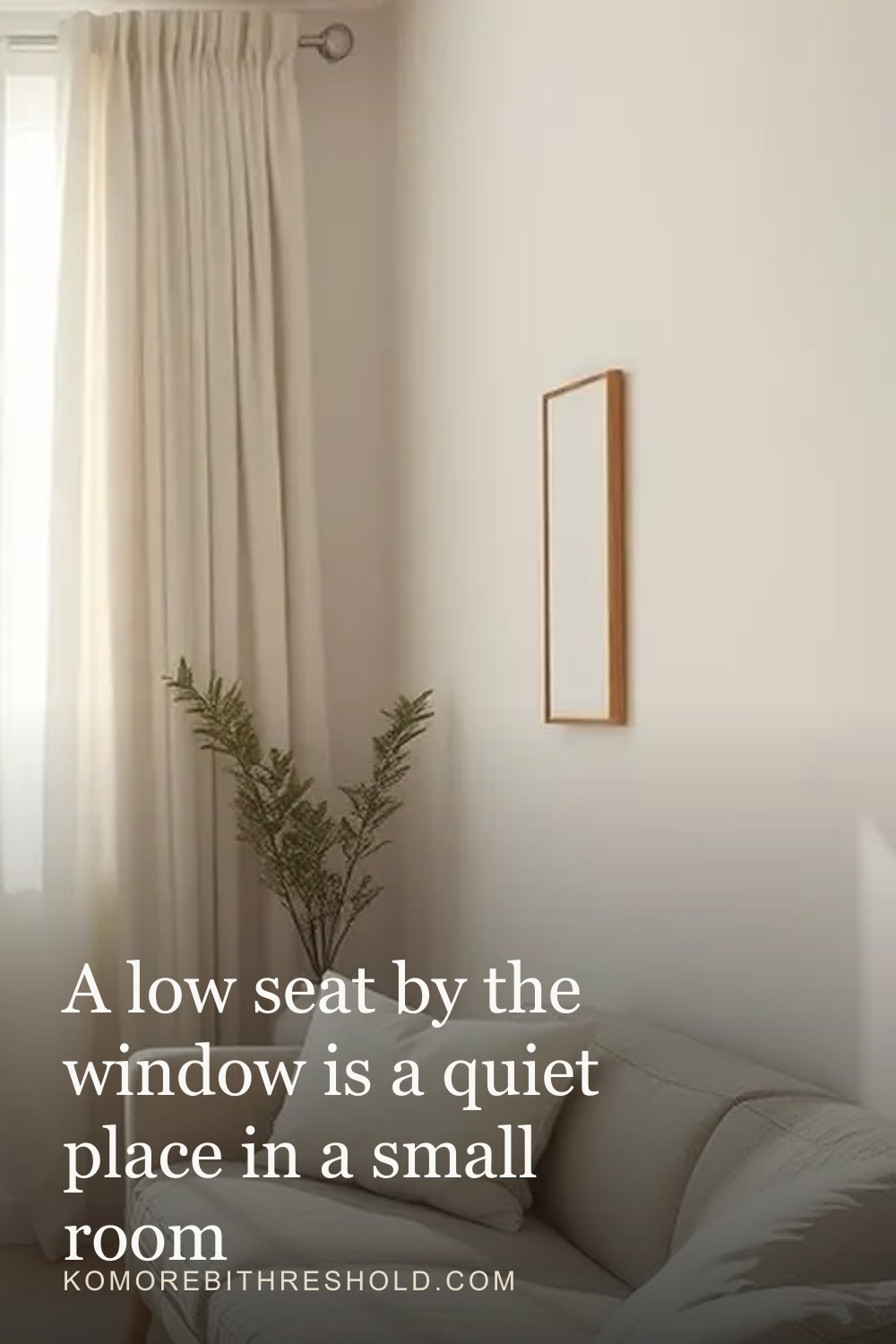
- Keep furniture low. Low furniture leaves air above, so the walls feel taller. If you can, choose a lower sofa or a low table.
- Limit the materials. Wood, plaster, linen. Three honest materials look calmer than ten.
- Show the floor. A visible stretch of floor makes the room feel larger. Keep a clear path, and avoid furniture that blocks the line from door to window.
- Hide what you can. The tea room keeps tools in a closet. Closed storage lets the surfaces stay bare.
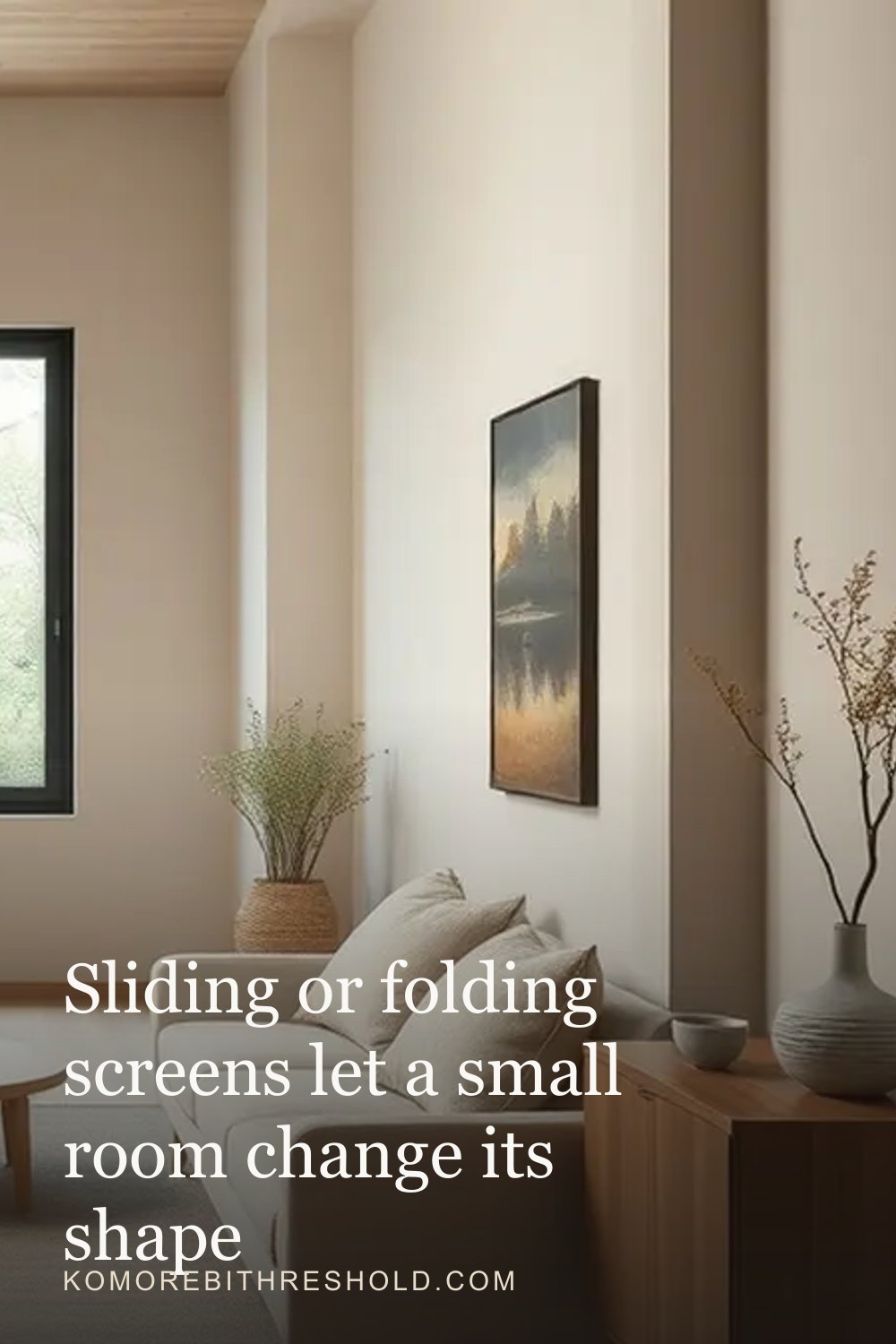
- Let the room change. Sliding screens turned one room into two. In a small flat, a folding screen or a movable table gives the same flexibility.
A 20-minute test
Stand in the doorway and take a photo. Then look at it on your phone and ask:
- Is there one place the eye goes first?
- Can I see the floor all the way to the far wall?
- Is there a stretch of wall with nothing on it?
If the answer to any of these is no, remove one object from the view and take the photo again.
What to do first
- Pick your quiet wall and clear it.
- Move any tall furniture away from the window so light travels across the room.
- Remove half of what is on the surfaces and put it in a box for a month.
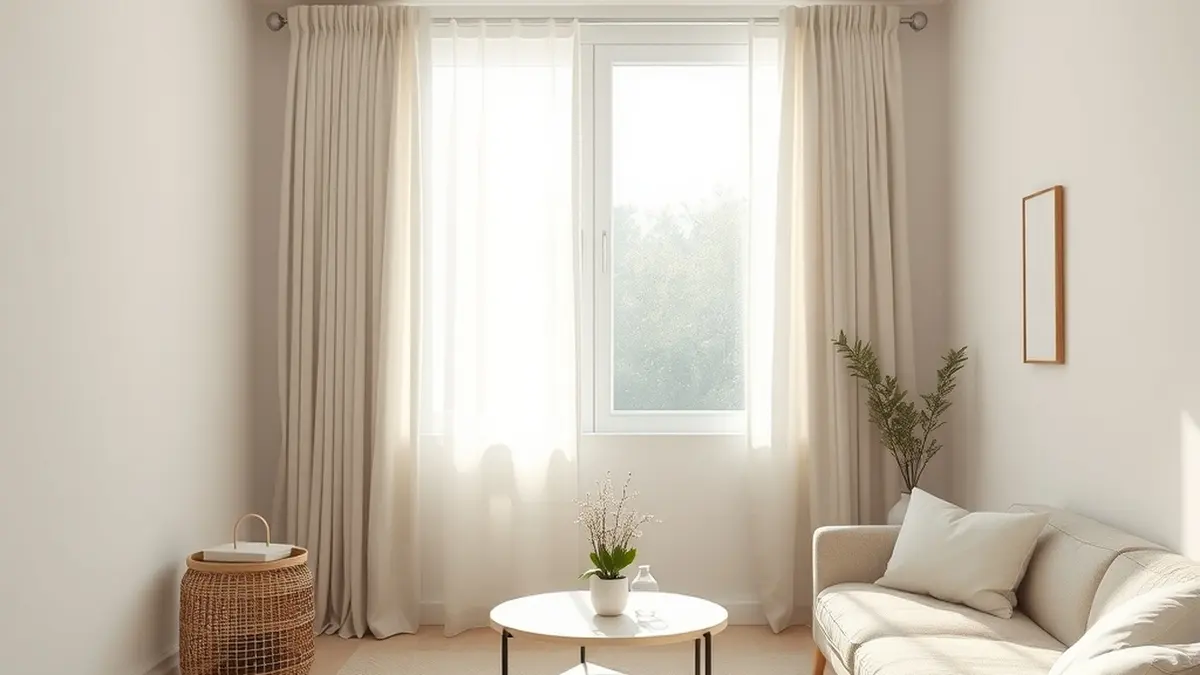
- Add one soft layer, such as a rug or a linen curtain, so the room feels warm rather than bare.
If you rent
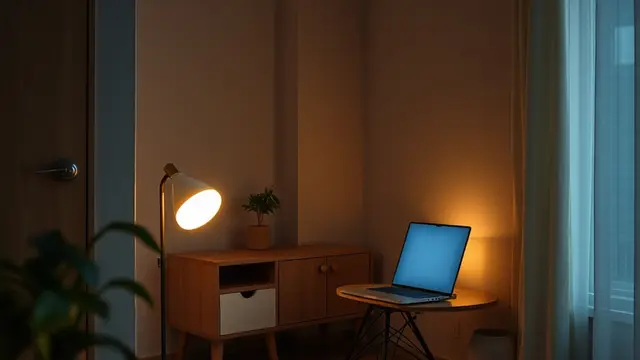
None of this needs drilling. Use a floor lamp for the focal point, a folding screen for a flexible divider and a rug to define the floor. For a studio, our guide to dividing a studio apartment without walls goes further.
If the room feels crowded even when tidy, read why a tidy room still feels crowded.
What to look for
As an Amazon Associate I earn from qualifying purchases. These links open Amazon search results; we may earn a commission at no extra cost to you. You do not need to buy anything to use this guide.
- Folding room dividerA flexible divider for a small flat without drilling.Search on Amazon
- Low coffee tableKeeps furniture lower so the walls feel taller.Search on Amazon
- Linen rugDefines the floor and adds a soft layer.Search on Amazon
- Floor lampMakes a focal point without wall fixings.Search on Amazon
Save these ideas
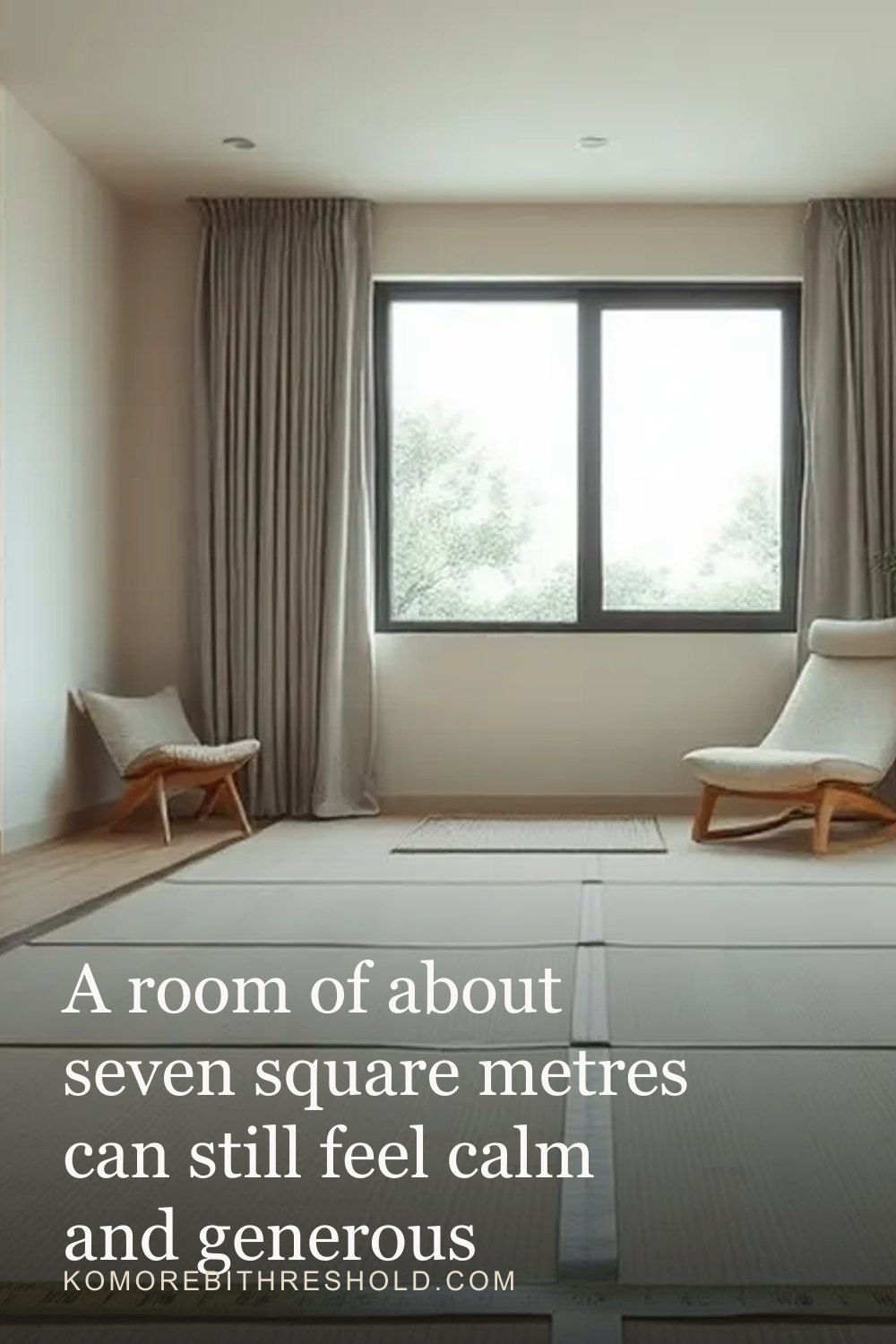
Images in this guide are AI-generated illustrations of the ideas described, not photographs of real homes.