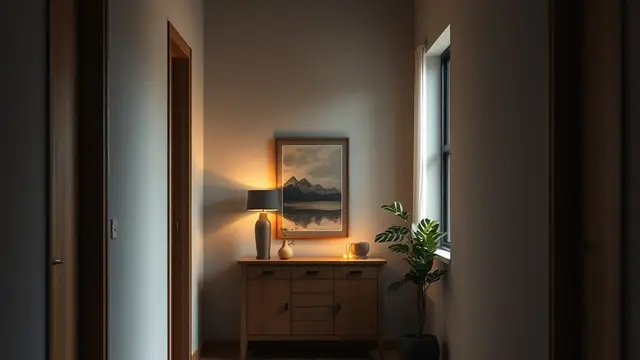
Entryway
Make the Last Ten Metres Before Your Door Feel Calm
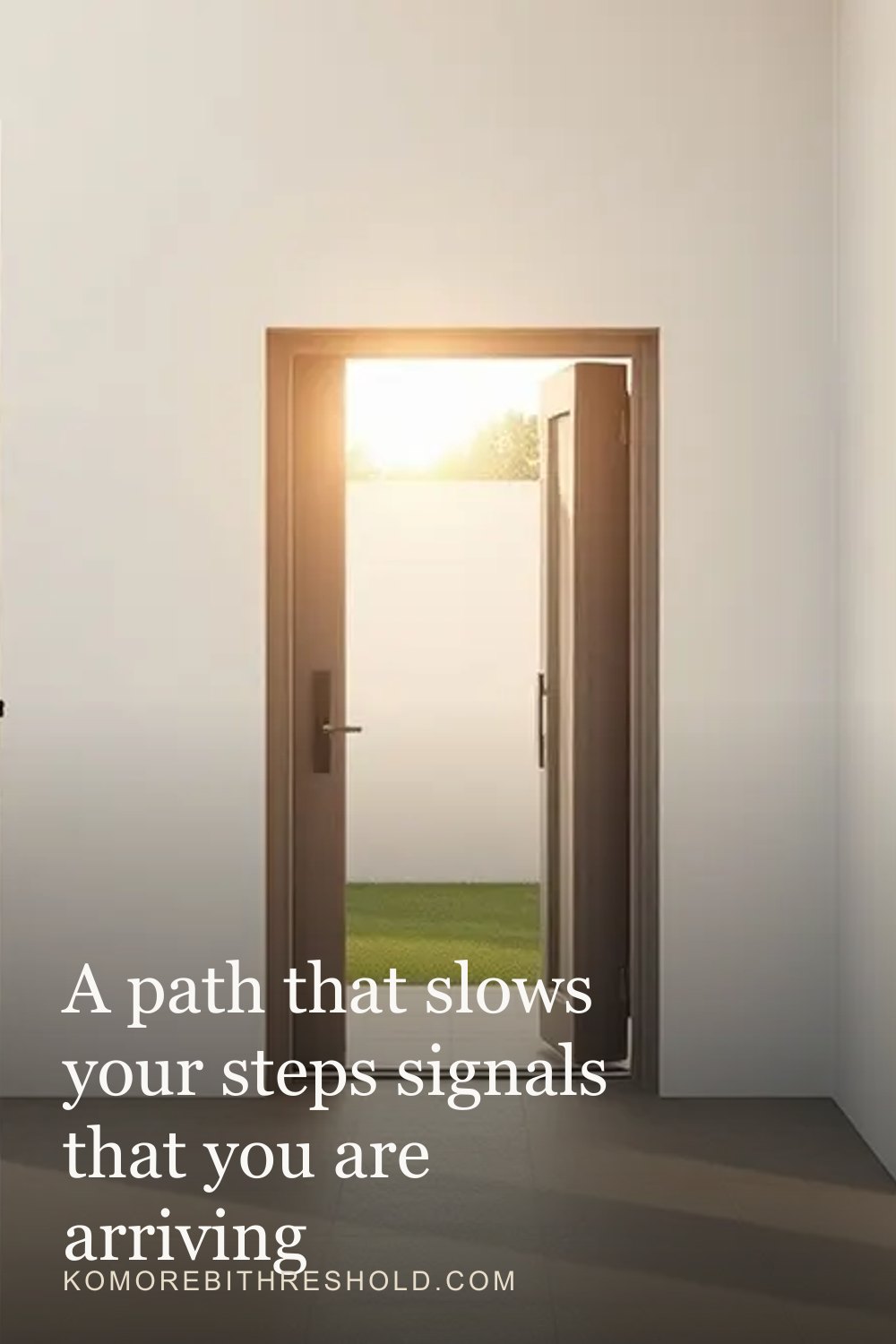
The way you arrive sets the mood of the whole home. Slow the approach with a path, a pause and a soft light so you arrive before you step inside.
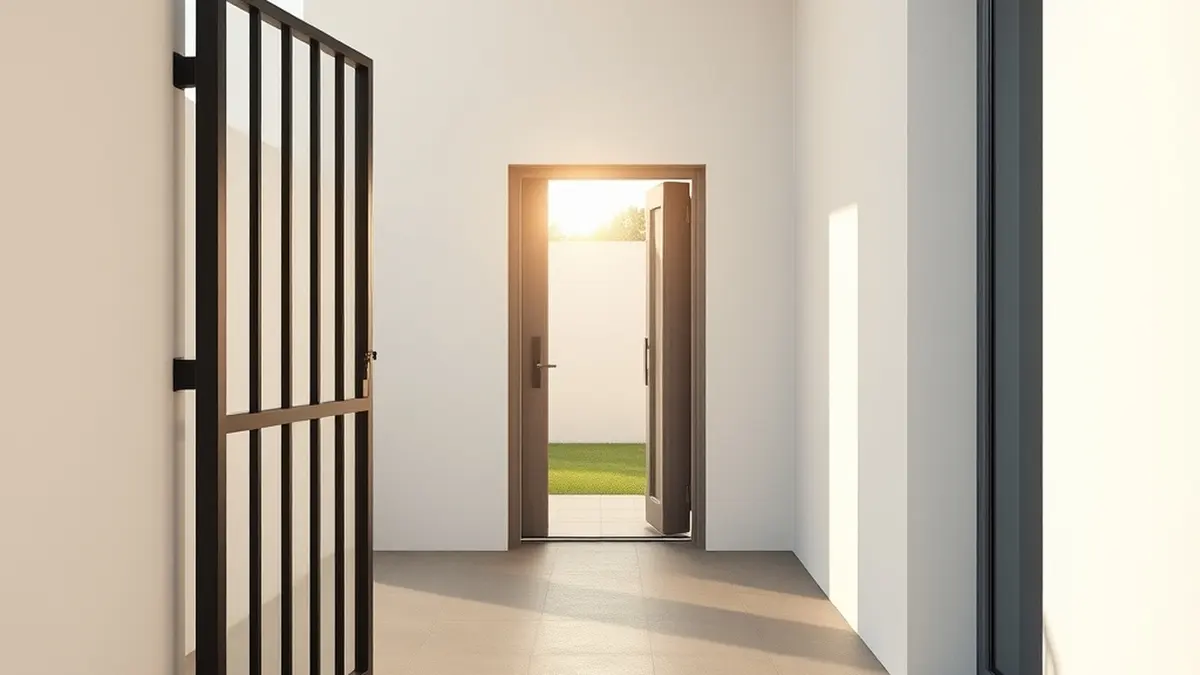
You arrive home tired, juggling keys and bags, and walk straight from the street to the door. The moment you step inside, the day follows you in.
Japanese tea gardens treat the approach as part of the experience. The path to the tea house is short but designed: it slows you, makes you look down, and gives you a moment to put the day behind you. You can use the same idea in the last ten metres to your front door, even if that is a hallway, a building entrance or a short path.
Watch the video version
Prefer to watch? The full walkthrough is on our YouTube channel. Subscribe for a new room guide every week.
Why the approach matters
The mood of a home starts before the door. If the approach is a bare strip, a bin store or a dim corridor, you carry that feeling inside. If it has a pause, a surface underfoot and a light at the end, you arrive differently.
Four ideas
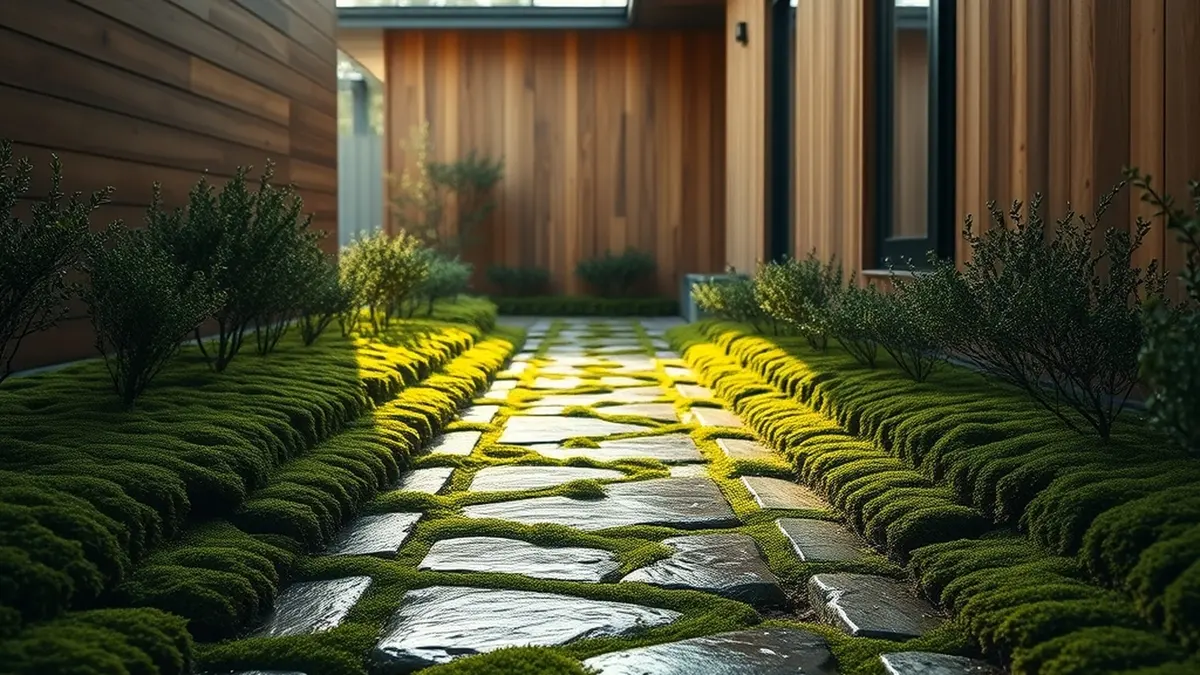
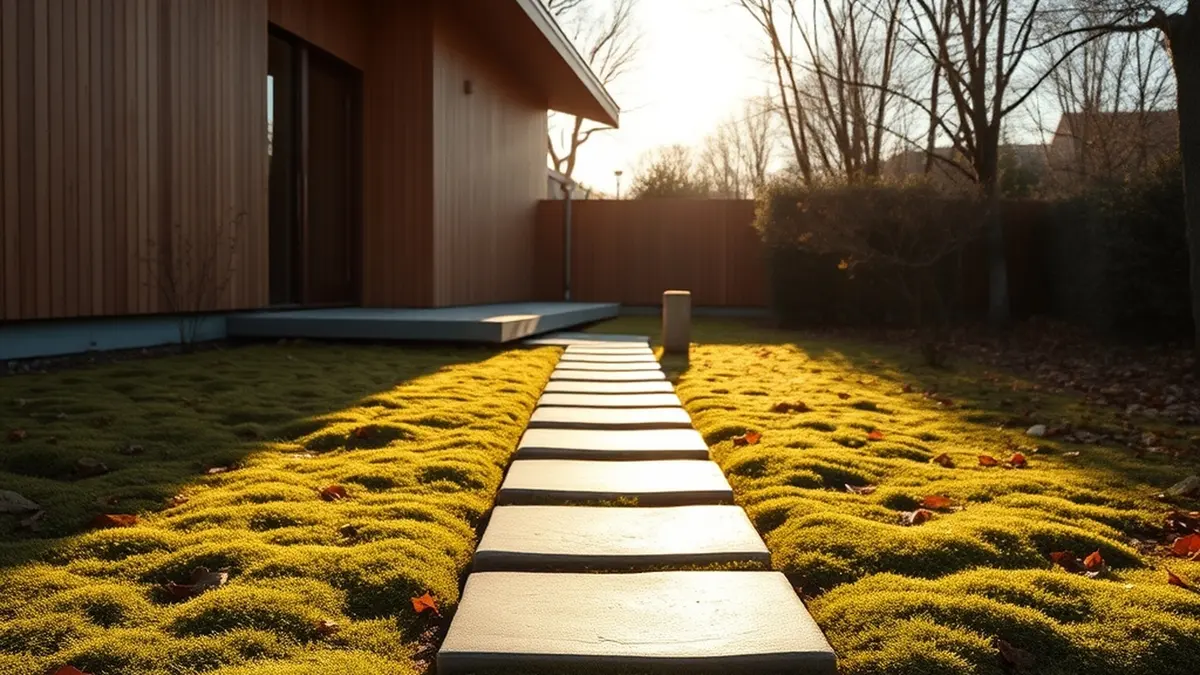
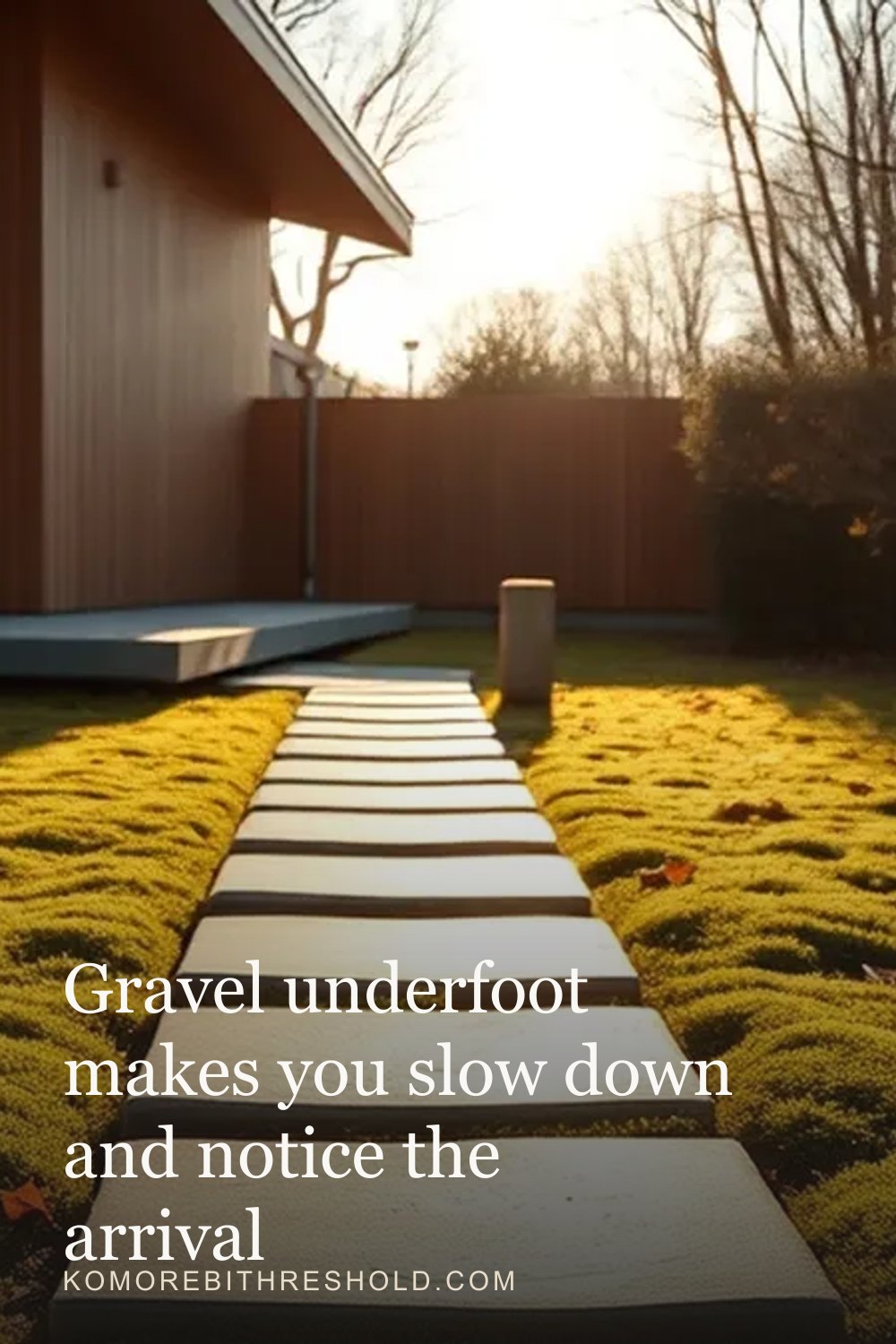
- Slow the walk. Stepping stones or a path with a slight bend make you look where you step. A straight, fast line makes you hurry. In a corridor, a runner or a change in floor material works in the same way.
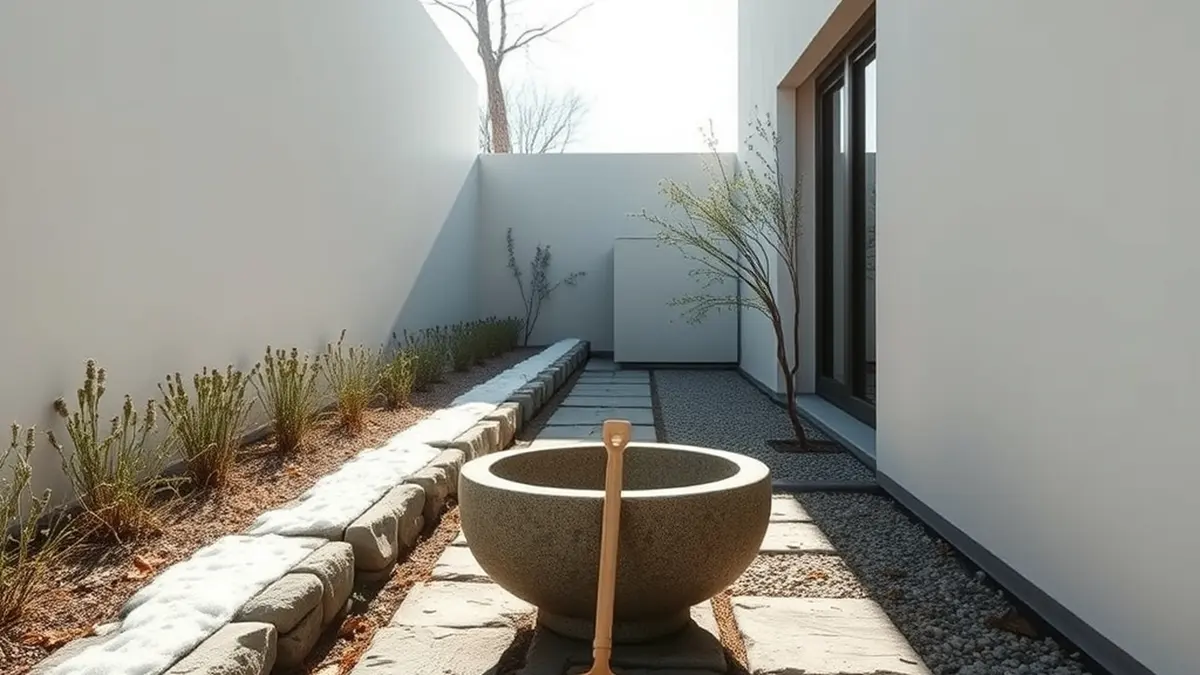
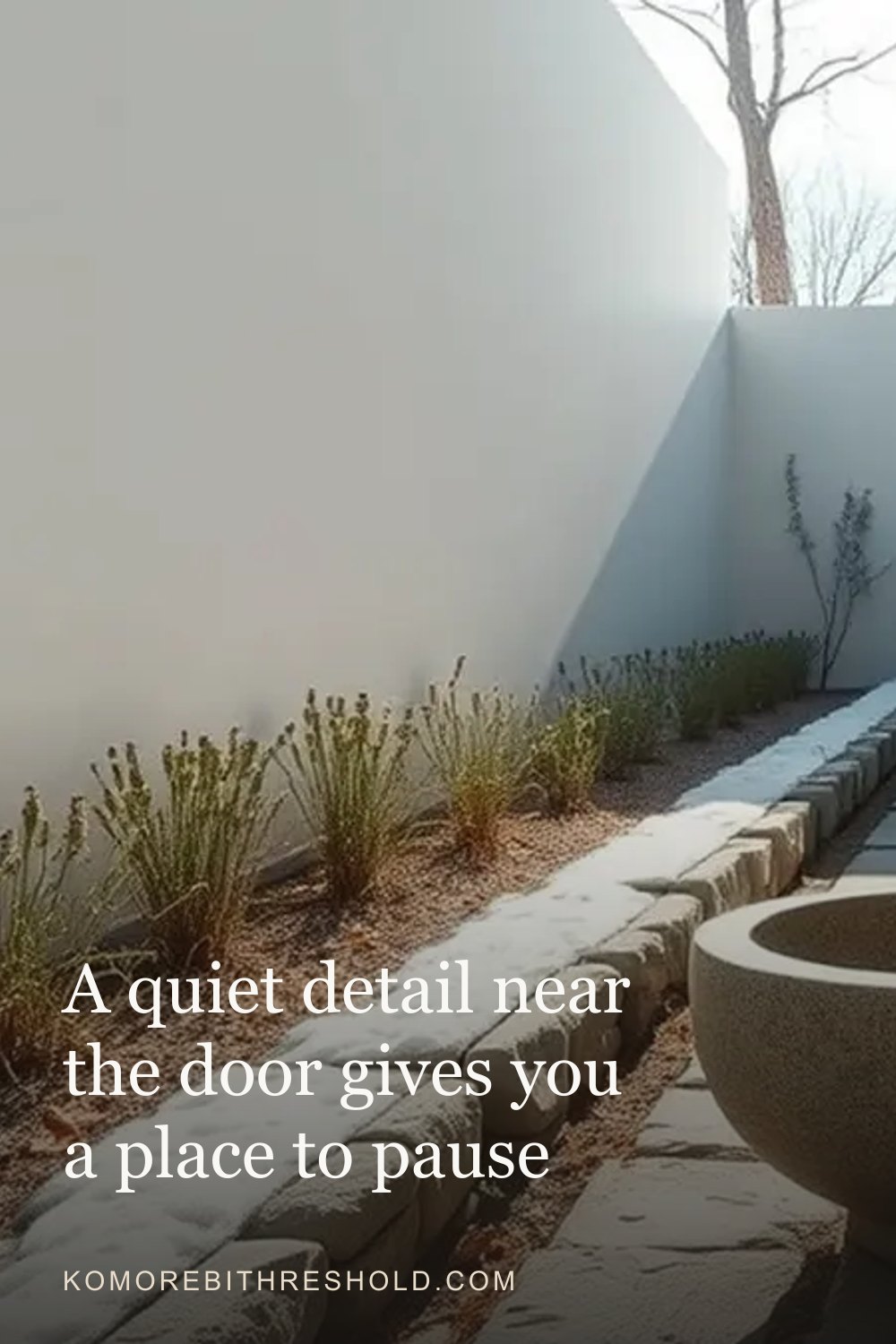
- Create a pause. A bench, a plant, a small stone or a bowl of water near the door gives a place to stop and put the day down. Even a hook for the bag counts.
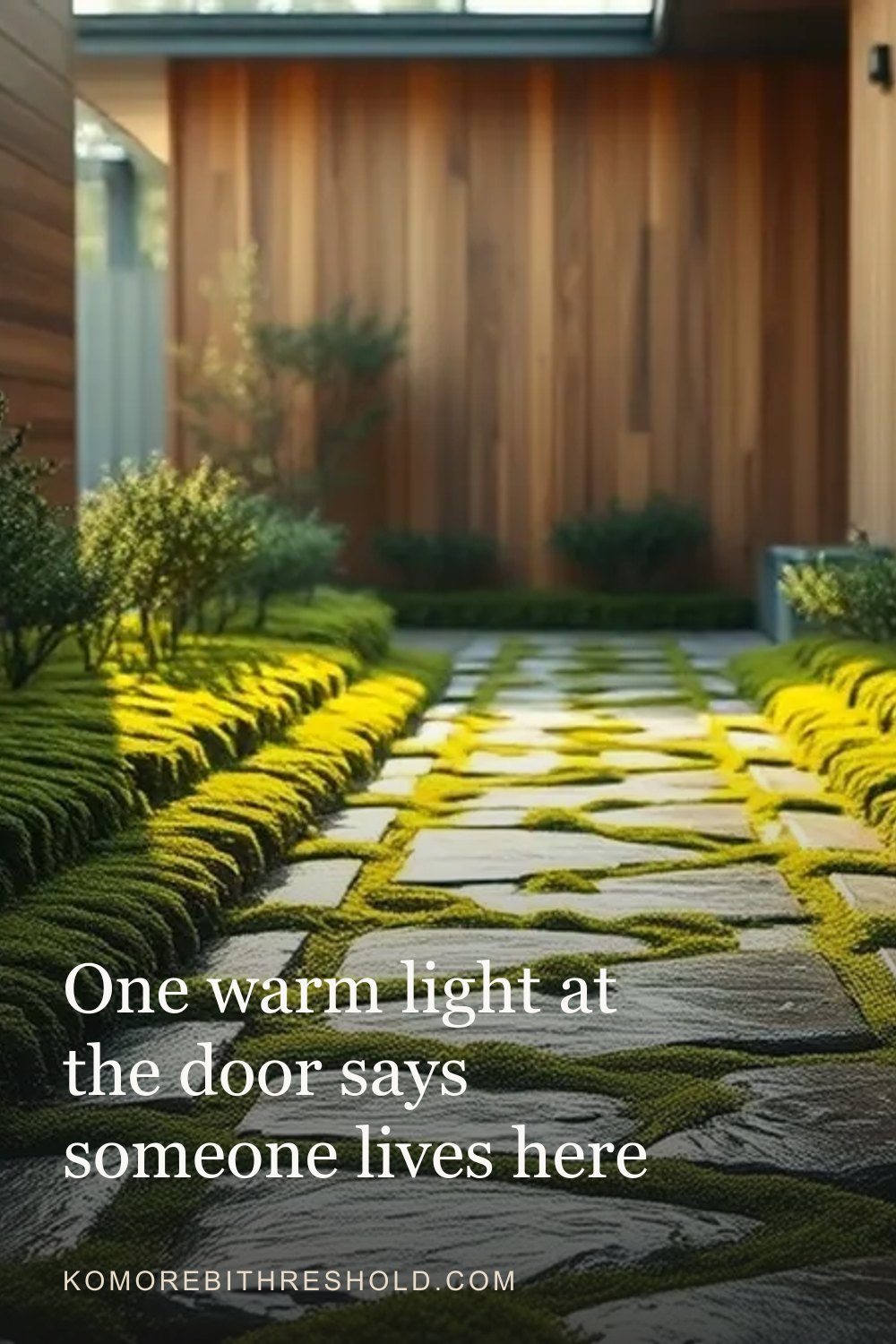
- Light the door softly. One warm light near the door, shielded so it does not glare, makes arriving feel safe and welcoming. Avoid a bright white floodlight.
- Clear the last metre. Shoes, bins, delivery boxes and bikes at the door make you arrive in a storage area. Give them another place, away from the door.
For apartments
You may not control a garden, but you control the door and what is near it:
- A small mat and a plant outside, if building rules allow
- A warm bulb in the hall light
- A narrow shelf or hook inside for keys and a bag
- A visible step or a change of mat inside, to signal "home starts here"
Our guide to a Japandi entryway covers the inside part.
Safety and rules
- Keep paths clear and even. Uneven stones and wet moss can be a slipping hazard.
- Light the way enough to see steps and edges.
- Do not block fire exits, shared corridors or neighbours' doors.
- Check building rules before putting anything outside a flat door.
A small ritual
Stop at the door for a few seconds. Put the phone away, take a breath and enter. The design helps, but the habit does the work.
If your problem is the pile of shoes and bags just inside, read a front door drop zone that actually works.
What to look for
As an Amazon Associate I earn from qualifying purchases. These links open Amazon search results; we may earn a commission at no extra cost to you. You do not need to buy anything to use this guide.
- Outdoor welcome matMarks the threshold and keeps dirt out.Search on Amazon
- Warm outdoor wall lightA soft light at the door without glare.Search on Amazon
- Stepping stonesA path that slows your walk.Search on Amazon
- Shoe rack for entryGives shoes a place near the door but away from the path.Search on Amazon
Save these ideas
Images in this guide are AI-generated illustrations of the ideas described, not photographs of real homes.