Living Room
Why Your Houseplants Keep Dying (and Why Fewer Plants Works Better)
Plants fail when they are bought for looks and placed wherever there is a free shelf. Map your light, keep only what it can feed, and give each plant one fixed place.
You keep buying houseplants, and by spring half of them are brown, bare or leaning hard toward the window. So you buy more: a bigger pot, a plant stand, a spray bottle. The shelf fills with green and half of it still struggles.
The plants are not cursed. Each one was bought for how it looks, not for the light and the spot where it now stands.
A noon test
At noon, stand at each plant and hold up your hand. Does it make a sharp shadow, a soft one or none? Remember those shadows. They are your light map.
Why one plant gets looked after
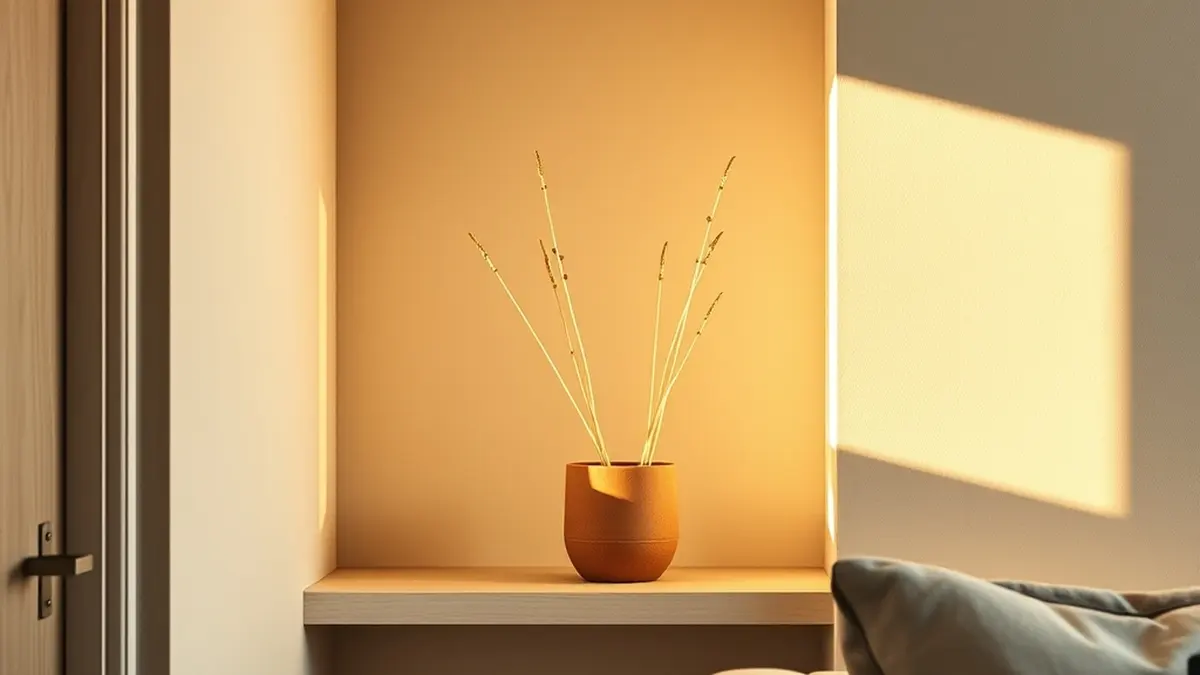
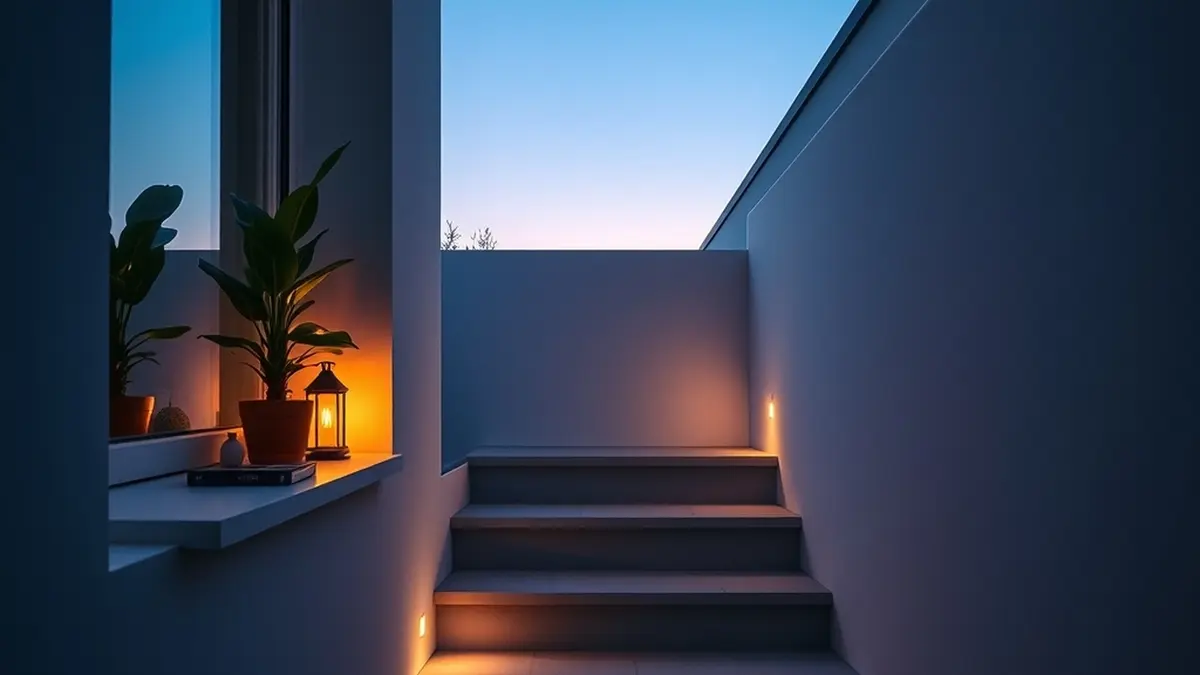
The alcove holds a single branch or a single plant, in the place where light falls, and the room around it is left bare. You water it on time, turn it and see the first yellow leaf, because nothing else competes. Ten plants share your attention equally badly. One plant gets all of it.
Light before looks
A plant two steps back from the window gets far less light than one on the sill. Match the plant to the window, not the room: a bright sill suits a sun lover, and a dim corner suits a shade lover.
The four-step reset (one afternoon)
- Check the roots. Put every plant on one table on a cloth and slide each out of its pot. White roots are healthy. Soggy brown ones are not, and be honest about them.
- Sort into keep, move and let go. Start with the one you feel guilty about. It sets the standard.
- Repot only the keepers. Use fresh soil and a pot with drainage holes, only slightly bigger than the old one.
- Give each keeper one fixed place. Mark the spot with a coaster and write the watering day on a small tag in the pot.
Habits that matter more than a schedule
- Check the top of the soil with a finger and water when it is dry, not because it is Sunday.
- Tip out the saucer ten minutes after watering. Water left standing can rot the roots.
- Turn each pot a quarter turn once a week so stems do not all lean one way.
- Wipe large leaves with a damp cloth once a month so the plant uses the light better.
- Moving a plant often makes it sulk. Staying put matters more than the perfect position on paper.
When the light is poor
North-facing room: choose shade-tolerant plants, keep them close to the glass and wipe the leaves. Small flat: one tall plant at the main window does more than six small ones scattered about. A bathroom with no window is not a good home, because steam does not replace light. With pets, check each plant's label before it comes in.
The buying habit that undoes all of this is the impulse plant. Hold every new plant to one rule: name its spot before you pay.
For another room where one object does the work, see why your living room feels busy.
What to look for
As an Amazon Associate I earn from qualifying purchases. These links open Amazon search results; we may earn a commission at no extra cost to you. You do not need to buy anything to use this guide.
- Pots with drainageLets extra water leave the roots.Search on Amazon
- Moisture meterTakes the guessing out of watering day.Search on Amazon
- Indoor grow lightFor a dim corner or a north window.Search on Amazon
- Plant saucersCatches water so you can tip it out.Search on Amazon
- Plant mister and clothDust-free leaves use the light better.Search on Amazon
Save these ideas

Images in this guide are AI-generated illustrations of the ideas described, not photographs of real homes.